Digital Storytelling Platforms 2026: Share Your Narrative Globally
Digital Storytelling Platforms 2026: Share Your Narrative with a Global Audience
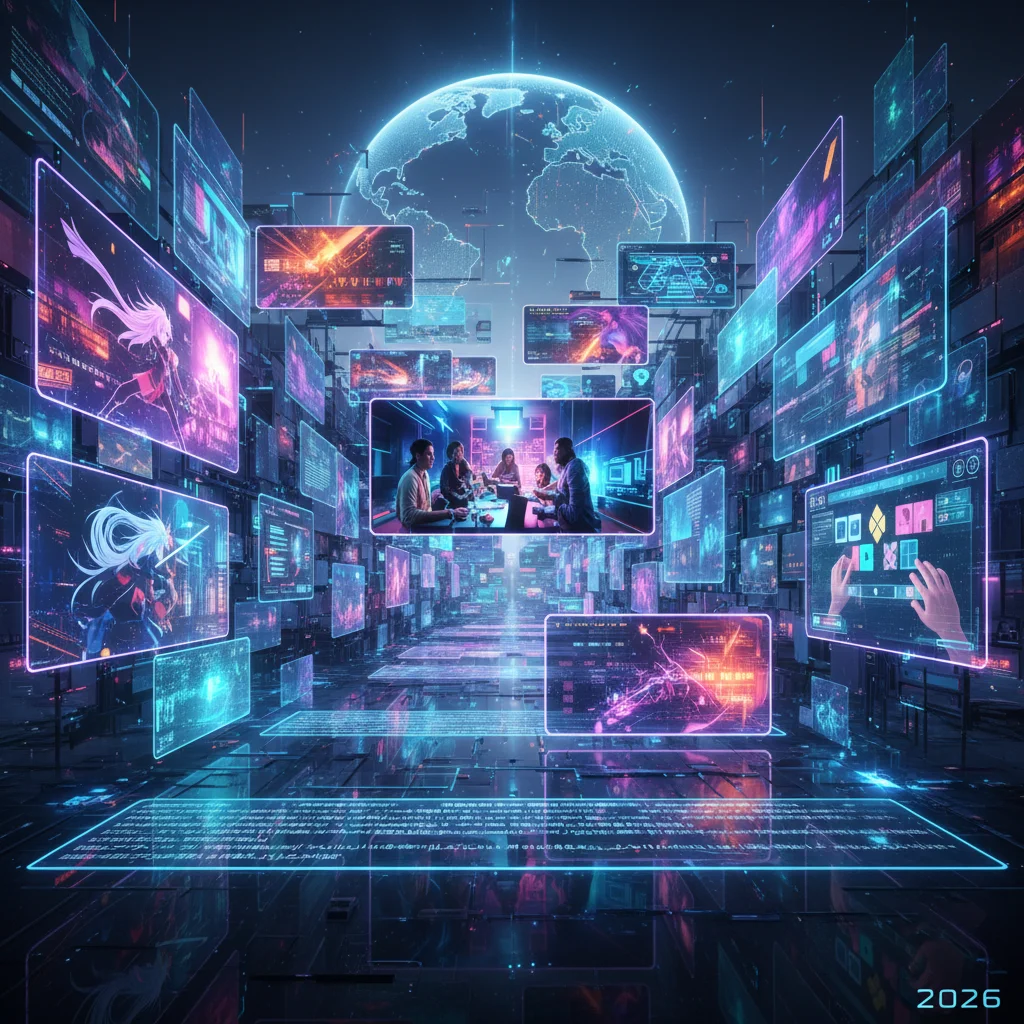
In an increasingly interconnected world, the power of narrative remains paramount. However, the mediums and methods through which we share these narratives are constantly evolving. As we look towards 2026, the landscape of digital storytelling platforms is more dynamic and sophisticated than ever before. Gone are the days when a simple blog post or a static image sufficed. Today, audiences demand immersive, interactive, and personalized experiences that transcend traditional boundaries. This comprehensive guide will delve into the cutting-edge digital storytelling platforms that are shaping the future of content creation and consumption, offering unparalleled opportunities to connect with a global audience.
The essence of digital storytelling lies in its ability to blend various media – text, images, audio, video, and interactive elements – to craft compelling narratives that resonate deeply with viewers. These platforms empower creators, from individual artists to multinational corporations, to transcend geographical limitations and share their stories with billions. Understanding which platforms are best suited for your specific narrative and audience is crucial for maximizing impact and achieving your communication goals. We’ll explore the features that make these platforms stand out, the types of stories they best support, and how you can leverage them to build a thriving community around your content.
The Evolution of Digital Narrative: What Defines 2026?
The journey of digital storytelling has been one of continuous innovation. From early web pages to the rise of social media, each era has introduced new possibilities. In 2026, several key trends define the forefront of digital storytelling platforms:
- Hyper-Personalization: AI-driven algorithms allow platforms to tailor content delivery and even narrative paths based on individual user preferences and behaviors, creating a uniquely engaging experience.
- Immersive Experiences: Augmented Reality (AR), Virtual Reality (VR), and mixed reality (MR) are no longer niche technologies. They are becoming integrated into mainstream platforms, offering truly immersive storytelling environments.
- Interactivity and Co-creation: Audiences are no longer passive consumers. Modern platforms facilitate active participation, allowing users to influence plotlines, contribute content, and engage in real-time discussions.
- Transmedia Storytelling: Narratives are designed to unfold across multiple platforms and formats, with each medium offering a unique piece of the story, encouraging deeper engagement and exploration.
- Ethical AI and Data Privacy: As AI becomes more prevalent, platforms are increasingly focusing on transparent AI usage and robust data privacy measures, building trust with users.
- Accessibility by Design: Inclusivity is a driving force, with platforms prioritizing features that make stories accessible to individuals with diverse abilities.
These trends highlight a shift towards more dynamic, user-centric, and technologically advanced storytelling. Creators who embrace these developments will be at the forefront of captivating global audiences.
Key Features to Look for in Digital Storytelling Platforms
When evaluating digital storytelling platforms, it’s essential to consider a range of features that contribute to a successful narrative experience. Not all platforms are created equal, and the ‘best’ one often depends on your specific goals and the nature of your story. Here are some critical features to prioritize:
Robust Content Management System (CMS)
A powerful CMS is the backbone of any effective storytelling platform. It should allow for easy uploading, organization, and editing of various media types. Look for features like drag-and-drop interfaces, version control, and collaborative editing capabilities. A well-designed CMS streamlines the creative process, allowing storytellers to focus more on content and less on technical hurdles.
Multi-format Support
The best digital storytelling platforms support a wide array of content formats, including high-resolution images, 4K video, interactive infographics, audio clips, 3D models, and even AR/VR assets. This versatility is crucial for crafting rich, multi-layered narratives that appeal to different sensory preferences and engagement styles. The ability to seamlessly integrate these formats without extensive technical knowledge is a significant advantage.
Interactive Elements and Branching Narratives
Engagement is key in digital storytelling. Platforms that offer tools for creating interactive elements – quizzes, polls, clickable hotspots, user-driven choices, and branching narratives – significantly enhance the user experience. These features transform passive viewing into active participation, allowing audiences to shape their journey through the story. This level of interactivity fosters deeper connection and memorability.
Analytics and Audience Insights
Understanding how your audience interacts with your story is vital for refinement and future strategy. Top digital storytelling platforms provide detailed analytics on engagement rates, user paths, completion rates, and demographic data. These insights enable creators to identify what resonates, what needs improvement, and how to optimize their narratives for maximum impact. Data-driven storytelling is a powerful differentiator.
Seamless Cross-Platform Compatibility
In 2026, audiences consume content across a myriad of devices – smartphones, tablets, desktops, smart TVs, and even wearable tech. A leading platform must ensure your story is responsive and renders perfectly across all these devices, providing a consistent and high-quality experience regardless of the screen size or operating system. Mobile-first design is no longer an option; it’s a necessity.
Community Building and Social Integration
Stories thrive on connection. Platforms that facilitate community building through comments, forums, direct messaging, and easy social media sharing amplify a story’s reach and impact. The ability for users to discuss, share, and even contribute to the narrative fosters a loyal and engaged audience. Integration with popular social media channels is crucial for discoverability and virality.
Monetization Options
For many creators, storytelling is also a livelihood. The ability to monetize content through subscriptions, pay-per-view, advertising, or e-commerce integrations is a significant consideration. Platforms offering flexible monetization models empower creators to sustain their work and invest in higher-quality productions.
Top 4 Digital Storytelling Platforms to Watch in 2026
While the market is saturated with various tools, a few platforms are truly setting the standard for digital storytelling platforms in 2026. These platforms combine innovative technology with user-friendly interfaces, offering creators powerful tools to bring their visions to life and connect with a global audience.
1. Immersive Narratives Pro (INP)
Overview: Immersive Narratives Pro is rapidly becoming the go-to platform for creators looking to leverage AR, VR, and MR in their storytelling. It offers a sophisticated suite of tools for building highly interactive and sensory-rich experiences that blur the lines between reality and fiction. INP is particularly favored by educators, experiential marketers, and artists pushing the boundaries of narrative form.
Key Features:
- Advanced AR/VR Authoring Tools: Drag-and-drop interface for creating complex augmented and virtual reality scenes without extensive coding.
- Spatial Audio Integration: Tools for designing 3D audio landscapes that enhance immersion.
- Haptic Feedback Customization: Allows creators to integrate tactile sensations into their stories for a truly multi-sensory experience.
- Audience Interaction Heatmaps: Detailed analytics showing where users focus their attention and interact within immersive environments.
- Asset Library: A vast library of 3D models, textures, and environmental assets to jumpstart creation.
- Multi-device Deployment: Stories can be deployed across various AR/VR headsets, smartphones, and even web browsers.
Best for: Experiential marketing, educational simulations, interactive art installations, gaming narratives, and deep investigative journalism that benefits from contextual immersion. If your story benefits from placing your audience directly within the narrative, INP is unparalleled among digital storytelling platforms.
Why it stands out: INP’s commitment to making cutting-edge immersive technology accessible to a broader range of creators sets it apart. Its intuitive interface belies the complexity of the experiences it can produce, democratizing AR/VR storytelling.

2. StoryWeaver Hub
Overview: StoryWeaver Hub is a robust platform designed for transmedia storytelling, allowing creators to seamlessly weave narratives across multiple formats and channels. It emphasizes long-form, complex narratives that benefit from unfolding in different ways across different platforms, engaging audiences in a prolonged and multifaceted experience. It’s particularly popular with independent filmmakers, authors, and brands seeking to build expansive narrative universes.
Key Features:
- Integrated Narrative Planner: Tools to map out story arcs, character development, and plot points across various media.
- Cross-Platform Publishing: One-click publishing to blogs, social media, interactive web experiences, and even podcast platforms.
- Dynamic Content Linking: Allows creators to link related content across different platforms, encouraging audience exploration.
- Audience Journey Tracking: Analytics that track how users move between different story components and platforms.
- Collaborative Workspaces: Facilitates team collaboration on complex projects, enabling multiple creators to contribute to different parts of the narrative simultaneously.
- Monetization Flexibility: Supports various models including subscriptions for exclusive content, integrated merchandise stores, and crowdfunding options.
Best for: Multi-part documentaries, serialized fiction, brand narrative universes, educational series, and interactive journalistic investigations. StoryWeaver Hub excels when your narrative is too rich for a single medium and requires a holistic, interconnected approach across various digital storytelling platforms.
Why it stands out: Its comprehensive planning and tracking tools for transmedia projects are unmatched. StoryWeaver Hub understands that a truly global narrative often requires a multi-platform strategy, and it provides the infrastructure to manage that complexity effectively.
3. EchoVerse
Overview: EchoVerse focuses on interactive audio storytelling, blending traditional podcasting with choose-your-own-adventure mechanics and spatial audio. It’s a revolutionary platform for creators who understand the power of sound to evoke emotion, build atmosphere, and drive narrative. EchoVerse is gaining traction among audio drama producers, educators, and mindfulness content creators.
Key Features:
- Intuitive Audio Editor: Professional-grade audio editing tools integrated directly into the platform, with support for multitrack recording and sound effects libraries.
- Branching Audio Paths: Tools for creating interactive audio experiences where listener choices dictate the story’s progression.
- Dynamic Soundscapes: Allows for adaptive background audio that changes based on listener choices or story events.
- Voice Recognition Integration: Future updates promise voice-activated commands and narrative responses, making it one of the most innovative digital storytelling platforms in the audio space.
- Listener Engagement Metrics: Provides data on listener choice patterns, completion rates for different narrative branches, and overall engagement duration.
- Accessibility Features: Includes robust transcription services and customizable playback speeds.
Best for: Audio dramas, interactive podcasts, immersive language learning programs, guided meditations with personalized paths, and educational content where auditory learning is paramount. EchoVerse demonstrates the untapped potential of audio as a primary storytelling medium, offering a unique niche among digital storytelling platforms.
Why it stands out: Its specialization in interactive audio, combined with advanced production tools, makes it a unique player. EchoVerse is proving that compelling narratives don’t always need visuals to be deeply engaging and innovative.
4. Horizon Canvas
Overview: Horizon Canvas is a community-driven, open-source platform that prioritizes user collaboration and co-creation. It’s built on a modular architecture, allowing creators to integrate various tools and APIs to customize their storytelling experience. Horizon Canvas is ideal for collaborative projects, fan fiction universes, and educational initiatives where peer-to-peer learning and content contribution are encouraged.
Key Features:
- Modular Architecture: Users can add plugins and integrations for specific functionalities (e.g., 3D model viewers, code editors, external video hosting).
- Advanced Collaborative Editing: Real-time, multi-user editing for text, visual storyboards, and even interactive elements.
- Version Control and Attribution: Robust systems to track changes and properly attribute contributions from multiple creators.
- Community Forums and Project Management Tools: Built-in features to facilitate discussion, task assignment, and project coordination.
- Open API: Allows developers to create custom tools and integrations, fostering a vibrant ecosystem.
- Decentralized Content Hosting Options: Offers flexibility in how content is stored and distributed, appealing to those concerned with data sovereignty.
Best for: Collaborative writing projects, open-source documentaries, educational platforms requiring student contributions, community-driven world-building, and projects where transparency and shared ownership are key. Horizon Canvas represents a democratic approach to digital storytelling platforms.
Why it stands out: Its open-source nature and strong emphasis on community collaboration make it a powerful tool for shared storytelling and emergent narratives, fostering a different kind of creative ecosystem.

The Strategic Imperative: Choosing the Right Platform for Your Narrative
Selecting the ideal platform among the myriad of digital storytelling platforms is not merely a technical decision; it’s a strategic one. Your choice will profoundly impact your story’s reach, engagement, and overall success. Consider the following factors:
Understand Your Audience
Who are you trying to reach? What devices do they use? What are their content consumption habits? Are they looking for quick, snackable content, or do they prefer deep, immersive experiences? Platforms like INP might cater to a tech-savvy audience eager for VR, while StoryWeaver Hub could appeal to those who enjoy complex narratives across various media. Tailoring your platform choice to your audience’s preferences is paramount for effective engagement.
Define Your Narrative Goals
What do you want your story to achieve? Is it to educate, entertain, persuade, or inspire action? If your goal is to create a deeply personal and interactive experience, EchoVerse’s audio-first approach might be ideal. If you’re building a multi-season saga, StoryWeaver Hub’s transmedia capabilities would be more suitable. Clarity in your goals will guide you to the appropriate digital storytelling platforms.
Assess Your Resources and Skills
Do you have the technical expertise to create AR/VR content, or are you more comfortable with traditional video and text? What’s your budget for production and platform fees? Some platforms offer more robust features but come with a steeper learning curve or higher costs. Horizon Canvas, with its open-source nature, might be budget-friendly but requires more technical savvy for customization. Be realistic about your team’s capabilities and available resources.
Consider Future Scalability
Will your story evolve? Do you plan to expand it into different formats or languages? Choose a platform that can grow with your narrative. The best digital storytelling platforms offer flexibility and scalability, allowing you to adapt and expand your content without having to migrate to an entirely new system.
Embrace Analytics and Iteration
No matter which platform you choose, leverage its analytics tools. Understand what’s working and what isn’t. Be prepared to iterate and refine your storytelling approach based on audience feedback and data. The digital realm offers unprecedented opportunities for real-time adjustments, and successful storytellers are those who continuously adapt.
The Future of Digital Storytelling: Beyond 2026
Looking beyond 2026, the trajectory of digital storytelling platforms points towards even greater integration of artificial intelligence, hyper-personalization, and new sensory experiences. We can anticipate:
- Generative AI in Story Creation: AI tools will assist not just in content generation (text, images, video) but also in crafting narrative structures, character development, and even interactive dialogue options, helping creators overcome creative blocks and accelerate production.
- Brain-Computer Interface (BCI) Integration: While still nascent, BCIs could offer entirely new ways to interact with stories, allowing users to influence narratives with their thoughts or emotional states.
- Enhanced Haptic and Olfactory Feedback: Beyond current haptic technology, future platforms may integrate more sophisticated tactile sensations and even scent delivery systems to create truly immersive, multi-sensory narratives.
- Decentralized Storytelling & Web3: Blockchain technology and Web3 principles could enable new models of content ownership, monetization, and collaborative storytelling, empowering creators and audiences in novel ways.
- Global Accessibility Standards: As storytelling becomes more global, platforms will continue to invest in advanced translation, localization, and accessibility features to ensure narratives can be enjoyed by everyone, everywhere.
These advancements promise to transform how stories are conceived, created, and consumed, pushing the boundaries of human imagination and technological capability. The role of digital storytelling platforms will be to facilitate these innovations, making them accessible to a broad spectrum of creators.
Conclusion: Your Narrative Awaits its Global Stage
The year 2026 presents an exciting frontier for digital storytelling platforms. With technological advancements pushing the boundaries of what’s possible, creators have an unprecedented opportunity to craft compelling narratives that resonate with a global audience. Whether you’re an independent artist, a multinational brand, or an educator, there’s a platform tailored to your needs and ambitions.
By understanding the key features, evaluating your specific goals, and strategically choosing the right platform, you can ensure your story not only reaches but deeply connects with viewers worldwide. The future of storytelling is interactive, immersive, and interconnected. Embrace these evolving tools and trends, and prepare to share your unique narrative on the global stage. The audience is waiting.