MicroLED Mobile Displays 2026: Forecast & Consumer Benefits in the US
The landscape of mobile technology is perpetually evolving, pushing the boundaries of what consumers expect from their handheld devices. In this relentless pursuit of innovation, display technology stands as a cornerstone, directly influencing user experience. For years, OLED (Organic Light Emitting Diode) displays have reigned supreme, celebrated for their vibrant colors and deep blacks. However, a new contender is rapidly emerging from the shadows, promising to redefine visual excellence on a smaller scale: MicroLED technology. As we peer into the near future, specifically towards 2026, the question isn’t if MicroLED will arrive on mobile devices, but rather how widespread its adoption will be and what tangible benefits it will deliver to US consumers.
This comprehensive forecast delves deep into the anticipated adoption rates of MicroLED Mobile Displays by 2026, meticulously analyzing the technological advancements, market dynamics, and consumer demand that will shape its trajectory. We will explore the inherent advantages of MicroLED over existing display technologies, dissecting its potential impact on everything from battery life and durability to color accuracy and brightness. For US consumers, this shift promises not just an incremental upgrade, but a paradigm shift in how they interact with their smartphones and other mobile gadgets.
Understanding MicroLED Technology: The Next Generation of Displays
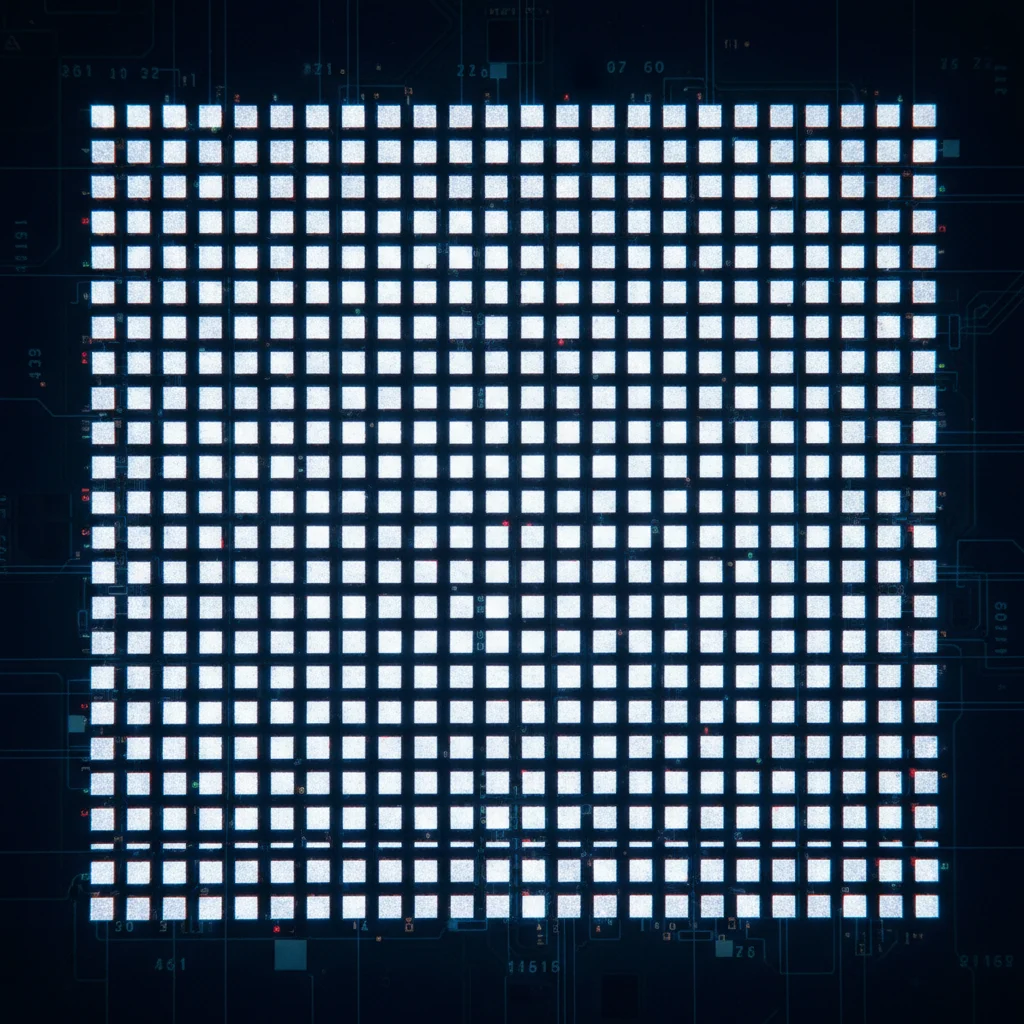
Before we project into the future, it’s crucial to grasp the fundamental principles that make MicroLED technology so revolutionary. Unlike OLED, which uses organic compounds that degrade over time and are susceptible to burn-in, MicroLED displays are composed of microscopic, inorganic LED arrays. Each pixel is a self-emissive LED, capable of producing its own light and color. This fundamental difference unlocks a cascade of advantages.
The Core Principles of MicroLED:
- Inorganic Materials: MicroLEDs utilize gallium nitride (GaN), an inorganic semiconductor material. This makes them inherently more stable, durable, and resistant to degradation compared to the organic materials in OLEDs.
- Self-Emissive Pixels: Similar to OLED, each MicroLED pixel generates its own light, allowing for perfect blacks (by simply turning off individual pixels) and incredibly high contrast ratios.
- Microscopic Scale: The ‘micro’ in MicroLED refers to the size of these individual LEDs, which are typically less than 100 micrometers. This allows for incredibly high pixel densities, leading to sharper images and greater detail, even on small mobile screens.
- Direct Light Emission: Unlike LCDs, which require a backlight, MicroLEDs are directly emissive, leading to thinner display modules and potentially more flexible designs.
The journey of MicroLED from concept to viable product has been long and arduous, primarily due to the immense challenges associated with manufacturing these microscopic LEDs and precisely transferring them onto a substrate. However, significant breakthroughs in mass transfer technology and manufacturing processes are now paving the way for its commercialization, particularly in smaller form factors like those found in smartwatches and, increasingly, smartphones.
2026 Forecast: MicroLED Mobile Displays Adoption Rates in the US
Forecasting technology adoption is a complex endeavor, influenced by a myriad of factors including R&D investment, manufacturing scalability, cost reduction, and consumer readiness. For MicroLED Mobile Displays, 2026 represents a critical inflection point.
Early Adoption and Niche Markets (2024-2025):
We anticipate that prior to 2026, MicroLED will primarily appear in niche mobile markets. This includes ultra-premium smartphones, specialized professional devices, and possibly smartwatches where the benefits of brightness and longevity are highly valued and can command a higher price point. Initial adoption will likely be driven by tech enthusiasts and early adopters willing to pay a premium for cutting-edge display technology.
Mainstream Introduction and Accelerating Growth (2026 Onwards):
By 2026, several key developments are expected to coalesce, enabling a more significant push for MicroLED into the mainstream mobile market in the US:
- Improved Manufacturing Yields: Advancements in mass transfer and bonding techniques will lead to higher production yields, driving down per-unit costs.
- Increased Investment: Major display manufacturers and smartphone brands are heavily investing in MicroLED R&D and production infrastructure, signaling their commitment to the technology.
- Competitive Pressure: As early adopters showcase the superior qualities of MicroLED, competitive pressure will compel more manufacturers to integrate the technology into their flagship models.
- Strategic Partnerships: Collaborations between display makers and mobile device manufacturers will streamline integration and accelerate market entry.
Based on these trends, we project that by 2026, MicroLED Mobile Displays could capture approximately 5-10% of the premium smartphone market share in the US. While this might seem modest, it represents a substantial entry into a highly competitive segment and lays the groundwork for exponential growth in subsequent years. This adoption will be concentrated in devices priced above $800, where consumers are more accustomed to paying for premium features and technological advancements.
Factors Influencing Adoption Speed:
- Cost Parity with OLED: The speed of adoption will heavily depend on how quickly MicroLED production costs can approach, or even surpass, those of high-end OLED panels.
- Supply Chain Maturity: A robust and reliable supply chain for MicroLED components and manufacturing equipment is crucial.
- Brand Adoption: If a dominant player in the smartphone market (e.g., Apple, Samsung) fully embraces MicroLED for their flagship devices, it could dramatically accelerate adoption across the industry.
- Consumer Education: Effectively communicating the tangible benefits of MicroLED over existing technologies will be vital for consumer acceptance.
Transformative Benefits for US Consumers
The promise of MicroLED Mobile Displays extends far beyond mere technical specifications; it translates into a host of tangible, user-centric benefits that will significantly enhance the mobile experience for US consumers.
1. Unmatched Visual Fidelity: Brighter, Sharper, More Vibrant
MicroLEDs are poised to deliver an unparalleled visual experience. Their ability to achieve significantly higher peak brightness levels compared to OLEDs means content will be more legible in direct sunlight, and HDR (High Dynamic Range) content will truly pop with breathtaking realism. Coupled with their perfect black levels and superior contrast, MicroLED displays will offer a dynamic range that makes colors more vibrant and details incredibly sharp. For consumers, this means:
- Superior Outdoor Visibility: No more squinting at your phone screen on a sunny day.
- Stunning HDR Content: Movies, games, and photos will appear more lifelike and immersive.
- Exceptional Color Accuracy: Professional users, photographers, and graphic designers will benefit from displays that render colors with extreme precision.
2. Revolutionary Energy Efficiency and Extended Battery Life
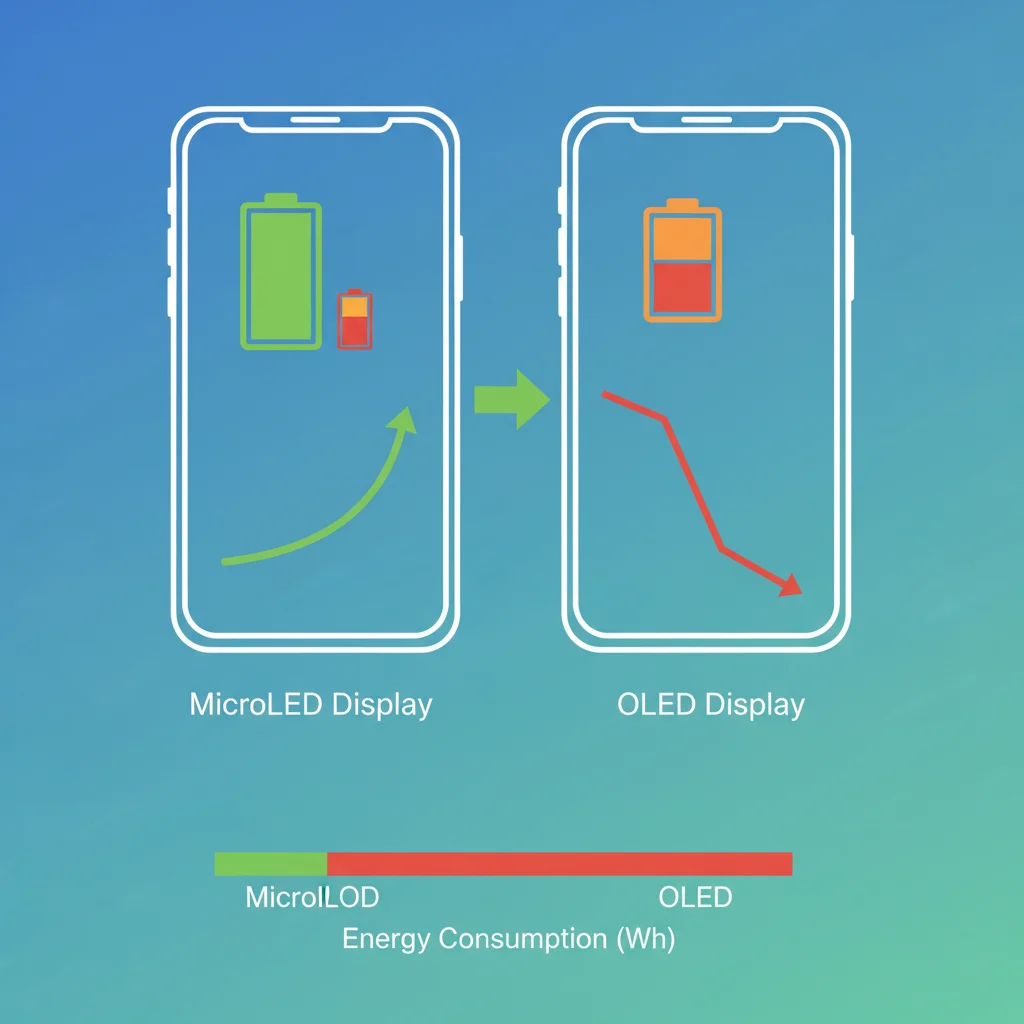
One of the most compelling advantages of MicroLED Mobile Displays is their potential for dramatically improved energy efficiency. Because each pixel is an individual light source, MicroLEDs can be incredibly power-efficient, especially when displaying darker content. Unlike OLEDs, which still consume power for pixels that are ‘off’ due to leakage currents, MicroLEDs consume virtually no power when a pixel is truly off. This can lead to significant battery life improvements for mobile devices.
For the average US consumer, extended battery life is a perennial desire. A smartphone that lasts longer on a single charge reduces range anxiety and offers greater convenience, especially for power users and those constantly on the go. This benefit alone could be a major driver for MicroLED adoption.
3. Enhanced Durability and Longevity: A Display Built to Last
The inorganic nature of MicroLEDs grants them a distinct advantage in terms of durability and longevity. Organic materials in OLEDs are prone to degradation over time, leading to issues like burn-in (permanent ghosting of static images) and a gradual decrease in brightness and color saturation. MicroLEDs, being inorganic, are immune to these issues.
- Burn-in Resistance: Static elements like navigation bars or app icons will not leave permanent marks on the screen.
- Longer Lifespan: MicroLED displays are expected to maintain their original brightness and color performance for significantly longer periods, extending the usable life of a device.
- Greater Robustness: The inorganic materials are generally more resistant to environmental factors like humidity and temperature fluctuations.
This translates to a more reliable and resilient mobile device for consumers, reducing the need for frequent replacements due to display degradation and potentially lowering long-term ownership costs.
4. Thinner, Lighter, and Potentially Flexible Designs
The direct emissive nature of MicroLEDs eliminates the need for a backlight unit, which is a significant component in LCDs. This allows for thinner and lighter display modules. As manufacturing processes mature, MicroLEDs also hold the promise of being integrated into truly flexible and even transparent substrates, opening up a world of new design possibilities for mobile devices.
- Sleeker Smartphone Designs: Thinner displays contribute to overall slimmer and more elegant device profiles.
- Innovative Form Factors: Imagine foldable phones with truly seamless displays, or even devices with screens that wrap around edges in novel ways.
- Reduced Weight: Lighter devices enhance comfort during prolonged use.
5. Faster Response Times and Reduced Latency
MicroLEDs boast extremely fast response times, meaning pixels can switch on and off almost instantaneously. This is particularly beneficial for fast-paced content like gaming and virtual reality applications. Faster response times reduce motion blur and ghosting, leading to a smoother and more immersive visual experience.
- Enhanced Gaming Experience: Gamers will appreciate the crispness and fluidity of fast-moving graphics.
- Improved VR/AR Applications: Reduced latency is crucial for preventing motion sickness and enhancing realism in augmented and virtual reality experiences on mobile.
Challenges and Considerations for MicroLED Adoption
While the benefits of MicroLED Mobile Displays are compelling, several challenges must be overcome for widespread adoption by 2026.
1. Manufacturing Complexity and Cost
The primary hurdle remains the intricate manufacturing process. The ‘mass transfer’ of millions of microscopic LEDs onto a substrate with extreme precision and high yield is incredibly challenging. Any defects at this stage can render an entire panel unusable, driving up costs. Significant investment in advanced robotics, AI-driven inspection systems, and novel transfer techniques is ongoing to address this.
2. Miniaturization and Pixel Density
Achieving the incredibly high pixel densities required for smartphone screens (e.g., 400-500 pixels per inch or higher) with MicroLEDs is technically demanding. As pixels shrink, the efficiency of light emission can decrease, and the complexity of addressing individual pixels increases.
3. Color Uniformity and Calibration
Ensuring perfect color uniformity across a large number of microscopic LEDs, each with slightly varying characteristics, is another significant challenge. Advanced calibration techniques and precise control over each sub-pixel are necessary to deliver a flawless visual experience.
4. Power Management and Driver Circuitry
While MicroLEDs are inherently energy-efficient, designing the accompanying driver circuitry to precisely control millions of individual LEDs in a power-efficient manner for a mobile device is complex. Integrating these drivers into a compact form factor without generating excessive heat is also a consideration.
The Competitive Landscape: MicroLED vs. OLED in 2026
By 2026, OLED technology will continue to dominate the premium mobile display market. However, MicroLED Mobile Displays will begin to carve out their niche, primarily at the very high end. OLED will likely see continued advancements in efficiency, brightness, and longevity, mitigating some of its inherent drawbacks. Yet, MicroLED’s fundamental advantages in raw brightness, true inorganic stability, and potential for extreme power efficiency will position it as the ultimate next-generation display.
The competition will likely drive innovation in both camps. OLED manufacturers will push harder to improve their technology, while MicroLED developers will focus on bringing down costs and scaling production. This healthy competition will ultimately benefit consumers, offering a wider range of high-performance display options.
Beyond Smartphones: The Broader Impact of MicroLED on Mobile
While our focus is primarily on smartphones, the rise of MicroLED Mobile Displays will have ripple effects across the entire mobile device ecosystem. By 2026, we can expect to see MicroLED adoption in:
- Smartwatches: Already a prime candidate due to smaller screen sizes and high demand for brightness and battery life.
- Tablets: Offering a larger canvas for the same visual and efficiency benefits.
- Augmented Reality (AR) Glasses: MicroLED’s high brightness, compact size, and efficiency make it an ideal candidate for transparent AR displays, providing crisp overlays without draining a small battery.
- Automotive Displays: Mobile-like displays in cars, offering superior readability and durability.
The advancements made in MicroLED for smartphones will inevitably accelerate its integration into these other mobile and portable applications, creating a pervasive presence of this superior display technology across various consumer touchpoints.
Conclusion: A Bright Future for MicroLED in Mobile
The journey towards widespread adoption of MicroLED Mobile Displays is complex, but the trajectory is clear. By 2026, while not yet ubiquitous, MicroLED technology will have firmly established its presence in the premium segment of the US mobile market. Consumers who invest in these devices will be rewarded with a truly transformative visual experience: screens that are unbelievably bright, vividly colorful, incredibly sharp, and remarkably durable.
The benefits of extended battery life, resistance to burn-in, and the promise of innovative device designs will redefine expectations for mobile technology. As manufacturing processes mature and costs decrease, MicroLED will likely follow a similar path to OLED, gradually moving from an exclusive feature to a more common standard in high-end devices, and eventually, to broader market segments. The future of mobile displays is undoubtedly bright, and by 2026, MicroLED will be leading the charge, offering US consumers a glimpse into the next era of visual excellence on their most personal devices.
Stay tuned as the world of display technology continues to evolve, bringing us closer to a mobile experience that is more immersive, efficient, and visually stunning than ever before.