Satellite Connectivity in Smartphones: Bridging the Digital Divide in Remote US Areas by 2026

The dawn of a new era in mobile communication is upon us, one where the boundaries of connectivity are being redrawn by the integration of satellite technology directly into our smartphones. For too long, vast swathes of the United States, particularly its remote and rural areas, have grappled with the persistent challenge of the digital divide. Limited or non-existent cellular coverage has not only hindered economic development and educational opportunities but has also posed significant safety concerns for residents and travelers alike. However, with the rapid advancements in satellite technology and miniaturization, the prospect of universal smartphone satellite connectivity is no longer a distant dream but a rapidly approaching reality. By 2026, this transformative shift is expected to unlock unprecedented opportunities for these underserved regions, fundamentally altering how we live, work, and communicate.
This comprehensive article delves into the exciting landscape of smartphone satellite connectivity, exploring its foundational technologies, the myriad benefits it promises for remote US areas, the challenges that must be overcome, and the economic and social implications of its widespread adoption. We will examine the key players driving this innovation, the regulatory hurdles, and the potential for new business models and services that will emerge. Our focus remains firmly on the anticipated impact by 2026, offering a forward-looking perspective on how this technology will reshape the future of connectivity.
The Evolution of Connectivity: From Terrestrial Towers to Orbital Networks
For decades, our mobile communication infrastructure has relied heavily on terrestrial cell towers. While highly effective in densely populated areas, this model becomes economically unfeasible and logistically challenging in remote regions. The cost of building and maintaining towers in areas with sparse populations and difficult terrain often outweighs the potential revenue, leaving millions without reliable service. This is where satellite technology steps in as a game-changer.
Early Satellite Communication: A Niche Market
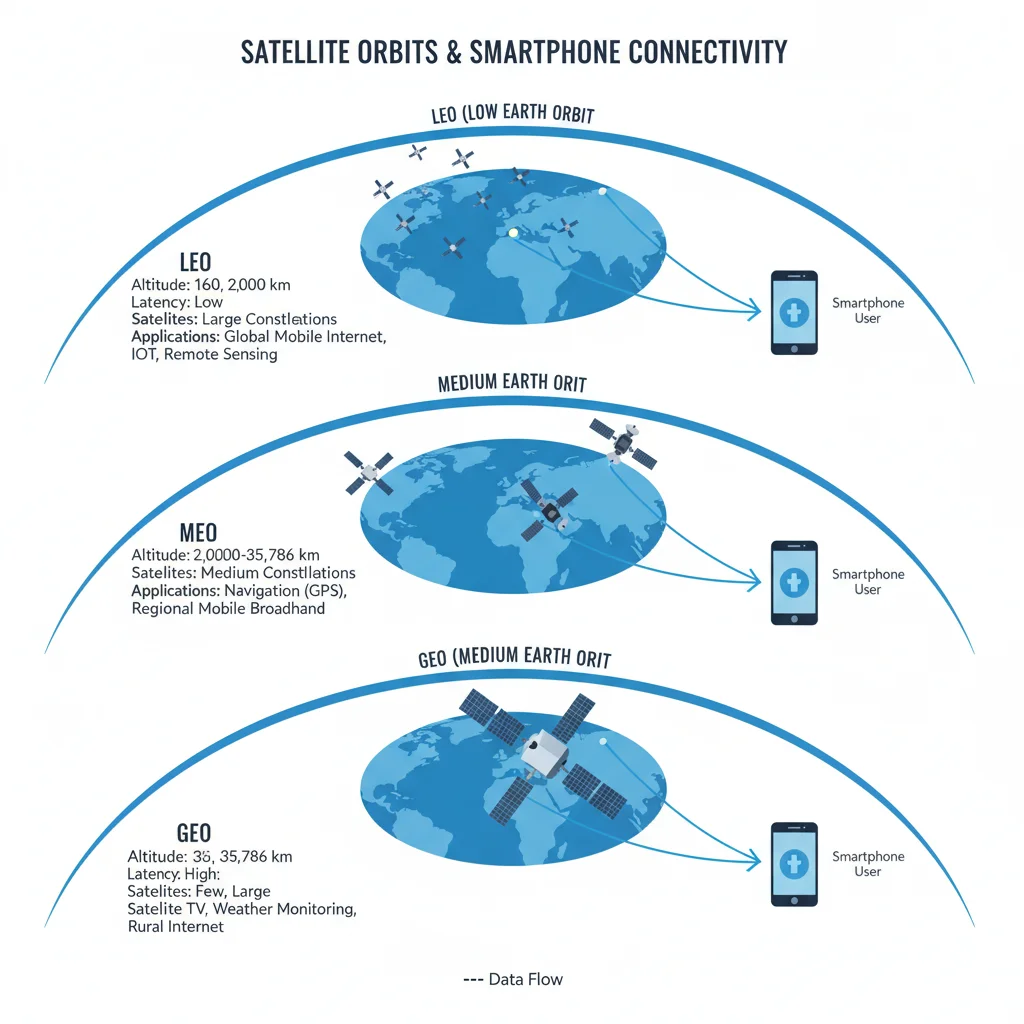
Satellite communication itself is not new. For years, satellite phones have provided a lifeline in extreme environments, favored by explorers, military personnel, and emergency responders. However, these devices were typically bulky, expensive, and offered limited data capabilities. Their primary function was voice calls and basic messaging, often with a significant delay due to the geostationary orbits of the satellites used. The idea of integrating this technology into everyday smartphones seemed far-fetched due to power consumption, antenna size, and cost.
The Rise of Low Earth Orbit (LEO) Constellations
The paradigm began to shift with the emergence of Low Earth Orbit (LEO) satellite constellations. Companies like SpaceX (Starlink), OneWeb, and Amazon (Project Kuiper) are launching thousands of smaller, more affordable satellites into orbits much closer to Earth (typically 500-2000 km). This proximity dramatically reduces latency, allowing for faster data speeds and more responsive communication. Crucially, the sheer number of satellites in these constellations ensures broader coverage and the ability to hand off signals seamlessly between satellites, offering a more consistent user experience akin to terrestrial cellular networks.
The advancements in LEO technology have paved the way for direct-to-device smartphone satellite connectivity. Instead of requiring specialized, bulky equipment, the goal is to enable standard smartphones to connect directly to these LEO satellites. This is achieved through a combination of more sensitive antennas within the phone, advanced signal processing capabilities, and innovative network architectures that allow satellites to communicate directly with mobile devices.
Opportunities for Remote US Areas by 2026
The integration of smartphone satellite connectivity promises a profound transformation for remote US areas. By 2026, we can expect to see significant improvements across several critical sectors:
Bridging the Digital Divide
The most immediate and impactful benefit is the eradication of connectivity blackspots. Millions of Americans in rural and wilderness areas currently lack access to reliable mobile service. Smartphone satellite connectivity will provide a baseline level of service, enabling essential communication, internet access for education and remote work, and participation in the digital economy. This will level the playing field, ensuring that geographical location no longer dictates access to vital information and services.
Enhanced Emergency Services and Safety
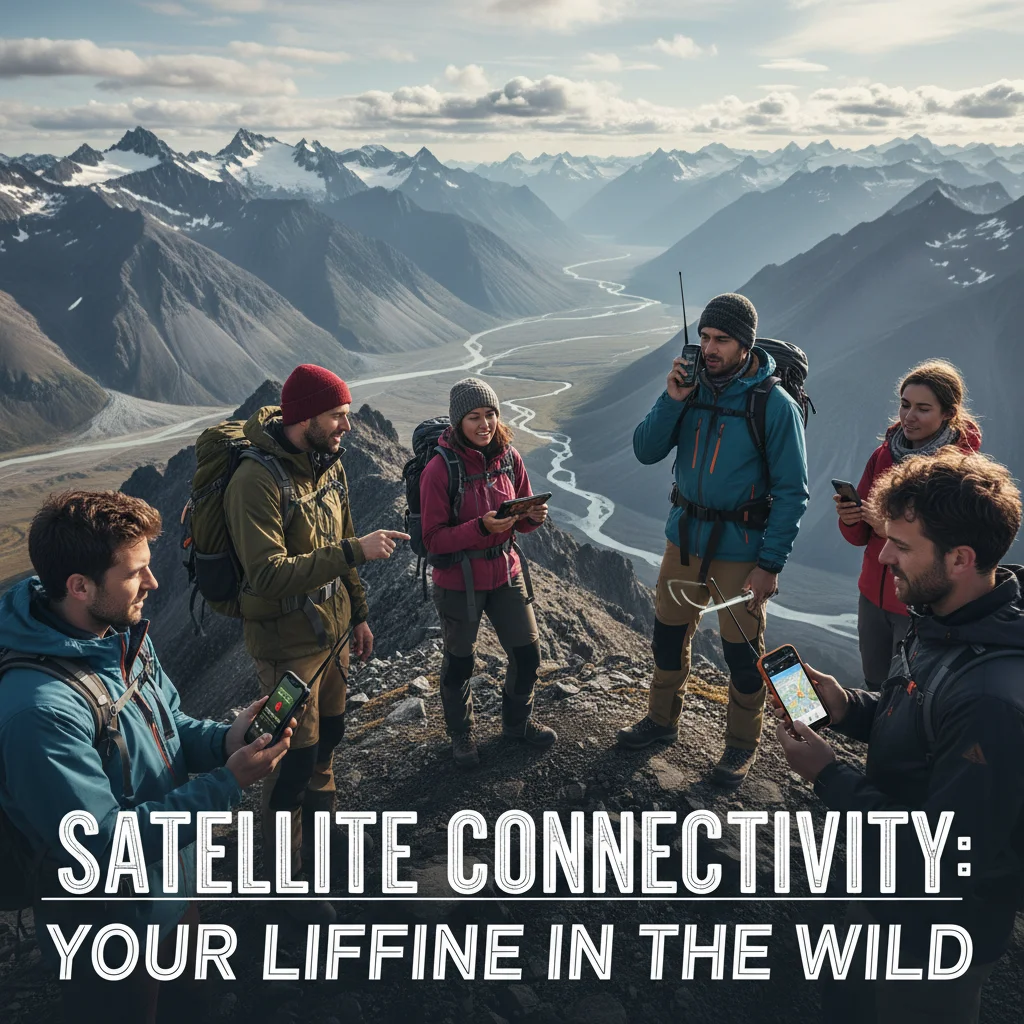
Currently, many outdoor enthusiasts, farmers, and residents in remote areas are vulnerable due to the lack of emergency communication. A broken-down vehicle, a medical emergency, or a natural disaster can quickly turn life-threatening without the ability to call for help. Satellite connectivity will provide a crucial lifeline, allowing individuals to contact emergency services (911) from virtually anywhere, significantly improving response times and saving lives. This capability is particularly vital for search and rescue operations and disaster relief efforts.
Economic Development and Remote Work
Reliable internet access is a prerequisite for economic growth in the 21st century. With smartphone satellite connectivity, remote businesses can operate more efficiently, access online markets, and attract a broader customer base. Furthermore, the rise of remote work has highlighted the need for robust connectivity outside urban centers. This technology will allow individuals to live and work in scenic, less populated areas without sacrificing their professional opportunities, potentially leading to a revitalization of rural communities.
Agricultural Innovation
Modern agriculture increasingly relies on data-driven insights and connected devices. Farmers in remote areas can leverage satellite connectivity for precision agriculture, monitoring crops, livestock, and equipment in real-time. This can lead to increased yields, reduced waste, and more sustainable farming practices, contributing to food security and economic prosperity in agricultural regions.
Tourism and Outdoor Recreation
The US boasts vast national parks and wilderness areas that attract millions of tourists annually. While the appeal often lies in disconnecting, the ability to communicate in emergencies or share experiences safely can enhance the overall visitor experience and security. Smartphone satellite connectivity will offer peace of mind to hikers, campers, and adventurers, making remote exploration safer and more accessible.
Technological Advancements Paving the Way
Achieving seamless smartphone satellite connectivity requires a confluence of sophisticated technologies. Several key advancements are making this possible:
Miniaturized Antennas and Chipsets
Historically, satellite communication required large, directional antennas. Modern engineering has led to the development of highly efficient, miniaturized antennas that can be integrated directly into smartphone form factors. These antennas, often phased arrays, can dynamically steer their beams to track fast-moving LEO satellites, ensuring a stable connection. Alongside this, specialized chipsets are being developed to handle the unique signal processing requirements of satellite communication, including error correction and modulation techniques optimized for satellite links.
Advanced Satellite Network Architectures
The LEO constellations are designed with sophisticated inter-satellite links, allowing satellites to communicate with each other and route data across the network before downlinking to a ground station. This reduces reliance on a single ground station for every connection and improves overall network resilience and coverage. Furthermore, the satellites themselves are becoming more powerful, capable of directly communicating with low-power smartphone devices.
Software-Defined Radios and AI Optimization
Software-defined radios (SDRs) in smartphones offer flexibility, allowing devices to adapt to different satellite frequencies and protocols without hardware changes. Artificial intelligence and machine learning algorithms are also playing a crucial role in optimizing signal acquisition, power management, and network handovers, ensuring efficient and reliable smartphone satellite connectivity even under challenging conditions.
Power Efficiency
One of the significant challenges has been the power consumption associated with satellite communication. However, advancements in low-power chip design, efficient antenna technology, and optimized communication protocols are reducing the energy demands, making it feasible for smartphones to maintain a satellite connection without rapidly draining their batteries.
Challenges and Considerations for Widespread Adoption by 2026
While the opportunities are immense, several challenges must be addressed for smartphone satellite connectivity to achieve widespread adoption in remote US areas by 2026:
Cost and Affordability
Integrating satellite technology into smartphones and providing the associated service will likely incur additional costs. For widespread adoption, these costs must be affordable for consumers in remote areas, who often have lower average incomes. Service providers will need to develop competitive pricing models, potentially offering tiered plans or subsidized devices.
Regulatory Landscape and Spectrum Allocation
The allocation of radio spectrum for direct-to-device satellite communication is a complex regulatory issue. International and national bodies, such as the FCC in the US, need to establish clear guidelines and allocate appropriate spectrum bands to ensure interference-free operation and fair competition among providers. Harmonization of regulations across different regions will also be crucial for global roaming capabilities.
Performance Limitations (Speed and Latency)
While LEO satellites offer significantly lower latency than GEO satellites, they still introduce more latency than terrestrial cellular networks. Furthermore, initial smartphone satellite connectivity services might offer lower data speeds compared to 5G or even 4G in urban areas. While sufficient for messaging and basic internet browsing, high-bandwidth applications like streaming high-definition video or large file transfers might remain challenging. Managing user expectations regarding performance will be key.
Power Consumption and Battery Life
Despite advancements, maintaining a satellite connection will still consume more power than connecting to a terrestrial cell tower. Smartphone manufacturers will need to optimize battery life and integrate efficient power management systems to ensure that users can rely on their satellite connection when needed without constantly worrying about their phone dying.
Market Competition and Collaboration
The market for smartphone satellite connectivity is becoming increasingly competitive, with major players like Apple, Google, and Samsung exploring integrations with various satellite operators (e.g., Globalstar, Iridium, Starlink). Collaboration between smartphone manufacturers, satellite operators, and mobile network operators will be essential to create a seamless user experience and a robust ecosystem.
Key Players and Their Contributions
The race to enable direct-to-device smartphone satellite connectivity involves a diverse set of companies, each contributing unique expertise:
Satellite Operators
- Starlink (SpaceX): A pioneer in LEO constellations, Starlink is actively pursuing direct-to-cell capabilities, having already launched satellites with the necessary technology. Their vast constellation positions them as a major contender for providing high-speed satellite internet to smartphones.
- AST SpaceMobile: This company is specifically focused on building a space-based cellular broadband network designed to connect directly to unmodified 4G and 5G smartphones. Their ‘BlueWalker’ satellites are essentially large cell towers in space.
- Globalstar: Already providing satellite services, Globalstar has partnered with Apple for the emergency SOS feature on newer iPhones, demonstrating a successful early implementation of direct-to-device satellite communication.
- Iridium: Known for its robust global coverage, Iridium is also exploring enhanced direct-to-device capabilities beyond its traditional satellite phone services.
- OneWeb: While initially focused on enterprise and government, OneWeb’s LEO constellation holds potential for future direct-to-smartphone integrations.
Smartphone Manufacturers
- Apple: With the introduction of Emergency SOS via Satellite on iPhone 14 and later models, Apple has demonstrated the viability and demand for satellite connectivity in consumer devices. This feature offers text-based emergency communication in areas without cellular coverage.
- Android Ecosystem (Google, Samsung, Qualcomm): Google has announced support for satellite connectivity in future Android versions, and chipset manufacturers like Qualcomm are developing modems capable of direct satellite communication. This indicates a broader push across the Android device landscape to integrate this technology.
Mobile Network Operators (MNOs)
MNOs like T-Mobile and AT&T are partnering with satellite providers to extend their network reach. T-Mobile, for instance, has teamed up with Starlink to offer satellite-to-cellular service, aiming to eliminate dead zones across most of the US. These partnerships are crucial for integrating satellite services seamlessly into existing mobile plans and ensuring a smooth user experience.
The Social and Economic Impact by 2026
By 2026, the widespread availability of smartphone satellite connectivity in remote US areas will have far-reaching social and economic consequences:
Reduced Isolation and Improved Well-being
For individuals living in isolated communities, consistent connectivity can significantly reduce feelings of isolation. It enables easier communication with family and friends, access to mental health resources, and participation in online communities, fostering a greater sense of belonging and well-being.
Enhanced Educational Opportunities
Students in remote areas will gain improved access to online learning resources, virtual classrooms, and educational tools, helping to close the educational gap between urban and rural students. This is particularly important for distance learning programs and vocational training.
New Business Models and Entrepreneurship
The availability of reliable connectivity will open doors for new businesses and entrepreneurial ventures in remote areas. From remote sensing services to localized e-commerce platforms, the digital infrastructure will support a diverse range of economic activities that were previously unfeasible.
Improved Public Services
Beyond emergency services, other public services can benefit. Health workers in remote clinics can access telehealth platforms, government agencies can streamline data collection, and utility companies can better monitor infrastructure in hard-to-reach locations.
Environmental Monitoring and Conservation
Satellite-connected smartphones can be used by conservationists and environmental agencies to collect data, monitor wildlife, and track environmental changes in remote and protected areas, contributing to more effective conservation efforts.
The Road Ahead: What to Expect Post-2026
The journey towards ubiquitous smartphone satellite connectivity won’t stop in 2026. Beyond this initial phase, we can anticipate further advancements and integrations:
Higher Bandwidth and Lower Latency
As more LEO satellites are launched and technology matures, we can expect even higher data speeds and lower latency, making satellite connectivity comparable to terrestrial broadband for many applications. This will enable more demanding uses like high-quality video conferencing and cloud computing.
Seamless Integration and Roaming
The user experience will become even more seamless, with smartphones intelligently switching between terrestrial and satellite networks based on availability and signal strength, without user intervention. Global roaming agreements will ensure connectivity across international borders, making travel safer and more convenient.
Specialized Devices and Applications
While standard smartphones will gain satellite capabilities, we might also see specialized ruggedized devices emerge that are optimized for extreme environments and prolonged satellite use, catering to specific professional or recreational needs.
Internet of Things (IoT) Expansion
Smartphone satellite connectivity will pave the way for a massive expansion of the Internet of Things (IoT) into remote areas. Sensors monitoring everything from environmental conditions to agricultural equipment can transmit data via satellite, enabling real-time insights and automation in previously unconnected locations.
The vision of a fully connected world, where geographical isolation no longer means digital exclusion, is rapidly becoming a reality thanks to the advancements in smartphone satellite connectivity. By 2026, remote US areas are poised to experience a significant leap forward, unlocking a wealth of opportunities for economic growth, enhanced safety, and improved quality of life. While challenges remain, the concerted efforts of technology companies, satellite operators, and policymakers are laying the groundwork for a future where everyone, everywhere, can stay connected.
This technological revolution is not merely about faster internet; it’s about empowering communities, fostering innovation, and ensuring that no one is left behind in the digital age. The integration of satellite into smartphones represents a monumental step towards achieving true universal connectivity, transforming the landscape of communication for generations to come.