The Future of Mobile Photography: 2026’s Computational Imaging Advancements
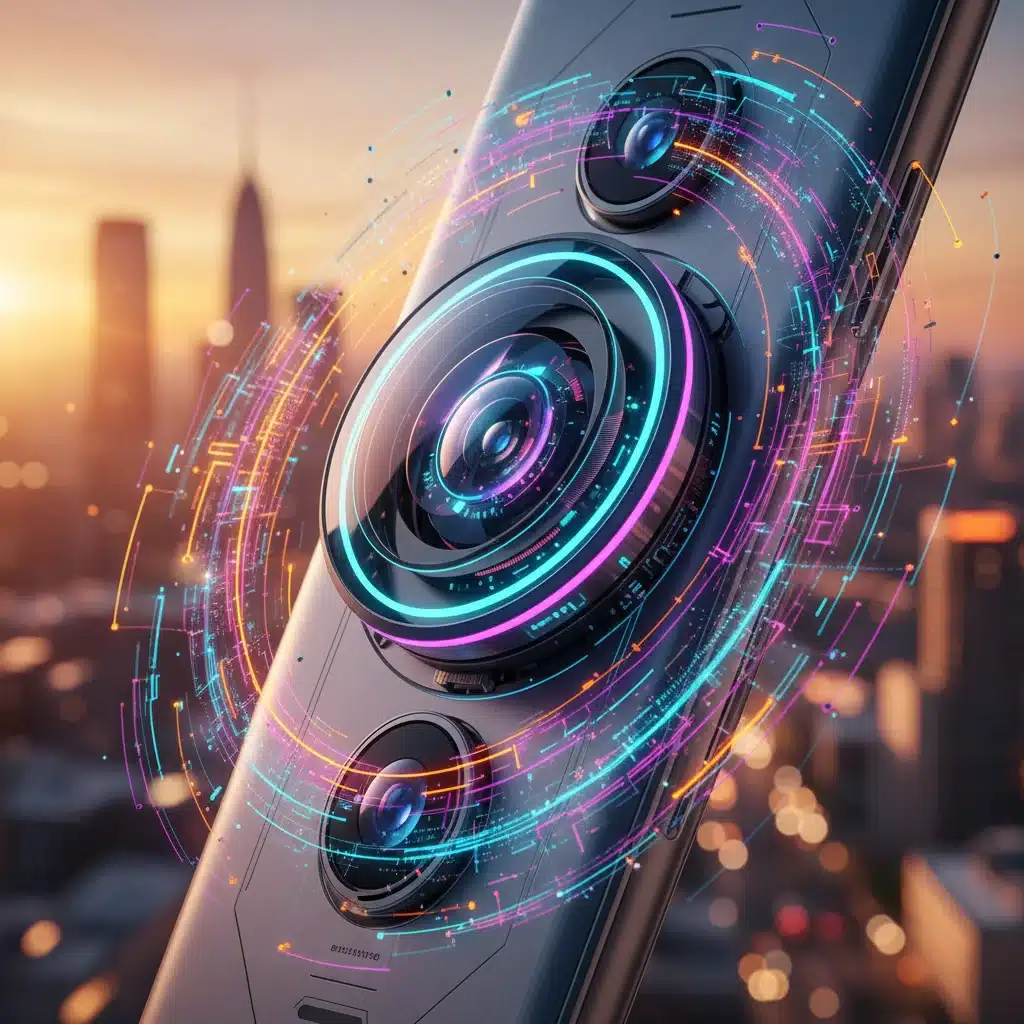
In the blink of an eye, technology evolves, and nowhere is this more evident than in the realm of mobile photography. What started as a novelty has transformed into a sophisticated art form, capable of rivaling traditional cameras. As we gaze into the near future, specifically towards 2026, the landscape of mobile photography is poised for another monumental shift, driven largely by the relentless march of computational imaging and artificial intelligence. This article delves deep into the anticipated advancements, exploring how Mobile Photography 2026 will redefine our understanding of what a smartphone camera can achieve.
The journey from simple point-and-shoot mechanisms to today’s multi-lens, AI-powered devices has been nothing short of astonishing. Early mobile phone cameras were limited by tiny sensors and basic optics, resulting in grainy, low-resolution images. However, with each passing year, manufacturers pushed the boundaries, integrating better sensors, optical image stabilization, and more sophisticated lens arrays. The real game-changer, however, has been the rise of computational photography. This isn’t just about capturing light; it’s about using powerful processors and intelligent algorithms to interpret, enhance, and even create images that were once impossible for such compact devices. By 2026, this technology will have matured to an extent that will fundamentally alter our photographic experiences.
The Dawn of Hyper-Intelligent Computational Imaging in Mobile Photography 2026
Computational imaging, at its core, is the art and science of using digital computation instead of optical processes to form images. In the context of Mobile Photography 2026, this means an exponential leap in how smartphones capture and process visual information. We’re talking about more than just HDR or portrait mode; we’re envisioning a future where every pixel is intelligently optimized, and every scene is understood with unprecedented depth.
One of the most significant advancements will be in multi-frame processing. Current smartphones already stack multiple exposures to improve dynamic range and reduce noise. By 2026, this will evolve into hyper-stacking, where dozens, if not hundreds, of frames are captured in milliseconds and intelligently merged. This will lead to images with dynamic range that surpasses human vision, capturing intricate details in both the brightest highlights and deepest shadows simultaneously. Imagine perfectly exposed photos even in the most challenging lighting conditions, from backlit subjects to dimly lit interiors, all without a hint of artificiality.
Furthermore, depth mapping will become incredibly precise. While current phones use LiDAR or dual cameras for depth sensing, Mobile Photography 2026 will see the integration of advanced 3D sensing technologies that can create highly accurate, pixel-level depth maps. This precision will unlock new possibilities for sophisticated bokeh effects, allowing users to adjust focus and depth of field with granular control after the photo has been taken. Beyond simple background blur, this could enable advanced segmentation for object removal, seamless integration of AR elements, and even the ability to create volumetric photos that can be viewed from multiple angles.
AI’s Omnipresent Role: Beyond Scene Recognition
Artificial intelligence is already a cornerstone of modern mobile photography, from identifying subjects to optimizing colors. In Mobile Photography 2026, AI will move beyond mere recognition and enhancement to become an integral, almost invisible, co-creator of every image. Neural processing units (NPUs) in smartphone chipsets will be vastly more powerful, enabling real-time, on-device AI computations that were once reserved for high-end desktop workstations.
One key area of advancement will be in semantic understanding. AI will not just recognize a ‘dog’ or ‘sky’ but will understand the context of the scene. Is it a playful pet, a majestic landscape, or a candid family moment? This deeper understanding will allow the camera to apply intelligent adjustments that go beyond generic presets, tailoring processing to the emotional and narrative intent of the photograph. For instance, AI might subtly enhance the vibrant colors of a sunset while preserving the natural skin tones of people in the foreground, or it might emphasize the texture of an ancient ruin while suppressing sensor noise in low light.
AI will also play a crucial role in predictive photography. Imagine a camera that anticipates the perfect moment to press the shutter, capturing fleeting expressions or dynamic action shots with unparalleled accuracy. By analyzing movement patterns, facial expressions, and even environmental cues, AI will be able to suggest optimal shooting settings, frame compositions, and even pre-buffer images to ensure no moment is missed. This ‘co-pilot’ approach will empower users of all skill levels to capture professional-grade images effortlessly.
Revolutionizing Low-Light Performance: Seeing in the Dark
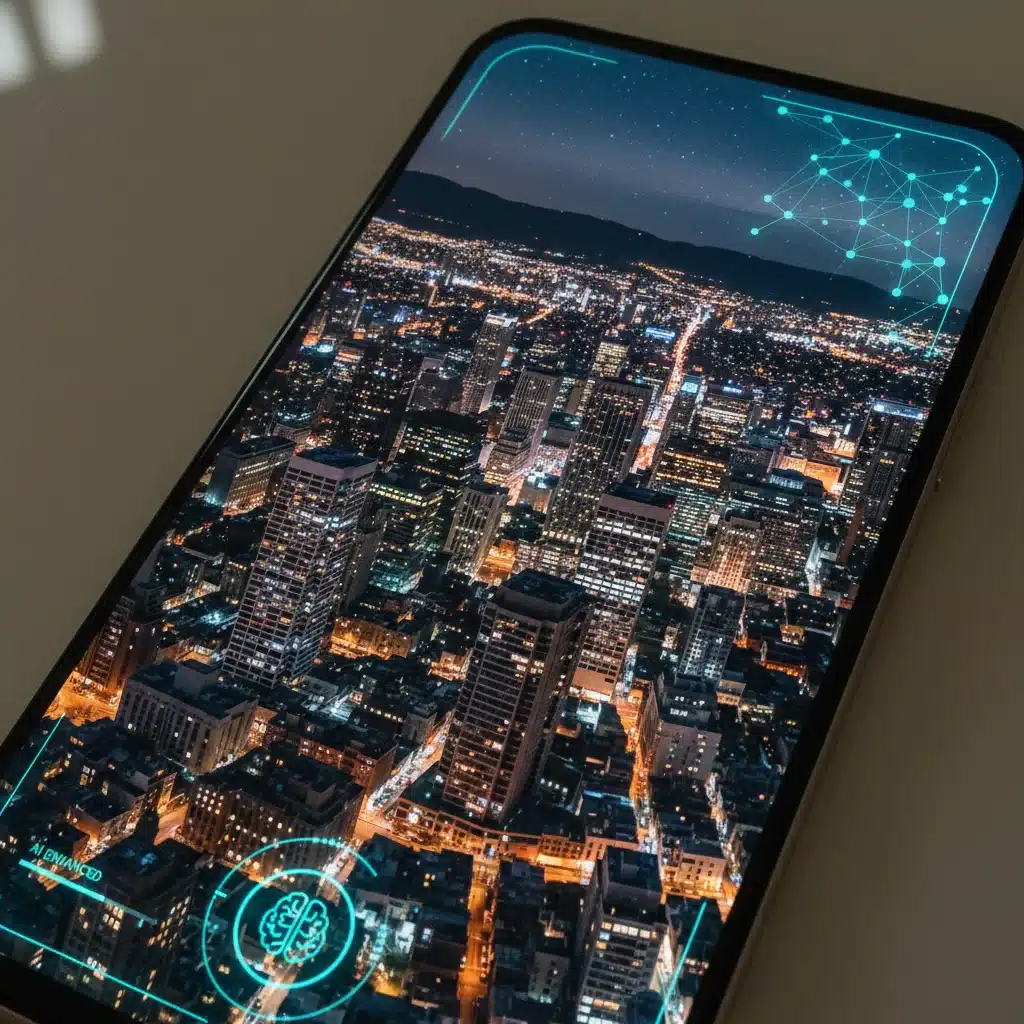
Low-light photography has always been a significant challenge for mobile cameras due to their small sensors and limited light-gathering capabilities. However, Mobile Photography 2026 promises to virtually eliminate this constraint. The combination of advanced computational imaging and AI will allow smartphones to ‘see’ and capture incredible detail in conditions that would render current cameras useless.
Expect to see next-generation sensor technology, possibly incorporating larger pixels, stacked sensor designs, and even novel light-gathering materials. These hardware improvements will be augmented by AI-driven noise reduction algorithms that can differentiate between actual image detail and random noise with astonishing precision. Instead of simply blurring noise away, which often sacrifices detail, AI will intelligently reconstruct missing information, resulting in clean, sharp, and naturally textured images even in near-darkness.
Furthermore, advanced multi-exposure techniques will be taken to an extreme. Instead of just a few frames, cameras might capture dozens or hundreds of very short exposures, each with minimal noise, and then computationally merge them into a single, high-fidelity image. This technique, coupled with AI’s ability to correct for micro-movements and ghosting, will make truly stunning low-light photography an everyday reality for smartphone users.
Beyond the Single Shot: The Era of Computational Video
While much of the focus is often on still photography, Mobile Photography 2026 will also bring about a revolution in video capture. Computational video will apply many of the same principles seen in still imaging to moving pictures, resulting in footage with unprecedented quality and creative flexibility.
Imagine real-time HDR video that flawlessly handles extreme contrast, or cinematic depth-of-field effects that can be adjusted frame-by-frame after recording. AI-powered stabilization will go beyond current OIS and EIS, predicting camera movements and digitally correcting them with such accuracy that even handheld footage will look like it was shot on a professional gimbal. Noise reduction in video will also reach new heights, allowing for usable, high-quality footage even in challenging low-light environments.
Moreover, AI will enable intelligent video editing features directly on the device. This could include automatic scene segmentation, intelligent subject tracking, and even AI-generated cinematic transitions. Users might be able to simply point and shoot, and the phone’s AI will automatically craft a polished, engaging video, complete with appropriate music and pacing, ready for sharing.
The Integration of Augmented Reality and Photography
The lines between the real and digital worlds are increasingly blurring, and Mobile Photography 2026 will heavily leverage augmented reality (AR) to enhance both the capture and consumption of images. AR is not just about fun filters; it’s about adding contextual information, interactive elements, and entirely new layers to our visual experiences.
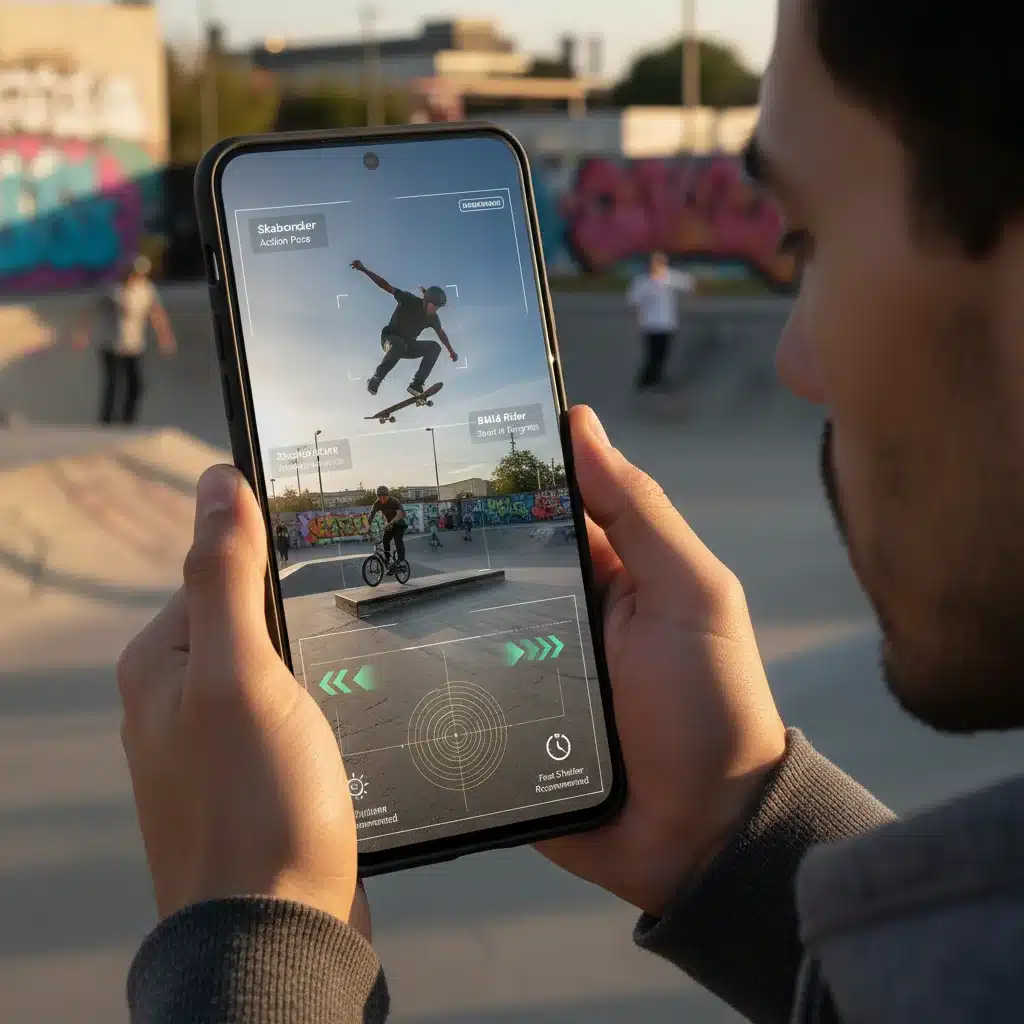
During capture, AR overlays will provide real-time feedback and guidance. Imagine a photographer’s assistant built into your camera app, suggesting optimal framing based on compositional rules, highlighting potential distractions in the scene, or even providing a live preview of how different filters or styles would look before you even press the shutter. For professional use, AR could overlay technical data, such as real-time depth maps, exposure zones, or focus peaking indicators, directly onto the viewfinder.
After capture, AR will transform how we interact with our photos. Instead of static images, we might be able to ‘step into’ a photo, viewing it as a 3D scene where we can pan around and explore details. AR could also be used to ‘re-contextualize’ photos, placing them virtually into different environments or interacting with other digital elements. Imagine sharing a photo of your pet, and your friends can see an AR version of your pet playing in their own living room through their phone screen.
The Evolution of Mobile Camera Hardware
While computational imaging and AI are the driving forces, hardware innovation will continue to be crucial for Mobile Photography 2026. Expect to see further refinements in sensor technology, lens design, and overall camera module integration.
Periscope lenses, which allow for greater optical zoom in a slim form factor, will become more common and offer even greater magnification. We might also see variable aperture lenses becoming standard, providing greater control over depth of field and light intake, much like traditional cameras. The number of lenses might not increase significantly, but their quality and integration will improve, with each lens optimized for specific tasks, from ultra-wide to telephoto, and potentially specialized lenses for macro or even multispectral imaging.
The processing power of smartphone chipsets will continue its relentless upward trajectory. Dedicated NPUs (Neural Processing Units) will become even more powerful and efficient, specifically designed to handle the complex AI and computational photography algorithms in real-time. This means faster processing, lower power consumption, and the ability to run more sophisticated models directly on the device, reducing reliance on cloud computing.
Ethical Considerations and the Future of Authenticity
As Mobile Photography 2026 pushes the boundaries of what’s possible, it also brings forth important ethical considerations, particularly concerning authenticity. When AI can reconstruct details, remove objects, and even generate entire elements, the line between a captured moment and a digitally created one becomes increasingly blurred.
Expect to see increased discussion and potentially industry standards around image provenance and authenticity. Technologies like digital watermarking, blockchain-based verification, or metadata that clearly indicates AI alterations might become more prevalent. This will be crucial for areas like journalism, legal documentation, and even personal archiving, where the integrity of an image is paramount.
On the flip side, the ability to ‘perfect’ images effortlessly could also lead to a new form of visual expression, where the intent is not to deceive but to create art. The challenge will be to clearly distinguish between these two use cases and provide users with the tools and transparency needed to understand the nature of the images they are creating and consuming.
The Democratization of Professional Photography
One of the most profound impacts of Mobile Photography 2026 will be the further democratization of professional-grade photography. What once required expensive equipment, extensive training, and a deep understanding of photographic principles will become increasingly accessible to anyone with a smartphone.
AI will act as a virtual photography tutor and assistant, guiding users towards better compositions, optimal settings, and more impactful storytelling. Features that were once exclusive to high-end cameras and post-processing software, such as advanced noise reduction, sophisticated color grading, and precise object manipulation, will be integrated seamlessly into the mobile camera experience. This doesn’t mean professional photographers will become obsolete; rather, it will free them from the mundane technical aspects, allowing them to focus more on their creative vision and unique artistic perspective.
For the average user, this means that capturing stunning, memorable photos and videos will become easier and more enjoyable than ever before. The barrier to entry for producing high-quality visual content will be significantly lowered, fueling an even greater explosion of creativity across social media, personal projects, and everyday documentation.
Conclusion: A Vision of Mobile Photography 2026
Mobile Photography 2026 is not just about better cameras; it’s about a complete reimagining of the photographic process. Computational imaging and artificial intelligence will converge to create devices that don’t just capture light but intelligently interpret and enhance our visual world. From seeing in near-darkness to creating cinematic videos with ease, and from seamless AR integration to hyper-accurate depth mapping, the capabilities will be nothing short of revolutionary.
This future promises not only breathtaking image quality but also a more intuitive, creative, and personalized photographic experience for everyone. As we move closer to 2026, the boundaries of mobile photography will continue to expand, transforming our smartphones into powerful visual storytelling tools that truly capture the essence of our memories and allow us to share our unique perspectives with the world in ways we can only begin to imagine today. The era of truly intelligent cameras is upon us, and the future of mobile photography is brighter, sharper, and more vibrant than ever before.