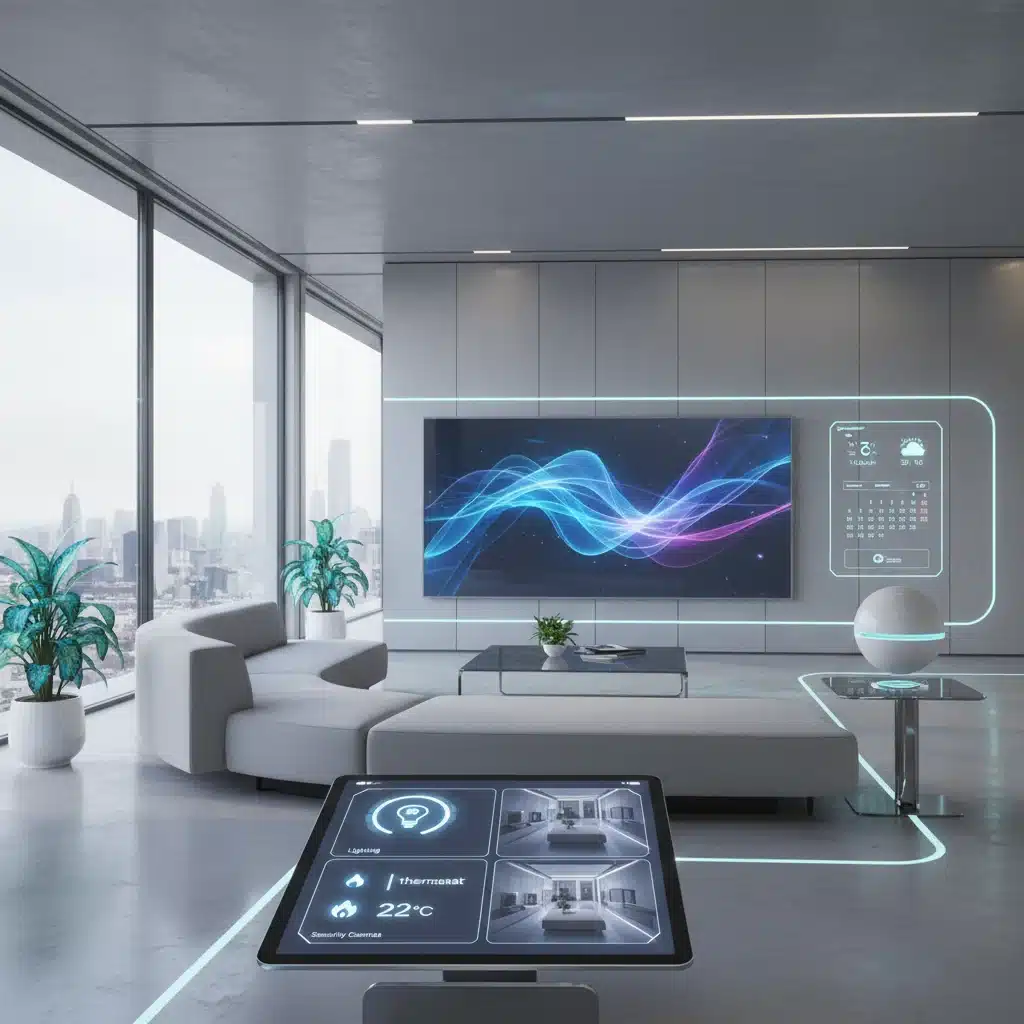
Mastering Smart Home Ecosystems: A 2026 Integration Guide to Seamless Digital Living
Welcome to 2026, where the vision of a truly interconnected home is no longer a distant dream but a tangible reality for millions. The landscape of home automation has evolved dramatically, moving beyond simple voice commands to sophisticated, self-optimizing Smart Home Ecosystems. If you’ve ever felt overwhelmed by the sheer number of smart devices on the market or struggled to make them work together harmoniously, you’re not alone. This comprehensive guide is designed to cut through the complexity, offering you a clear roadmap to building and optimizing your own seamless digital living experience.
The promise of smart homes has always been about convenience, efficiency, and enhanced security. However, the early days were often plagued by compatibility issues, fragmented platforms, and a steep learning curve. Fast forward to today, and significant advancements in AI, machine learning, and standardized communication protocols have paved the way for truly integrated Smart Home Ecosystems. No longer are we merely controlling individual devices; we are orchestrating a symphony of technology that anticipates our needs, adapts to our preferences, and proactively manages our living environment.
This article will delve deep into the core principles of optimizing your Smart Home Ecosystems. We’ll explore the crucial components that make up a robust ecosystem, discuss the leading platforms and their unique strengths, and provide actionable strategies for achieving unparalleled integration. From security and energy management to entertainment and personalized comfort, we’ll cover how to leverage the full potential of your connected devices. Whether you’re a seasoned smart home enthusiast looking to refine your setup or a newcomer eager to embark on this exciting journey, this guide will equip you with the knowledge and insights needed to create a truly intelligent home.
Understanding the Core of Smart Home Ecosystems
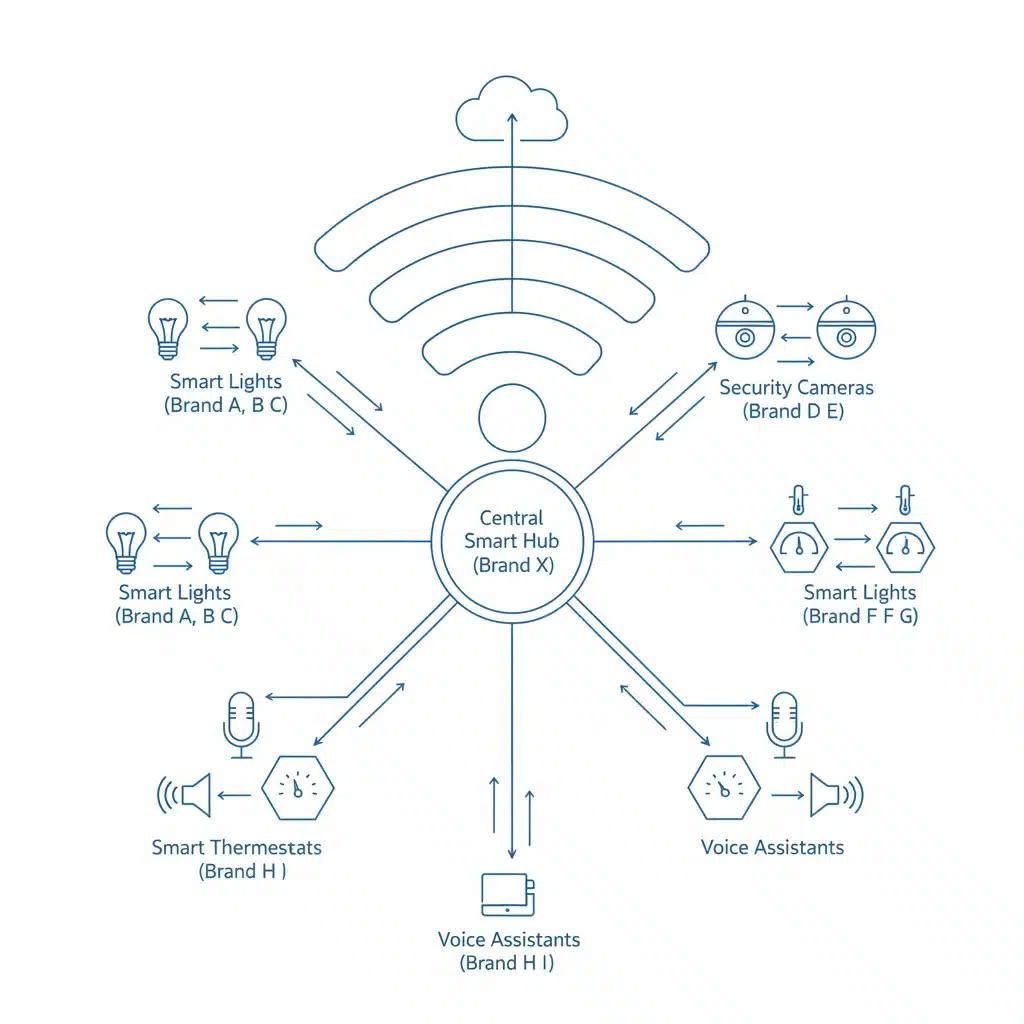
At its heart, a Smart Home Ecosystem is a network of interconnected devices, platforms, and services that communicate and operate together to automate and control various aspects of your home. It’s more than just having a smart speaker or a smart thermostat; it’s about these devices working in concert, sharing data, and responding to each other’s actions and environmental cues. Think of it as the central nervous system of your home, with each device acting as a sensory organ or a motor function, all coordinated by a central brain.
The Evolution from Individual Devices to Integrated Ecosystems
Initially, the smart home market was characterized by standalone devices. You’d buy a smart bulb from one brand, a smart lock from another, and a smart camera from a third. Each came with its own app, its own set of rules, and often, its own proprietary communication method. This siloed approach led to frustration and limited functionality. The true power of a smart home remained largely untapped because devices couldn’t ‘talk’ to each other effectively.
The shift towards Smart Home Ecosystems began with the advent of central hubs and voice assistants. Platforms like Amazon Alexa, Google Home, and Apple HomeKit emerged as unifying forces, acting as translators and orchestrators for a multitude of devices. These platforms provided a common language and a central control point, allowing users to manage diverse devices from a single interface or through voice commands. Today, the focus is on deeper integration, where devices not only respond to commands but also anticipate needs based on learned patterns and environmental data.
Key Components of a Robust Smart Home Ecosystem
To truly optimize your Smart Home Ecosystem, it’s essential to understand its fundamental building blocks:
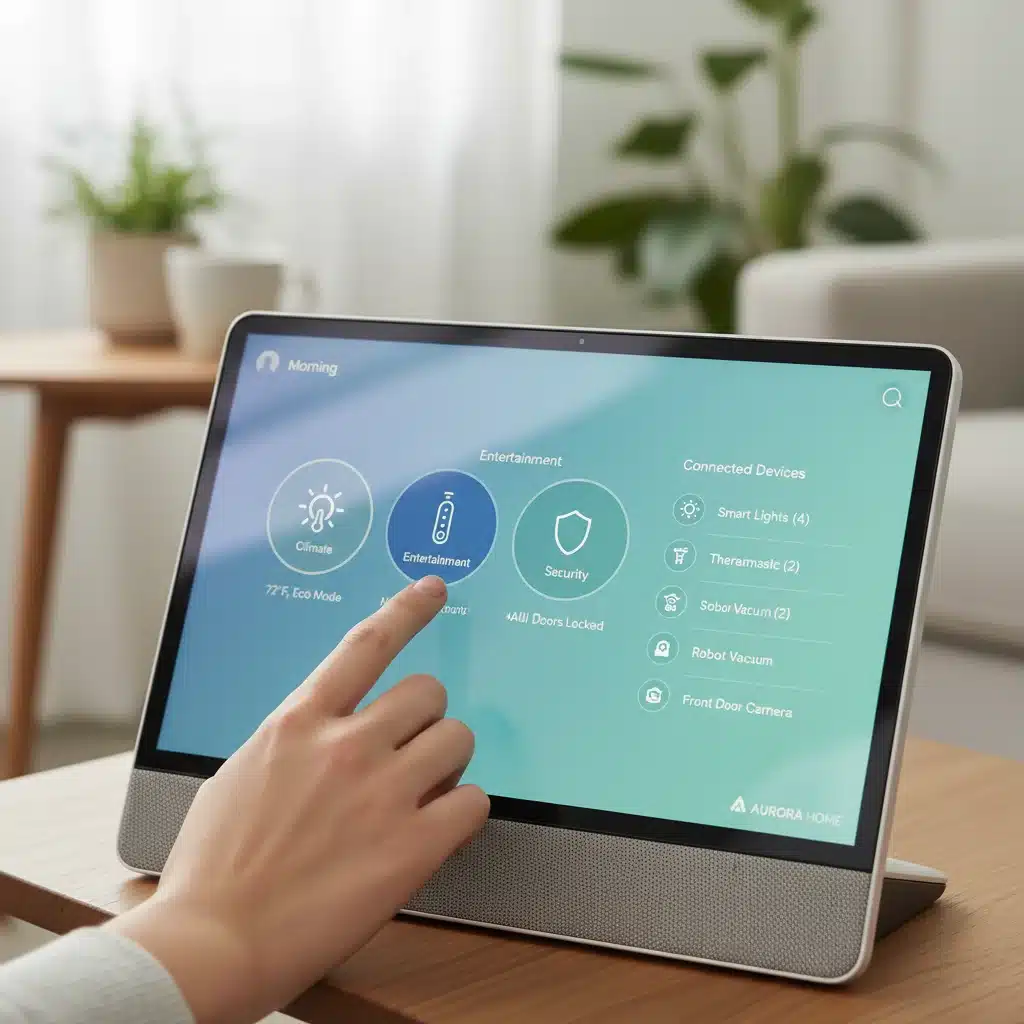
- The Central Hub/Controller: This is the brain of your ecosystem. It can be a dedicated device like a Samsung SmartThings Hub, an Amazon Echo Show, a Google Nest Hub, or even a software-based solution running on a home server. Its role is to facilitate communication between devices, manage routines, and provide a central interface for control.
- Communication Protocols: These are the languages your devices use to talk to each other. Common protocols include Wi-Fi, Bluetooth, Zigbee, Z-Wave, and Thread. Choosing devices that support compatible protocols is crucial for seamless integration. Matter, a new open-source standard, is rapidly gaining traction, promising to simplify compatibility across different brands and platforms.
- Smart Devices: These are the ‘things’ in the Internet of Things (IoT) – smart lights, thermostats, security cameras, door locks, sensors (motion, contact, environmental), smart plugs, appliances, and more. The quality and compatibility of these devices directly impact the performance of your ecosystem.
- Cloud Services & AI: Many Smart Home Ecosystems rely on cloud computing for data storage, processing, and advanced functionalities like AI-driven learning, predictive analytics, and remote access. AI algorithms analyze usage patterns to optimize energy consumption, personalize comfort settings, and enhance security responses.
- User Interface (UI): This includes mobile apps, voice assistants, smart displays, and physical buttons or switches that allow you to interact with and control your smart home. An intuitive and unified UI is paramount for a positive user experience.
Choosing the Right Smart Home Ecosystem Platform for 2026
The foundation of an optimized Smart Home Ecosystem lies in selecting the right platform. In 2026, the market is more mature, with several dominant players offering robust and increasingly interoperable solutions. Your choice will largely depend on your existing devices, preferred voice assistant, and desired level of control and customization.
Leading Platforms and Their Strengths:
- Amazon Alexa: Still a powerhouse, Alexa boasts the widest range of compatible devices and a vast skill library. Its strength lies in voice control and integration with Amazon’s services. Ideal for users who prioritize voice commands and have many Alexa-compatible devices.
- Google Home/Assistant: Google’s platform excels in AI-driven intelligence, leveraging Google’s search and machine learning capabilities. It offers excellent integration with Android devices and Google services. Strong for users who value predictive routines and smart suggestions.
- Apple HomeKit: Known for its strong emphasis on privacy and security, HomeKit offers a highly intuitive user experience, especially for those in the Apple ecosystem. Its ‘Home’ app provides a unified control panel for all HomeKit-compatible devices. Best for Apple users seeking robust security and a streamlined interface.
- Samsung SmartThings: A versatile hub-based ecosystem that supports a wide array of communication protocols (Zigbee, Z-Wave, Wi-Fi). SmartThings offers extensive customization options and local processing capabilities, reducing reliance on the cloud. Excellent for advanced users who want deep customization and broad device compatibility.
- Home Assistant: An open-source, highly customizable platform for the technically inclined. Home Assistant allows for unparalleled control, privacy, and integration of virtually any smart device, regardless of brand. It requires more setup but offers ultimate flexibility.
The Rise of Matter: A Game Changer for Smart Home Ecosystems
One of the most significant developments impacting Smart Home Ecosystems in 2026 is the widespread adoption of Matter. This new open-source connectivity standard, backed by industry giants like Apple, Google, Amazon, and Samsung, aims to solve the long-standing problem of interoperability. Matter-certified devices can communicate locally with each other, regardless of brand or platform, simplifying setup, improving reliability, and reducing latency.
When selecting new devices, prioritizing Matter-certified products is a smart move. This ensures future-proofing your Smart Home Ecosystem and guarantees smoother integration with a broader range of devices and platforms. Matter acts as a universal translator, allowing your smart lights from one brand to seamlessly interact with your thermostat from another, all controlled through your preferred voice assistant or app.
Strategies for Optimizing Your Smart Home Ecosystem
Once you’ve chosen your platform and started acquiring devices, the real work of optimization begins. It’s about making your Smart Home Ecosystem not just functional, but truly intelligent and responsive to your lifestyle.
1. Plan Your Ecosystem Thoughtfully
Before purchasing every shiny new gadget, take time to plan. What problems are you trying to solve? What routines do you want to automate? Consider your daily habits, energy consumption goals, and security needs. Start small and expand gradually. A well-planned ecosystem is far more effective than a haphazard collection of devices.
2. Prioritize Interoperability and Compatibility
As mentioned, Matter is a key consideration. When buying new devices, check for Matter certification. If a device isn’t Matter-compatible, ensure it explicitly states compatibility with your chosen primary platform (e.g., ‘Works with Alexa,’ ‘Works with Google Home,’ ‘Works with Apple HomeKit’). This prevents frustrating compatibility headaches down the line and ensures your devices can truly be part of your integrated Smart Home Ecosystem.
3. Centralize Control with a Hub or Primary Assistant
Even with Matter, having a central brain for your Smart Home Ecosystem is crucial. This could be a dedicated hub, a smart display, or your main voice assistant. This central point allows for unified control, simplified routine creation, and often, local processing for faster response times and improved reliability. Avoid having multiple competing hubs unless absolutely necessary for specific device types.
4. Leverage Routines and Automations
This is where the magic of a Smart Home Ecosystem truly shines. Routines (also known as automations or scenes) allow multiple devices to act in concert based on triggers. Examples include:
- ‘Good Morning’ Routine: At 7 AM, smart blinds open, bedroom lights slowly brighten, the thermostat adjusts to your preferred temperature, and your smart speaker plays the news.
- ‘Leaving Home’ Routine: When your phone leaves a geofence, doors lock, lights turn off, the thermostat enters away mode, and security cameras activate.
- ‘Movie Night’ Scene: With a single voice command, lights dim to a specific level, smart blinds close, and the TV/sound system turns on.
Experiment with complex routines that involve multiple conditions (e.g., ‘If motion detected in the hallway AFTER 10 PM AND it’s dark, turn on hallway light to 20% for 2 minutes’).
5. Optimize for Energy Efficiency
A well-optimized Smart Home Ecosystem can significantly reduce energy consumption. Smart thermostats that learn your preferences and adjust based on occupancy and weather are just the beginning. Integrate smart plugs to turn off dormant electronics, use occupancy sensors to ensure lights are only on when needed, and schedule high-energy appliances to run during off-peak hours. Many platforms offer energy monitoring features that provide valuable insights into your consumption patterns, allowing for further optimization.
6. Enhance Security and Safety
Security is a cornerstone of any effective Smart Home Ecosystem. Integrate smart locks, video doorbells, security cameras, and contact sensors for doors and windows. Set up notifications for unusual activity. Consider smart smoke/CO detectors that can alert your phone and even unlock doors for emergency services. Advanced systems can even simulate occupancy by randomly turning lights on and off when you’re away, deterring potential intruders.
7. Focus on Network Reliability
Your smart home is only as reliable as your home network. Invest in a robust Wi-Fi router, especially one that supports Wi-Fi 6 or newer standards, to handle the increased traffic from numerous devices. Consider a mesh Wi-Fi system for larger homes to ensure consistent coverage. For mission-critical devices like security cameras, consider wired Ethernet connections where feasible. Regular firmware updates for your router and smart devices are also crucial for security and performance.
8. Data Privacy and Security Best Practices
As your Smart Home Ecosystem grows, so does the amount of personal data it collects. Prioritize devices and platforms with strong privacy policies. Use unique, strong passwords for all your smart home accounts. Enable two-factor authentication (2FA) wherever possible. Regularly review privacy settings for each device and platform. Be mindful of what data you’re sharing and with whom. Many platforms now offer more granular control over data collection and usage.
9. Regular Maintenance and Updates
Just like any other technology, your Smart Home Ecosystem requires regular maintenance. Keep all device firmware and app software updated. Updates often include bug fixes, performance improvements, and crucial security patches. Periodically review your routines and automations to ensure they are still relevant and working as intended. Remove any unused devices or integrations to keep your ecosystem streamlined and efficient.
Advanced Concepts in Smart Home Ecosystems for 2026
Beyond the basics, 2026 brings exciting advancements that allow for even greater optimization and intelligence within your Smart Home Ecosystem.
AI and Machine Learning for Predictive Automation
Modern Smart Home Ecosystems are increasingly leveraging AI and machine learning to move beyond reactive automation to predictive intelligence. Your smart thermostat doesn’t just adjust to a schedule; it learns your preferences, anticipates when you’ll be home, and pre-cools or pre-heats based on weather forecasts. Security cameras use AI to differentiate between pets, people, and vehicles, reducing false alarms. Lights can adapt not just to time of day but also to the natural light levels outside, mimicking circadian rhythms.
The key here is allowing your ecosystem to collect and analyze data over time. The more data it gathers about your habits and environment, the smarter and more personalized its automations become. This self-optimization is a hallmark of truly advanced Smart Home Ecosystems.
Edge Computing and Local Control
While cloud services are vital, there’s a growing trend towards edge computing and local control within Smart Home Ecosystems. This means more processing happens directly on the device or on a local hub, rather than sending all data to the cloud. Benefits include:
- Faster Response Times: Commands are processed instantly without internet latency.
- Enhanced Privacy: Sensitive data remains within your home network.
- Increased Reliability: Your smart home continues to function even if your internet connection goes down.
Platforms like Home Assistant and hubs like SmartThings offer strong local control capabilities. Matter also promotes local communication, further enhancing this aspect of Smart Home Ecosystems.
Biometric Integration and Personalized Experiences
Fingerprint readers, facial recognition, and voice biometrics are becoming more common in Smart Home Ecosystems. Imagine a door that unlocks for recognized family members but triggers an alert for strangers. Or a smart speaker that recognizes your voice and automatically switches to your preferred music playlist and adjusts the room temperature to your specific liking. These personalized experiences elevate convenience and security to new levels, making your home truly adapt to each individual occupant.
Seamless Integration with Wearables and Vehicles
The boundaries of the Smart Home Ecosystem are expanding beyond the four walls of your house. Integration with smartwatches, fitness trackers, and even your vehicle is becoming standard. Your car can notify your home of your estimated arrival time, triggering a ‘Welcome Home’ routine to prepare the house. Your smartwatch can send health data that influences your smart bed’s settings or adjust ambient lighting for optimal sleep. This holistic approach ensures your digital life is connected, no matter where you are.
Troubleshooting and Maintaining Your Smart Home Ecosystem
Even the most perfectly optimized Smart Home Ecosystem can encounter issues. Knowing how to troubleshoot common problems and perform regular maintenance is key to long-term satisfaction.
Common Issues and Solutions:
- Device Not Responding: Check power, Wi-Fi connection, and device status in its native app. Reboot the device and/or your router.
- Intermittent Connectivity: Often a Wi-Fi issue. Consider a mesh network, repositioning your router, or checking for interference from other devices.
- Routines Not Triggering: Verify conditions, triggers, and actions in your platform’s automation settings. Check if all involved devices are online and responsive.
- Voice Assistant Misunderstanding: Ensure your commands are clear and specific. Check microphone sensitivity and placement of the voice assistant device.
- Battery Drain (Sensors): Replace batteries promptly. Some devices offer battery level monitoring.
Best Practices for Maintenance:
- Firmware and Software Updates: Regularly check for and install updates for all smart devices, hubs, and router.
- Network Health Check: Periodically monitor your Wi-Fi network for signal strength, connected devices, and potential bottlenecks.
- Review Automations: As your needs change, so should your routines. Delete unused or redundant automations.
- Clean Device Data: Some devices store data that can be periodically cleared to improve performance.
- Backup Configurations: For platforms like Home Assistant, regularly back up your configuration files.
The Future of Smart Home Ecosystems: Beyond 2026
The evolution of Smart Home Ecosystems is relentless. Looking beyond 2026, we can anticipate even more sophisticated and integrated experiences. The convergence of ambient computing, where technology seamlessly blends into the environment, and hyper-personalization will redefine how we interact with our homes.
Anticipated Trends:
- Proactive Health Monitoring: Homes will actively monitor residents’ health through discreet sensors, alerting to potential issues or adjusting environmental factors for well-being.
- Contextual Awareness: Advanced AI will understand not just what you’re doing, but why you’re doing it, leading to even more intuitive and anticipatory responses.
- Sustainable Living Integration: Deeper integration with smart grids, renewable energy sources, and waste management systems will make homes truly sustainable.
- Digital Twins: Virtual representations of your home will allow for advanced simulations and optimizations before physical changes are made.
- Enhanced Accessibility: Smart homes will become even more adaptive for individuals with disabilities, offering custom control interfaces and assistive technologies.
The journey to a fully optimized Smart Home Ecosystem is ongoing, but the tools and technologies available in 2026 make it more accessible and rewarding than ever before. By understanding the core components, choosing the right platforms, and diligently applying optimization strategies, you can transform your house into an intelligent, responsive, and truly personalized living space.
Conclusion: Embracing the Intelligent Home of Tomorrow
Optimizing your Smart Home Ecosystem in 2026 is about more than just convenience; it’s about creating a living environment that actively contributes to your comfort, security, and well-being. By carefully planning, prioritizing interoperability (especially with Matter), leveraging powerful routines, and maintaining your system, you can unlock the full potential of your connected devices.
The future of home automation is bright, with AI, machine learning, and new communication standards continually pushing the boundaries of what’s possible. Embrace these advancements, stay informed about emerging technologies, and continue to refine your Smart Home Ecosystem. The intelligent home of tomorrow is not just a collection of gadgets; it’s a dynamic, adaptive partner in your daily life, making every moment at home more efficient, enjoyable, and secure. Start building your seamless digital living experience today, and step into the future of home.