Task Management Platforms: Boosting US Business Efficiency by 15% in Q1 2026

The Latest in Task Management: How US Businesses Are Adopting New Platforms to Increase Efficiency by 15% in Q1 2026
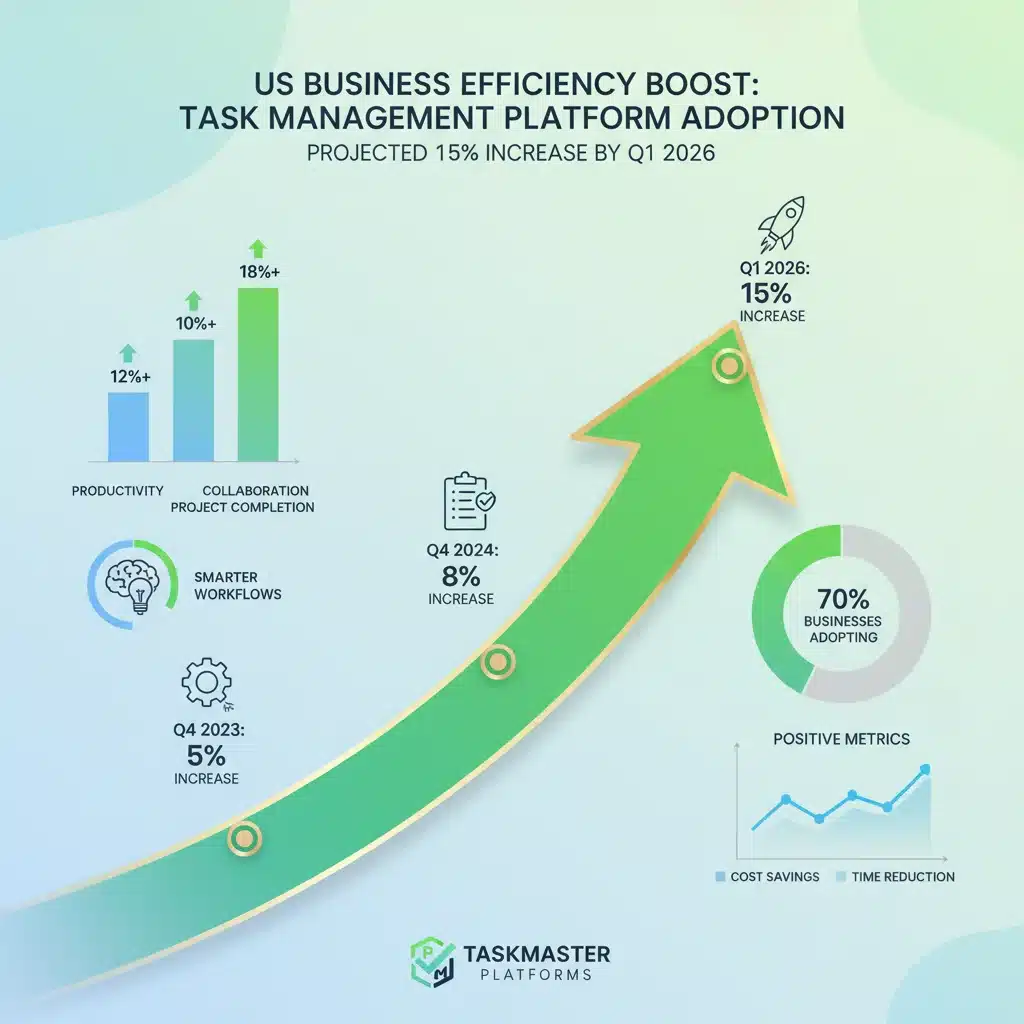
In the rapidly evolving landscape of global commerce, US businesses are constantly seeking innovative strategies to gain a competitive edge. One of the most significant transformations currently underway is the widespread adoption of advanced task management platforms. These sophisticated tools are not just improving workflow; they are fundamentally reshaping how teams operate, collaborate, and achieve their objectives. The ambitious goal? A projected 15% increase in overall business efficiency by the first quarter of 2026. This article delves deep into the trends, benefits, and strategic implications of this shift, providing a comprehensive guide for businesses looking to optimize their operations.
The Shifting Paradigm: Why Task Management Platforms are Crucial Now
The past few years have highlighted the critical need for adaptability and efficiency in business. Remote work, hybrid models, and distributed teams have become the norm, necessitating robust digital infrastructures that can support seamless collaboration and project oversight. Traditional methods of task tracking, such as spreadsheets or fragmented email chains, are no longer sufficient to meet the demands of modern business. This is where dedicated task management platforms step in, offering centralized hubs for planning, executing, and monitoring projects.
The push for a 15% efficiency boost isn’t merely a lofty aspiration; it’s a strategic imperative driven by several factors:
- Increased Competition: Global markets demand faster delivery and higher quality, pushing businesses to optimize every aspect of their operations.
- Complex Projects: Modern projects often involve multiple stakeholders, intricate dependencies, and cross-functional teams, requiring sophisticated tools to manage complexity.
- Data-Driven Decisions: Businesses are increasingly relying on data to make informed decisions, and advanced platforms provide the analytics needed to identify bottlenecks and optimize workflows.
- Employee Engagement and Retention: Efficient processes reduce frustration and burnout, leading to higher employee satisfaction and retention.
Understanding these underlying drivers is key to appreciating the profound impact that effective task management platforms can have on an organization’s bottom line and long-term sustainability.
Key Features Driving Efficiency in Modern Task Management Platforms
Not all task management platforms are created equal. The ones driving significant efficiency gains in US businesses typically share a common set of powerful features:
1. Centralized Project Dashboards
A single, intuitive dashboard provides an overview of all ongoing projects, tasks, deadlines, and team responsibilities. This eliminates the need to sift through multiple documents or communication channels, saving valuable time and reducing the risk of overlooked tasks. Visual representations like Gantt charts, Kanban boards, and calendar views offer different perspectives, catering to diverse project management methodologies.
2. Real-time Collaboration Tools
Effective collaboration is the cornerstone of efficiency. Modern platforms integrate real-time communication features such as in-app messaging, comment sections on tasks, and document sharing. This ensures that team members can communicate instantly, share updates, and resolve issues without leaving the platform, streamlining workflows and fostering a more connected team environment.
3. Automation Capabilities
Repetitive and mundane tasks consume significant time. Leading task management platforms offer automation features, allowing businesses to set up rules for task assignments, notifications, reminders, and status updates. For example, a task can automatically move to ‘In Review’ once all subtasks are completed, or a notification can be sent to a manager when a deadline is approaching. This frees up employees to focus on higher-value activities.
4. Robust Reporting and Analytics
To achieve a 15% efficiency increase, businesses need to measure and analyze their performance. These platforms provide detailed reports on task completion rates, project progress, resource allocation, and team productivity. These insights enable managers to identify inefficiencies, optimize resource deployment, and make data-backed decisions to refine their processes continuously.
5. Integration with Other Business Tools
A truly effective platform doesn’t operate in a silo. The best task management platforms seamlessly integrate with other essential business applications such as CRM systems, communication tools (e.g., Slack, Microsoft Teams), cloud storage (e.g., Google Drive, Dropbox), and development tools (e.g., GitHub). This creates a unified ecosystem, preventing data duplication and ensuring a smooth flow of information across the organization.
The Tangible Benefits: How US Businesses are Gaining a 15% Edge
The adoption of advanced task management platforms is translating into concrete benefits for US businesses, directly contributing to the ambitious 15% efficiency target:
Improved Project Delivery Rates
With clear task assignments, transparent progress tracking, and streamlined communication, projects are completed faster and more consistently. Teams have a better understanding of their roles and deadlines, reducing delays and improving overall project success rates.
Enhanced Resource Allocation
Managers gain a clearer picture of their team’s workload and capacity. This allows for more strategic allocation of resources, preventing burnout from overburdened employees and maximizing the productivity of each team member. Identifying underutilized resources also allows for better distribution of tasks.
Reduced Operational Costs
Efficiency gains directly lead to cost savings. By reducing wasted time, minimizing errors, and optimizing workflows, businesses can achieve more with existing resources. Automation further cuts down on manual labor costs associated with administrative tasks.
Greater Transparency and Accountability
Everyone on the team knows who is responsible for what and by when. This fosters a culture of accountability and transparency, where progress is easily visible, and potential roadblocks can be identified and addressed proactively. This openness builds trust and improves team morale.
Faster Decision-Making
Access to real-time data and comprehensive reports empowers leaders to make quicker, more informed decisions. Whether it’s reallocating resources, adjusting project timelines, or identifying new opportunities, the insights provided by these platforms are invaluable.
Strategic Implementation: Making the Most of Your Task Management Platform
Simply purchasing a task management platform is not enough; successful implementation requires a strategic approach. US businesses aiming for that 15% efficiency leap are following these best practices:
1. Define Clear Objectives and KPIs
Before selecting a platform, businesses must clearly define what they want to achieve. What specific inefficiencies are they looking to address? How will they measure success? Setting Key Performance Indicators (KPIs) related to project completion rates, task turnaround times, and resource utilization will provide a benchmark for evaluating the platform’s impact.
2. Involve Stakeholders Early
Successful adoption hinges on user buy-in. Involving team members, project managers, and even senior leadership in the selection and implementation process ensures that the chosen platform meets diverse needs and that there is collective ownership of the change.
3. Provide Comprehensive Training
Even the most intuitive platform requires proper training. Investing in workshops, tutorials, and ongoing support ensures that all users are proficient and comfortable with the new system. This minimizes resistance to change and maximizes the platform’s potential.
4. Start Small, Scale Gradually
Instead of a big-bang rollout, many businesses find success by implementing the platform with a pilot team or a smaller project first. This allows for testing, gathering feedback, and refining processes before a wider deployment, mitigating risks and ensuring a smoother transition.
5. Champion a Culture of Adoption
Leadership plays a crucial role in promoting the use of the new platform. Managers should actively use the system, encourage their teams to do the same, and highlight the benefits. This top-down endorsement is vital for fostering widespread adoption and ensuring the platform becomes an integral part of daily operations.
6. Regularly Review and Optimize
The journey to efficiency is ongoing. Businesses should regularly review their usage of the task management platform, gather user feedback, and identify areas for optimization. This might involve adjusting workflows, leveraging new features, or integrating with additional tools to continuously enhance productivity.
Emerging Trends in Task Management for Q1 2026 and Beyond
As US businesses march towards their Q1 2026 efficiency goals, several trends are shaping the future of task management platforms:
AI and Machine Learning Integration
Artificial intelligence is increasingly being integrated into these platforms to offer predictive analytics, automate task assignments based on team member skills and availability, identify potential project delays before they occur, and even suggest optimal workflows. This proactive approach will further enhance efficiency and reduce human error.
Enhanced Mobile Accessibility
With a growing mobile workforce, platforms are focusing on delivering robust and intuitive mobile experiences. This allows team members to manage tasks, collaborate, and stay updated on the go, ensuring productivity regardless of location.
No-Code/Low-Code Workflow Customization
Businesses are demanding more flexibility to tailor platforms to their unique needs without requiring extensive coding knowledge. No-code and low-code options are empowering users to customize workflows, build custom reports, and integrate with other tools more easily, accelerating adoption and maximizing utility.
Focus on Employee Well-being and Workload Management
Beyond just task completion, newer platforms are incorporating features to monitor employee workload, identify signs of potential burnout, and facilitate more balanced task distribution. This focus on well-being contributes to sustainable efficiency and higher retention rates.

Advanced Security and Compliance
As more sensitive data flows through these platforms, security and compliance features are becoming paramount. Businesses are prioritizing platforms that offer robust encryption, data privacy controls, and adherence to industry-specific regulations.
Challenges and How to Overcome Them
While the benefits of task management platforms are clear, businesses may encounter challenges during adoption. Recognizing and addressing these proactively is crucial for achieving the desired 15% efficiency increase.
1. Resistance to Change
Employees accustomed to older systems may resist adopting new tools. This can be mitigated through comprehensive training, highlighting the personal benefits (e.g., reduced stress, clearer expectations), and fostering a supportive environment where questions are welcomed.
2. Overwhelm from Feature Bloat
Some platforms offer a vast array of features, which can be daunting for new users. It’s important to start with core functionalities, gradually introducing more advanced features as users become more comfortable. Tailored training can focus on the most relevant features for specific teams.
3. Integration Complexities
Integrating a new platform with existing legacy systems can be complex. Businesses should carefully plan their integration strategy, potentially leveraging IT expertise or seeking support from the platform vendor to ensure seamless data flow and avoid disruptions.
4. Data Migration Issues
Moving existing project data into a new system can be a significant hurdle. A clear data migration plan, thorough testing, and potentially phased migration can help manage this challenge effectively, ensuring no critical information is lost.
5. Cost Management
While the long-term benefits outweigh the initial investment, managing the costs associated with subscriptions, training, and potential customizations requires careful budgeting. Businesses should consider the total cost of ownership (TCO) and compare it against the projected ROI.
Case Studies: Real-World Impact on US Businesses
Numerous US businesses are already witnessing substantial improvements. A mid-sized tech company, for instance, reported a 12% reduction in project delays within six months of implementing a new task management platform, directly attributing it to better visibility and accountability. A marketing agency saw a 20% increase in client project throughput due to streamlined approval processes and automated task assignments.
These examples underscore the transformative power of these tools when implemented strategically. They are not just about managing tasks; they are about fostering a more organized, collaborative, and ultimately, more productive work environment.
Conclusion: The Path to 15% Efficiency by Q1 2026
The drive to achieve a 15% increase in efficiency by Q1 2026 through the adoption of new task management platforms is a testament to the forward-thinking approach of US businesses. By embracing these powerful tools, organizations are not only optimizing their daily operations but also building resilient, agile, and future-ready workforces. The benefits extend beyond mere productivity, encompassing improved collaboration, enhanced decision-making, and a more engaged employee base.
For businesses yet to fully leverage the potential of these platforms, now is the opportune moment to evaluate existing processes, identify areas for improvement, and embark on a strategic implementation journey. The investment in robust task management platforms is not just an expense; it’s a strategic imperative for sustained growth and competitive advantage in the modern economy. The path to higher efficiency is clear, and with the right tools and strategies, US businesses are well-positioned to meet and even exceed their ambitious goals.