Smart Home Ecosystem: 7 Essential Devices for 2026 Optimization

The dawn of 2026 brings with it an even more sophisticated landscape for home automation. What was once the realm of science fiction is now an integral part of our daily lives, transforming houses into intelligent spaces that anticipate our needs, safeguard our families, and conserve our resources. Optimizing your Smart Home Ecosystem is no longer just about convenience; it’s about creating a truly responsive, efficient, and secure living environment. As technology continues its rapid evolution, staying ahead of the curve means understanding which devices are truly essential for building a cohesive and powerful smart home experience.
This comprehensive guide will delve into the seven most essential devices that will define the optimized Smart Home Ecosystem in 2026. We will explore how these technologies work together, the benefits they offer, and what to consider when integrating them into your own home. Whether you’re a seasoned smart home enthusiast or just beginning your journey, this article will provide invaluable insights into building a future-proof and hyper-efficient living space.
The Foundation of an Optimized Smart Home Ecosystem: Understanding Interoperability
Before diving into specific devices, it’s crucial to grasp the concept of an optimized Smart Home Ecosystem. This isn’t merely a collection of smart gadgets; it’s a network of interconnected devices that communicate seamlessly, share data, and respond to commands, often autonomously. The key to optimization lies in interoperability – the ability of different devices, sometimes from different manufacturers, to work together harmoniously. Protocols like Matter and Thread are becoming increasingly important in ensuring this seamless communication, breaking down the walled gardens that once characterized the smart home market.
A truly optimized system means your smart lights dim automatically when your smart TV turns on for a movie, or your smart thermostat adjusts the temperature based on data from your smart door sensors indicating you’ve left the house. This level of automation and responsiveness is what transforms a house with smart devices into a truly intelligent home. Choosing devices that either natively support these interoperability standards or are compatible with a central smart home hub is paramount for long-term satisfaction and scalability.
1. The Central Smart Home Hub: The Brain of Your Smart Home Ecosystem
At the heart of every robust Smart Home Ecosystem is a powerful central hub. In 2026, these hubs have evolved beyond simple voice assistants, becoming sophisticated orchestrators of your entire smart home network. They act as the central nervous system, translating commands, managing device communication, and enabling complex automations. While smart speakers like Amazon Echo and Google Nest still serve as excellent voice interfaces, dedicated hubs often offer more robust local processing, greater compatibility with a wider range of protocols (Zigbee, Z-Wave, Matter, Thread), and enhanced privacy features.
Why it’s essential: A dedicated smart home hub provides the stability and flexibility needed to manage a growing number of devices. It allows for advanced automation routines, such as ‘Good Morning’ sequences that gradually brighten lights, start the coffee maker, and play the news. Furthermore, many modern hubs offer local control capabilities, meaning your smart home can continue to function even if your internet connection goes down. This is a significant advantage for reliability and security.
Key considerations for 2026: Look for hubs that are future-proof with support for Matter and Thread, ensuring compatibility with upcoming devices. Prioritize hubs with strong privacy features, including local data processing options. Consider the ecosystem you’re already invested in (e.g., Apple HomeKit, Samsung SmartThings) and choose a hub that integrates well with your existing devices. The best hubs offer a user-friendly interface for setting up and managing automations, making them accessible even for those new to smart home technology.
2. Advanced Smart Lighting Systems: More Than Just On/Off
Smart lighting has been a cornerstone of the Smart Home Ecosystem for years, but in 2026, its capabilities have expanded dramatically. Beyond simple remote control and dimming, advanced smart lighting systems offer dynamic color temperature adjustments, adaptive lighting that mimics natural daylight cycles, and even integration with security systems. These systems contribute significantly to mood, well-being, and energy efficiency.
Why it’s essential: Smart lighting enhances comfort and ambiance, allowing you to create different scenes for various activities – bright for working, warm for relaxing, or vibrant for entertaining. Its scheduling capabilities save energy by ensuring lights are only on when needed. Furthermore, integration with motion sensors can provide a sense of security, illuminating pathways as you move or deterring intruders by simulating occupancy when you’re away.
Key considerations for 2026: Opt for systems that offer full-spectrum tunable white light and a wide range of colors for maximum flexibility. Look for bulbs and fixtures that are energy-efficient (LEDs are standard) and boast long lifespans. Crucially, ensure your chosen lighting system supports open standards like Matter for seamless integration with your central hub and other smart devices. The ability to create complex scenes and automations based on time of day, occupancy, or even external weather conditions will be a defining feature of top-tier smart lighting in 2026.
3. Intelligent Thermostats and Climate Control: The Path to Energy Efficiency
Managing your home’s climate intelligently is one of the most impactful ways to optimize your Smart Home Ecosystem, both for comfort and energy savings. Modern smart thermostats go far beyond basic scheduling; they learn your preferences, adapt to occupancy, and integrate with local weather forecasts to optimize heating and cooling. Some systems even incorporate zone control, allowing different temperatures in various parts of your home.
Why it’s essential: A smart thermostat can significantly reduce your energy bills by avoiding unnecessary heating or cooling. By learning your routine, detecting when you’re home or away, and even leveraging external data, it ensures your home is comfortable precisely when you need it to be, without wasting energy. This contributes to a greener footprint and tangible financial savings, making it an indispensable part of an optimized smart home.
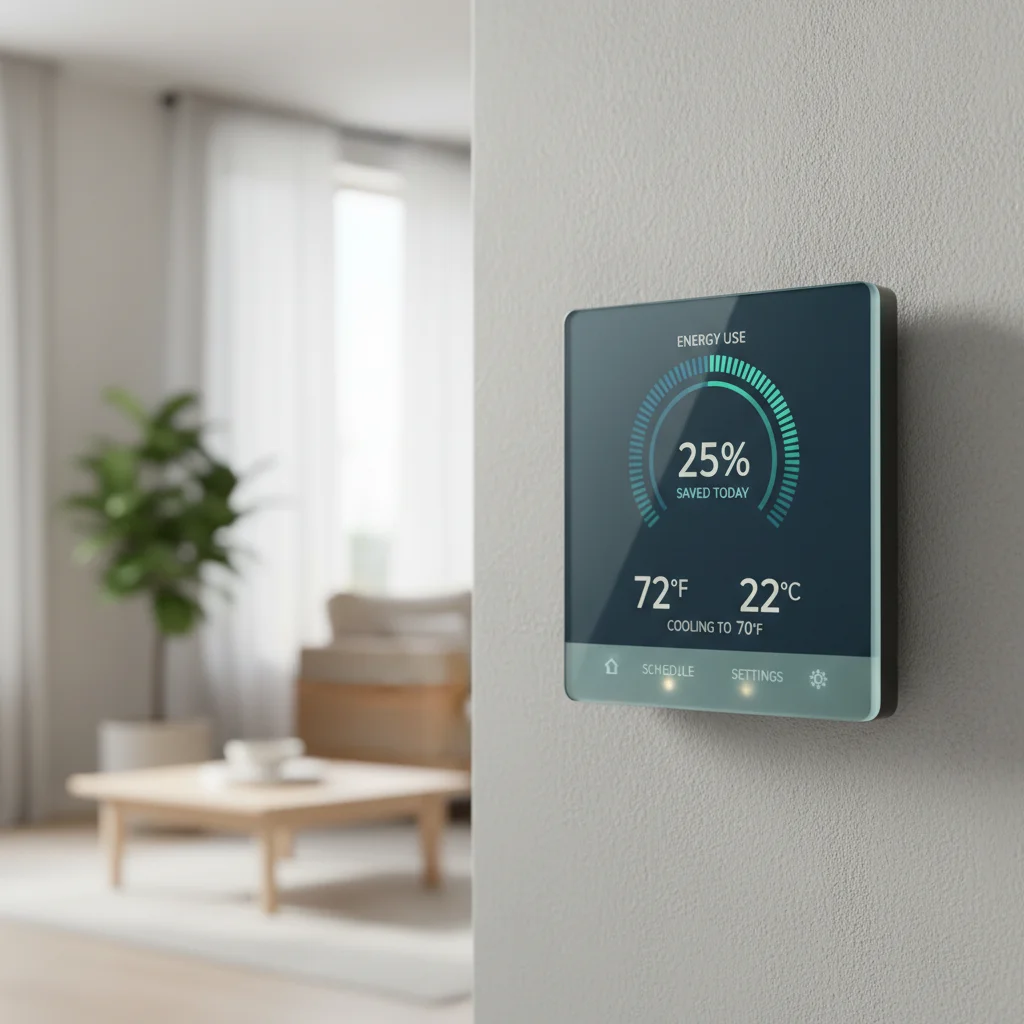
Key considerations for 2026: Seek thermostats with advanced learning algorithms and geofencing capabilities. Compatibility with your HVAC system is crucial, so check for broad support. Look for models that provide detailed energy usage reports and offer integration with utility demand-response programs, which can further optimize energy consumption during peak times. The ability to control multiple zones and integrate with smart window sensors (to prevent cooling an open room, for example) will be key features for maximum efficiency.
4. Comprehensive Smart Security Systems: Peace of Mind, Redefined
Security remains a top priority for homeowners, and 2026’s smart security systems offer unparalleled levels of protection and peace of mind within the Smart Home Ecosystem. These systems are no longer just alarms; they are integrated networks of sensors, cameras, and access controls that work together to monitor, detect, and respond to threats. From smart doorbells with facial recognition to AI-powered surveillance cameras, the technology has become incredibly sophisticated.
Why it’s essential: A robust smart security system provides layered protection for your home and family. It allows for remote monitoring, instant alerts, and even two-way communication with visitors or potential intruders. Beyond deterring crime, these systems can also monitor for environmental hazards like smoke or carbon monoxide, adding another layer of safety. The ability to integrate with smart lighting (to turn on lights if motion is detected) further enhances their effectiveness.
Key considerations for 2026: Prioritize systems with high-definition cameras, robust night vision, and local storage options in addition to cloud storage. Look for AI-powered analytics that can differentiate between pets and people, reducing false alarms. Ensure seamless integration with your central smart home hub and consider systems with professional monitoring options for added security. Smart locks with biometric authentication and temporary access codes are also vital components for a truly comprehensive security setup.
5. Smart Plugs and Power Strips: The Unsung Heroes of Connectivity
While perhaps less glamorous than smart cameras or thermostats, smart plugs and power strips are incredibly versatile and essential components of an optimized Smart Home Ecosystem. They transform ordinary, ‘dumb’ appliances into smart devices, allowing you to control them remotely, schedule their operation, and monitor their energy consumption. Their affordability and ease of installation make them a perfect entry point for expanding your smart home capabilities.
Why it’s essential: Smart plugs bring automation and energy monitoring to appliances that aren’t inherently smart. You can schedule your coffee maker to brew every morning, turn off forgotten lights or fans remotely, or even create ‘away’ routines that randomly turn on lamps to simulate occupancy. The ability to monitor energy usage can also help identify energy-hungry devices and contribute to overall efficiency savings.
Key considerations for 2026: Look for smart plugs that support Matter or your chosen smart home protocol for seamless integration. Energy monitoring capabilities are a must-have feature for optimizing energy consumption. Consider outdoor-rated smart plugs for controlling patio lights or garden fountains. Smart power strips offer the added benefit of controlling multiple devices from a single outlet, making them ideal for entertainment centers or home offices.
6. Smart Appliances with Advanced AI: The Next Generation of Convenience
The latest generation of smart appliances takes convenience to an entirely new level within the Smart Home Ecosystem. From refrigerators that track inventory and suggest recipes to washing machines that optimize cycles based on fabric type and load size, these devices are becoming increasingly intelligent and interconnected. While a significant investment, they offer substantial benefits in terms of time-saving, efficiency, and personalized experiences.
Why it’s essential: Smart appliances automate mundane tasks, streamline household chores, and often contribute to energy and resource conservation. A smart oven, for instance, can preheat remotely or suggest optimal cooking times, while a smart dishwasher can run during off-peak energy hours. Their integration into the broader ecosystem allows for more sophisticated automations, such as your smart oven notifying your smart lights when dinner is ready.
Key considerations for 2026: Focus on appliances that offer genuine utility and integrate well with your existing smart home platform. Look for intelligent features that go beyond basic remote control, such as predictive maintenance, AI-driven optimization, and voice control compatibility. Prioritize brands that offer robust app interfaces and commitment to long-term software support and security updates. While the initial cost may be higher, the long-term benefits in convenience and efficiency can justify the investment.
7. Smart Sensors (Motion, Door/Window, Environmental): The Eyes and Ears of Your Home
Often overlooked but incredibly powerful, a variety of smart sensors serve as the eyes and ears of your Smart Home Ecosystem, providing crucial data that drives automation and enhances security. These include motion sensors, door/window contact sensors, water leak detectors, and environmental sensors that monitor air quality, temperature, and humidity. They are relatively inexpensive but offer immense value.
Why it’s essential: Sensors provide the contextual information that allows your smart home to react intelligently. A motion sensor can trigger lights, a door sensor can alert you to an unexpected opening, and a water leak detector can prevent costly damage. Environmental sensors contribute to a healthier living space by monitoring air quality and triggering air purifiers or humidifiers as needed. They are fundamental to creating a truly responsive and proactive smart home.

Key considerations for 2026: Choose sensors that are small, discreet, and have long battery lives. Ensure they are compatible with your central smart home hub and support open standards like Matter or Thread for reliable communication. Consider the specific needs of your home – do you need to monitor for leaks in the basement, or track occupancy in a particular room? Investing in a diverse range of sensors will unlock the full potential of your smart home automations.
Building Your Optimized Smart Home Ecosystem: A Step-by-Step Approach
Optimizing your Smart Home Ecosystem doesn’t have to happen overnight. It’s a journey that can be approached strategically to maximize benefits and minimize frustration. Here’s a suggested step-by-step approach:
- Start with a Strong Foundation: Begin with a reliable central smart home hub that supports open standards (Matter, Thread) and offers local processing. This will be the backbone of your entire system.
- Address Core Needs First: Prioritize devices that solve immediate problems or offer the most significant benefits. For many, this means smart lighting for aesthetics and energy saving, and a smart thermostat for climate control. Security components like a smart doorbell or entry sensors are also high-priority for peace of mind.
- Ensure Interoperability: As you add devices, always check for compatibility with your chosen hub and other devices. Look for the ‘Works with Matter’ or ‘Thread Certified’ labels to ensure future-proof integration.
- Automate Gradually: Begin with simple automations (e.g., lights on at sunset). As you become more comfortable, explore complex routines that involve multiple devices and conditions (e.g., ‘Good Night’ routine that locks doors, turns off lights, adjusts thermostat, and arms security).
- Monitor and Optimize: Regularly review your energy consumption reports from smart plugs and thermostats. Adjust schedules and routines to further refine efficiency and comfort.
- Prioritize Privacy and Security: Regularly update firmware for all your smart devices. Use strong, unique passwords and enable two-factor authentication wherever possible. Understand how your data is being used and stored.
- Think Long-Term: Consider the scalability of your system. Will your chosen devices and hub be able to accommodate new technologies and expanding needs in the coming years?
The Future of the Smart Home Ecosystem: Beyond 2026
As we look beyond 2026, the Smart Home Ecosystem will continue to evolve at an astonishing pace. We can anticipate even greater integration with AI, leading to more predictive and personalized experiences. Imagine homes that not only react to your presence but anticipate your needs based on subtle cues, emotional states, or even biometric data. Voice control will become even more natural and conversational, and augmented reality interfaces could transform how we interact with our smart environments.
The emphasis on sustainability will also grow, with smart homes becoming even more adept at managing energy, water, and waste. Self-healing networks, where devices can diagnose and even fix minor issues autonomously, are also on the horizon. The goal is to create living spaces that are not just smart, but truly intuitive, supportive, and perfectly attuned to the well-being of their inhabitants.
Conclusion: Embracing the Intelligent Home of Tomorrow
Optimizing your Smart Home Ecosystem in 2026 is about more than just owning the latest gadgets; it’s about strategically integrating technology to create a living space that is more secure, more energy-efficient, and profoundly more convenient. By focusing on essential devices like central hubs, advanced lighting, intelligent thermostats, comprehensive security systems, versatile smart plugs, AI-powered appliances, and a network of smart sensors, you can build a cohesive and powerful smart home that truly enhances your quality of life.
The journey to a fully optimized smart home is ongoing, but by embracing these seven essential devices and adopting a thoughtful approach to integration, you will be well-equipped to navigate the exciting future of home automation. The intelligent home of tomorrow is not a distant dream; it’s a present reality waiting to be unlocked. Start building your optimized Smart Home Ecosystem today and experience the unparalleled benefits of a truly connected life.