Top 3 AI-Powered Apps for Digital Wellness This Quarter

In an increasingly digital world, the lines between our online and offline lives have blurred, leading to both unprecedented convenience and new challenges for our well-being. The constant influx of information, notifications, and screen time can take a toll on our mental health, focus, and overall sense of balance. This is where the burgeoning field of AI digital wellness comes into play, offering innovative solutions to help us navigate the digital landscape more consciously and healthily. Artificial intelligence, once primarily associated with automation and efficiency, is now being harnessed to understand our digital habits, provide personalized insights, and proactively support our journey towards better digital well-being.
The concept of digital wellness extends beyond simply reducing screen time; it encompasses a holistic approach to how we interact with technology. It’s about fostering a healthier relationship with our devices, optimizing our digital environments, and leveraging technology to enhance, rather than detract from, our lives. From managing digital distractions to promoting mindful engagement and even supporting mental health, AI-powered applications are emerging as powerful allies in this endeavor. This quarter, we’ve seen a surge in sophisticated tools that leverage AI to offer truly transformative experiences. These apps go beyond basic timers; they learn from our patterns, adapt to our needs, and provide intelligent recommendations, making them indispensable for anyone serious about improving their digital life.
This article delves into the top three AI-powered apps that are making significant waves in the digital wellness space this quarter. We’ll explore their unique features, how they utilize AI to deliver personalized benefits, and why they stand out in a crowded market. Our goal is to provide you with a comprehensive understanding of how these cutting-edge tools can empower you to take control of your digital habits and foster a more balanced, focused, and fulfilling life. As technology continues to evolve at a rapid pace, staying informed about the best tools available is crucial for maintaining our well-being. Let’s dive in and discover how AI digital wellness can reshape your relationship with the digital world.
Understanding the Evolution of Digital Wellness with AI
Before we dive into specific apps, it’s essential to grasp the fundamental shift that AI brings to digital wellness. Traditionally, digital wellness advice often centered on self-discipline and manual adjustments – setting screen time limits, turning off notifications, or simply unplugging. While these methods remain valuable, AI introduces a new dimension: intelligence and personalization. Instead of a one-size-fits-all approach, AI systems can analyze individual usage patterns, emotional states (through input), and even biometric data to offer tailored interventions and insights. This level of customization is what makes AI digital wellness so potent and effective.
The evolution began with simple tracking apps that merely reported screen time. Then came apps that offered basic blocking functionalities. However, modern AI-powered digital wellness tools are far more sophisticated. They employ machine learning algorithms to identify triggers for excessive use, predict periods of potential digital fatigue, and suggest proactive strategies. For instance, an AI might notice a pattern where your productivity dips after a certain amount of social media usage in the morning and then recommend a ‘focused work’ mode that blocks those specific apps during your peak hours. This predictive and adaptive capability is a game-changer, moving beyond reactive measures to preventative care.
Furthermore, AI facilitates a deeper understanding of our own digital behavior. Many apps now incorporate elements of cognitive behavioral therapy (CBT) and mindfulness, delivered through AI-driven interfaces. They can guide users through breathing exercises, offer prompts for reflection, or even engage in conversational AI to help process digital stress. This integration of psychological principles with advanced technology creates a powerful synergy, empowering users to not only manage their digital habits but also to cultivate greater self-awareness and emotional regulation in the face of constant digital stimuli. The goal is not to demonize technology, but to harness its power to create a more harmonious digital existence, making AI digital wellness a cornerstone of modern well-being.
App 1: Aura – Personalized Mindfulness and Sleep
What is Aura?
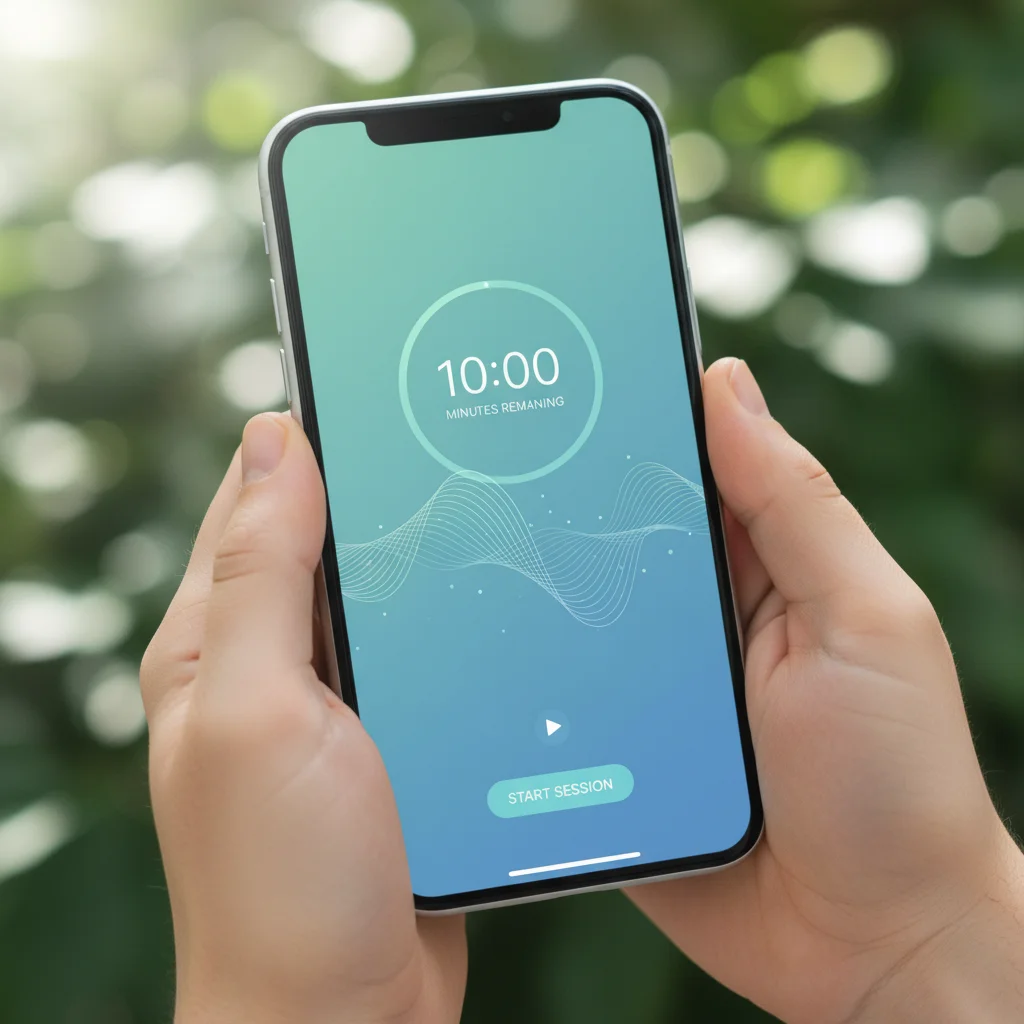
Aura stands out as a leading AI digital wellness platform, primarily focusing on personalized mindfulness, meditation, and sleep improvement. Unlike generic meditation apps that offer a library of pre-recorded sessions, Aura leverages AI to create a truly individualized experience. Upon signing up, users typically answer a series of questions about their current mood, stress levels, and wellness goals. This initial data forms the foundation for Aura’s AI engine to curate a personalized program of content.
How AI Enhances Aura’s Offering
The core of Aura’s innovation lies in its AI-powered recommendation engine. It doesn’t just suggest content based on your initial input; it continuously learns from your engagement. For example, if you consistently rate certain meditations highly or spend more time on specific types of content (e.g., gratitude practices vs. anxiety relief), Aura’s AI adapts its recommendations to align with your evolving preferences and needs. This dynamic learning process ensures that the content you receive is always relevant and maximally effective for your current state of mind. It’s like having a personal mindfulness coach who understands your unique journey.
Beyond content curation, Aura’s AI also analyzes user feedback to optimize session lengths, voice tones, and background music, creating an optimal environment for relaxation and focus. Some advanced features even incorporate biofeedback (if integrated with wearable devices) to fine-tune recommendations further. For sleep, the AI can suggest specific meditations or soundscapes based on your reported sleep quality, helping to establish healthier bedtime routines. This intelligent adaptation is crucial for maintaining engagement and delivering tangible results in the pursuit of AI digital wellness.
Key Features for Digital Wellness
- Personalized Meditations: Short, daily meditations tailored to your mood and goals.
- Sleep Stories & Music: AI-selected audio to help you unwind and fall asleep faster.
- Life Coaching: Access to a vast library of bite-sized coaching sessions on various topics, intelligently recommended.
- Mood Tracker: A simple tool to track your emotional state, which feeds into the AI’s learning algorithm.
- Gratitude Journal: Prompts and space to practice gratitude, a key component of mental well-being.
Aura’s commitment to personalized care through AI makes it an invaluable tool for anyone looking to cultivate greater peace, manage stress, and improve sleep quality in the digital age. It’s a prime example of how AI digital wellness can be effectively implemented to support individual mental health needs.
App 2: Freedom – Intelligent Digital Distraction Blocker
What is Freedom?
Freedom is renowned as one of the most effective digital distraction blockers available, and its recent integrations of AI have elevated it to a new level of sophistication within the AI digital wellness landscape. While its primary function is to block distracting websites and applications across multiple devices, its AI capabilities allow for more intelligent and adaptive management of focus, moving beyond simple ‘on/off’ switches.
How AI Enhances Freedom’s Offering
Traditionally, Freedom required users to manually select what to block and when. While effective, this could be cumbersome. Modern iterations of Freedom, leveraging AI, can learn your peak productivity times and identify common digital distraction patterns. For instance, the AI might observe that you tend to check social media every 15 minutes during a particular work block, or that certain news sites are accessed when you’re feeling overwhelmed. Based on these insights, it can suggest optimal blocking schedules or even dynamic blocking, where distractions are temporarily restricted during periods when the AI detects you need to focus most.
Furthermore, AI helps in providing personalized insights into your distraction habits. Instead of just showing you how much time you spent on a blocked site, Freedom’s AI can analyze *why* you might be drawn to those distractions, offering gentle nudges or suggesting alternative, more productive breaks. It moves from being just a blocker to a digital coach that helps you understand and overcome your digital impulses. This proactive and analytical approach is what truly sets it apart as an AI digital wellness tool for enhancing focus and productivity.
Key Features for Digital Wellness
- Cross-Device Blocking: Blocks distractions across all your devices (Mac, Windows, iOS, Android, Chrome).
- Scheduled Sessions: Set up recurring blocking sessions for work, study, or sleep.
- Locked Mode: Prevents you from ending a session prematurely, reinforcing discipline.
- Custom Blocklists: Personalize which apps and websites are distracting for you.
- AI-Driven Insights (Newer versions): Analyzes usage patterns to suggest optimal focus times and identifies distraction triggers.
- Ambient Sounds: Provides focus-enhancing background sounds to aid concentration during blocked sessions.
Freedom’s intelligent approach to managing digital distractions makes it an indispensable tool for students, professionals, and anyone struggling with maintaining focus in a hyper-connected world. It empowers users to reclaim their attention and build healthier digital habits, embodying the principles of effective AI digital wellness.
App 3: Welltory – AI-Powered Health and Stress Management
What is Welltory?
Welltory is a comprehensive AI digital wellness app that takes a data-driven approach to health and stress management. It integrates with over 120 different data sources, including fitness trackers, smartwatches, and other health apps, to collect a vast amount of physiological and activity data. Its core strength lies in analyzing heart rate variability (HRV) – a key indicator of your autonomic nervous system’s balance – to provide insights into your stress levels, energy, and recovery.
How AI Enhances Welltory’s Offering
Welltory’s AI is incredibly sophisticated, acting as a personal health analyst. It doesn’t just collect data; it interprets it in the context of your daily activities, sleep patterns, exercise, and even reported mood. The AI uses advanced algorithms to identify correlations and patterns that might be invisible to the human eye. For instance, it might notice that your HRV consistently drops after late-night screen time, or that certain types of exercise lead to better recovery on specific days. Based on these insights, it provides personalized recommendations to optimize your routines.
The app’s AI also helps in preventing burnout by providing ‘stress warnings’ when your physiological data suggests you’re overexerting yourself or not getting enough recovery. It can suggest specific actions, such as taking a break, engaging in mindfulness, or adjusting your sleep schedule. This predictive capability is a hallmark of truly effective AI digital wellness, moving beyond simple tracking to offer actionable, preventative advice. By making complex health metrics understandable and actionable, Welltory empowers users to make informed decisions about their lifestyle and digital habits.
Key Features for Digital Wellness
- Heart Rate Variability (HRV) Analysis: Measures your stress, energy, and recovery levels through your phone camera or wearables.
- Personalized Insights: AI-driven recommendations based on your unique data, helping you understand how your habits affect your body.
- Lifestyle Tracking: Integrates data from fitness trackers, sleep apps, and productivity tools for a holistic view.
- Stress Management: Provides warnings and suggestions to help you manage stress and prevent burnout.
- Mindfulness & Breathing Exercises: Offers guided sessions to improve focus and calm.
- Impact of Digital Habits: Helps users see the direct physiological impact of screen time and digital engagement on their stress and energy.
Welltory is an excellent example of how AI can be used to bridge the gap between our digital and physical well-being, offering a scientific foundation for better self-care and a more balanced life. It’s a powerful tool for anyone looking to understand their body’s response to the digital world and optimize their overall health through AI digital wellness.
The Future of AI Digital Wellness: Trends and Predictions
The landscape of AI digital wellness is evolving rapidly, and the apps we’ve discussed are just the beginning. Several key trends are shaping its future, promising even more sophisticated and integrated solutions for our well-being in the digital age. Understanding these trends can help us anticipate how technology will continue to support our health and balance.
Hyper-Personalization and Predictive Analytics
Future AI digital wellness apps will move beyond current personalization to hyper-personalization. This means leveraging even more data points – from emotional tone analysis in digital communications to real-time environmental data – to create incredibly precise and adaptive interventions. Predictive analytics will become even more advanced, allowing AI to anticipate potential stressors or dips in well-being before they occur, offering proactive rather than reactive solutions. Imagine an AI that suggests a short walk or a mindfulness break precisely when your cognitive load is peaking, based on your biometrics and work patterns.
Seamless Integration with Wearables and Smart Environments
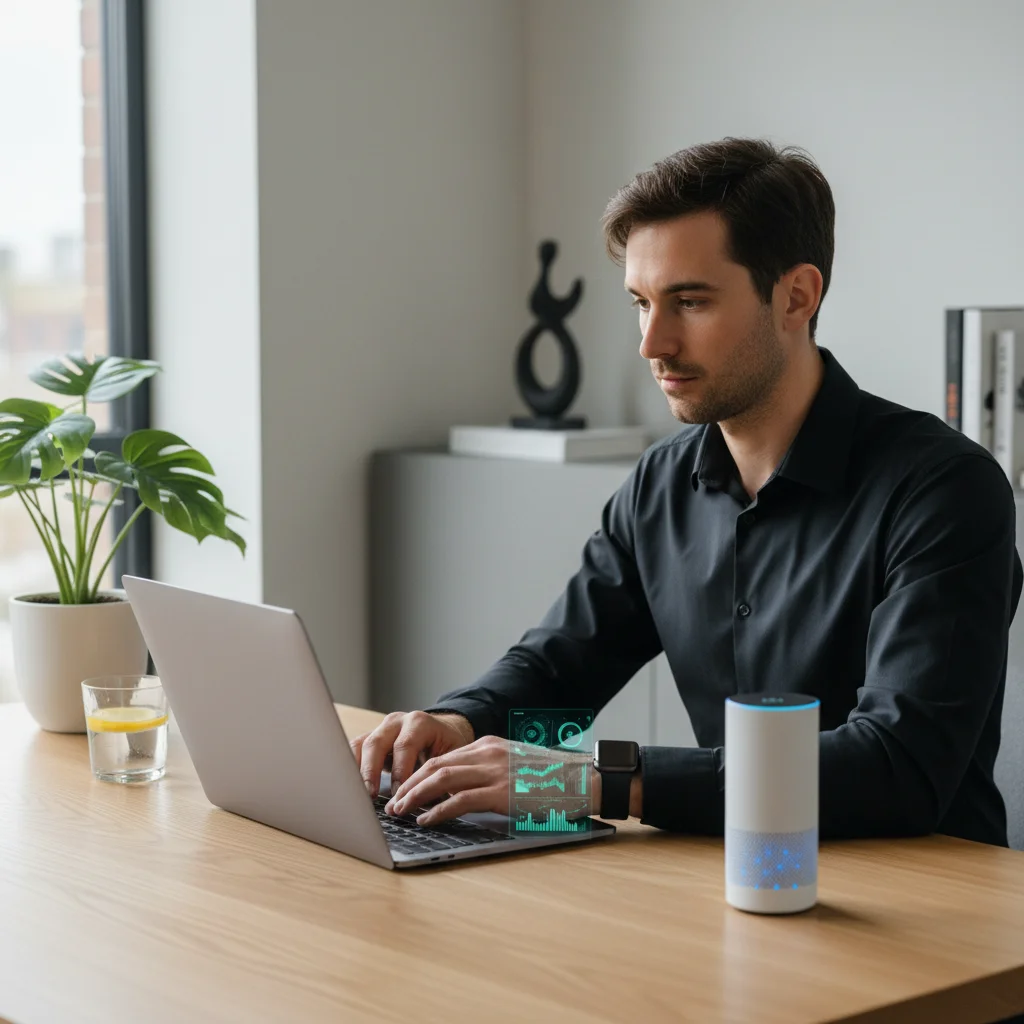
The integration of AI wellness apps with wearables (smartwatches, rings, continuous glucose monitors) and smart home environments will become more seamless. Your smart home might automatically adjust lighting or soundscapes based on your AI-detected stress levels, or your wearable could prompt a specific meditation from an app like Aura when it detects elevated heart rate. This creates an ambient, pervasive layer of wellness support that is always present but never intrusive, making AI digital wellness an integral part of daily living without conscious effort.
Ethical AI and Data Privacy
As AI digital wellness becomes more pervasive and collects more sensitive personal data, the focus on ethical AI development and robust data privacy will intensify. Users will demand greater transparency about how their data is used and more control over their information. Apps will need to implement strong encryption, clear privacy policies, and potentially federated learning approaches where AI models learn from data without directly accessing raw personal information. Trust will be paramount for the widespread adoption of advanced AI wellness solutions.
AI-Powered Digital Detox and Re-engagement
Beyond simply blocking distractions, future AI will assist in more sophisticated digital detox strategies, guiding users through periods of unplugging and then helping them re-engage with technology in a healthier, more intentional way. This could involve AI-curated digital ‘re-entry’ programs that gradually introduce apps and notifications, ensuring a smooth transition back into digital life without falling into old habits. The emphasis will be on teaching sustainable digital habits rather than just enforcing temporary breaks, further solidifying the role of AI digital wellness.
Mental Health Support and Therapeutic AI
The role of AI in mental health support will continue to grow, with more apps incorporating AI-powered chatbots for cognitive behavioral therapy (CBT) techniques, mood tracking with sentiment analysis, and even early detection of mental health issues. While AI will not replace human therapists, it will serve as an accessible and scalable first line of defense and support, complementing traditional care. This evolution will make advanced mental well-being tools more accessible to a broader population, driven by the innovations in AI digital wellness.
These trends paint a picture of a future where AI is not just a tool for efficiency, but a compassionate companion in our quest for well-being, helping us navigate the complexities of modern life with greater ease and balance. The potential for AI to transform our relationship with technology and ourselves is immense, promising a future where digital and human flourishing go hand in hand.
Implementing AI Digital Wellness into Your Routine
Adopting AI digital wellness apps into your daily routine doesn’t have to be an overwhelming task. The key is to start small, be consistent, and allow the AI to learn and adapt to your unique needs. Here’s a practical guide to effectively integrating these powerful tools into your life:
1. Identify Your Primary Digital Wellness Goal
Before downloading every app, consider what aspect of your digital wellness you want to improve most. Is it reducing screen time, improving focus, managing stress, or getting better sleep? Identifying your main goal will help you choose the most relevant app to start with. For instance, if focus is your priority, Freedom might be your first choice. If stress and sleep are paramount, Aura or Welltory could be more suitable. A clear objective will make your adoption more targeted and effective.
2. Start with One App and Give It Time
Resist the urge to try all three apps at once. Start with one that aligns with your primary goal. Dedicate at least a few weeks to consistently using it. This allows the AI to gather sufficient data about your habits and preferences, leading to more accurate and personalized insights. Remember, AI learns from your interactions, so consistent input is crucial for it to become truly effective as a AI digital wellness tool.
3. Engage Actively with the App’s Features
Don’t just let the app run in the background. Actively engage with its features. If it has a mood tracker, use it daily. If it provides recommendations, try them out. Provide feedback when prompted, as this helps the AI refine its understanding of your needs. The more you interact, the better the AI can serve you. For example, if Aura suggests a meditation, try it and rate it. If Freedom suggests a blocking schedule, adhere to it and observe the impact on your productivity.
4. Be Mindful of Notifications and Settings
While these apps are designed for wellness, they still generate notifications. Take time to customize their notification settings to ensure they are helpful and not another source of distraction. The goal is to reduce digital overload, not to replace one set of notifications with another. Configure them to be subtle and timely, offering nudges rather than interruptions, aligning with the core principle of AI digital wellness.
5. Reflect and Adjust Regularly
Digital wellness is an ongoing journey. Regularly reflect on how the app is impacting your habits and well-being. Are you more focused? Sleeping better? Feeling less stressed? Based on your observations, adjust your app settings or explore different features. For example, if Welltory’s insights suggest a specific activity is draining your energy, you might adjust your schedule or try a different approach. This iterative process of reflection and adjustment is key to maximizing the benefits of AI digital wellness tools.
6. Combine with Non-Digital Practices
Remember that AI digital wellness apps are tools to support your journey, not replacements for fundamental self-care practices. Combine their use with non-digital activities like spending time in nature, engaging in hobbies, connecting with loved ones, and maintaining a healthy diet and exercise routine. The most effective approach integrates technology thoughtfully into a balanced lifestyle, using AI to enhance existing good habits rather than creating dependency.
By following these steps, you can harness the power of AI digital wellness to create a more balanced, focused, and healthy relationship with technology, ultimately leading to a more fulfilling life.
Conclusion: Embracing a Healthier Digital Future with AI
The digital age, while offering unparalleled connectivity and information, has also introduced complex challenges to our mental and physical well-being. The constant barrage of notifications, the allure of endless scrolling, and the pressure to always be ‘on’ can lead to digital fatigue, stress, and diminished focus. However, as we have explored, the emergence of AI digital wellness apps offers a powerful antidote, transforming our relationship with technology from one of passive consumption to active, intentional engagement.
The three apps highlighted – Aura, Freedom, and Welltory – exemplify the cutting edge of this movement. Aura provides personalized mindfulness and sleep support, adapting to your emotional state to deliver tailored meditations and sleep aids. Freedom acts as an intelligent guardian of your focus, using AI to understand and mitigate your unique distraction patterns across all devices. Welltory offers a scientific, data-driven approach to stress and energy management, translating complex physiological data into actionable insights for a healthier lifestyle. Each of these tools, in its own domain, leverages the power of artificial intelligence to move beyond generic advice, offering truly personalized and proactive support for our well-being.
The future of AI digital wellness is bright, promising even more sophisticated hyper-personalization, seamless integration with our environments, and ethically sound data management. These advancements will empower us to not only manage the downsides of digital life but to actively leverage technology as a force for good in cultivating mental clarity, emotional balance, and physical vitality. The goal is not to escape technology, but to master it, making it serve our highest good.
By thoughtfully integrating these AI-powered tools into our routines, we can reclaim our attention, reduce stress, improve sleep, and foster a more intentional and joyful digital existence. The journey towards optimal digital wellness is ongoing, but with the right AI companions, we are well-equipped to navigate its complexities and emerge healthier and more balanced. Embrace these innovations, and take the proactive step towards a more mindful and digitally well future.