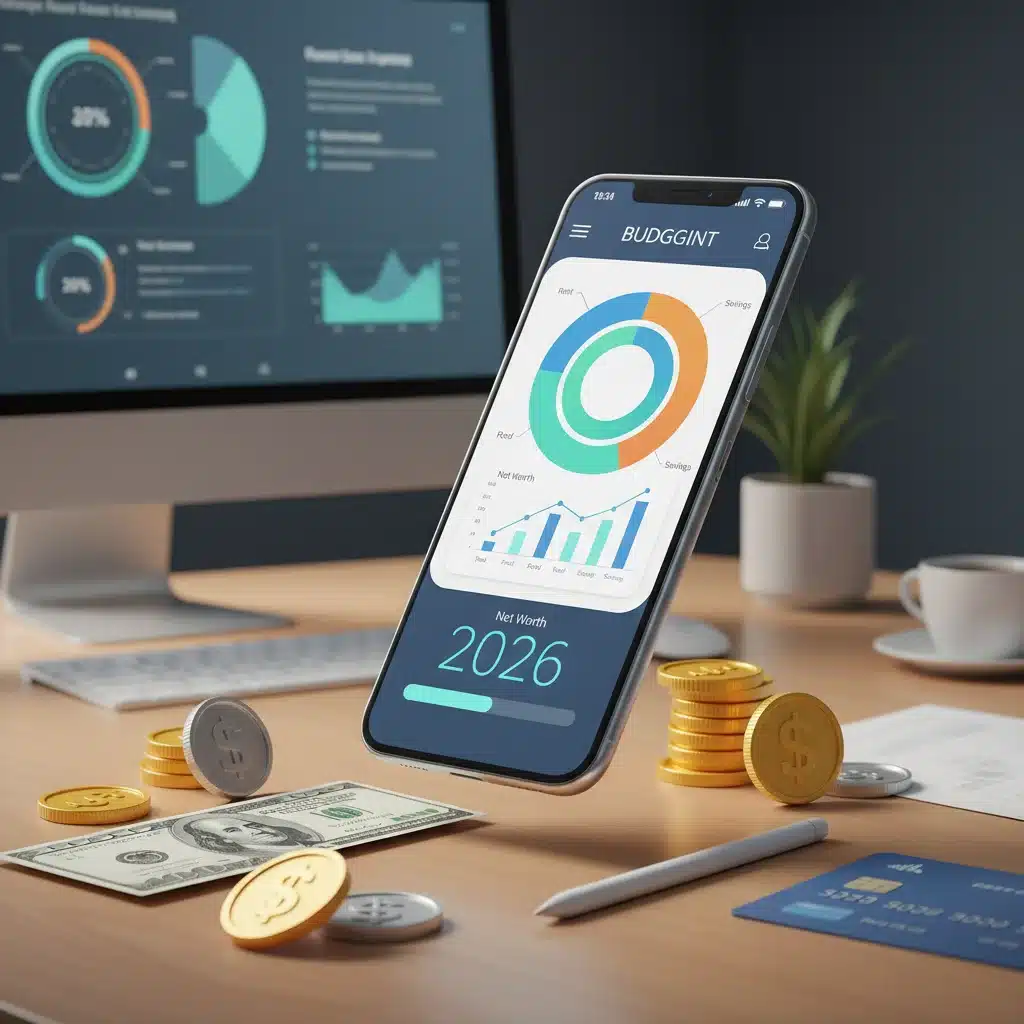
In an increasingly digital world, managing personal finances has evolved from ledger books and spreadsheets to sophisticated mobile applications. For US users, the landscape of financial technology (fintech) is particularly dynamic, with new innovations constantly emerging. As we look towards 2026, the demand for robust, secure, and feature-rich best budgeting apps continues to grow. This comprehensive review dives deep into the top three contenders, scrutinizing their data security measures, feature updates, and overall utility for the modern American consumer. Choosing the right budgeting app is not just about tracking expenses; it’s about gaining financial clarity, achieving savings goals, and protecting your sensitive financial information.
The digital age has brought unparalleled convenience to personal finance, yet it also introduces complexities, particularly concerning data privacy and security. When evaluating the best budgeting apps, these factors are paramount. Users need assurance that their bank account details, transaction history, and personal identification information are safeguarded against cyber threats. Beyond security, an app’s feature set must align with diverse financial habits and goals, offering everything from automated expense tracking to investment insights. This article aims to equip you with the knowledge to make an informed decision, ensuring your chosen budgeting tool is not only effective but also trustworthy.
Let’s embark on this journey to discover which budgeting apps stand out in 2026, helping you navigate your financial future with confidence.
The Evolving Landscape of Budgeting Apps in 2026
The personal finance sector has witnessed rapid transformation, driven by technological advancements and shifting consumer expectations. In 2026, budgeting apps are no longer simple expense trackers; they are comprehensive financial ecosystems. Artificial intelligence (AI) and machine learning (ML) play significant roles, offering predictive insights, personalized recommendations, and automated financial planning. Open banking initiatives have also made it easier for these apps to securely connect with various financial institutions, providing a holistic view of a user’s financial health.
For US users, regulatory frameworks such as the Consumer Financial Protection Bureau (CFPB) guidelines influence how these apps operate, particularly regarding data handling and consumer protection. This regulatory environment, combined with fierce competition, pushes developers to continuously innovate, enhance security, and refine user experience. The focus has broadened from mere budgeting to encompass wealth building, debt management, and even tax preparation integrations, making the best budgeting apps indispensable tools for financial empowerment.
Key Trends Shaping Budgeting Apps
- Hyper-Personalization: AI-driven insights offer tailored budgeting advice, spending pattern analysis, and goal tracking.
- Enhanced Security Protocols: Multi-factor authentication, end-to-end encryption, and biometric logins are standard.
- Seamless Integration: Connectivity with banks, credit cards, investment platforms, and even cryptocurrency exchanges.
- Gamification of Finance: Engaging features that make saving and budgeting more interactive and rewarding.
- Financial Wellness Focus: Tools that extend beyond budgeting to include debt payoff strategies, credit score monitoring, and investment guidance.
Understanding these trends is crucial for appreciating the advancements in the apps we are about to review. It sets the stage for what users can expect from the leading solutions in 2026.
Reviewing the Top 3 Best Budgeting Apps for US Users
Our selection criteria for the best budgeting apps are rigorous, focusing on a blend of robust security, innovative features, user-friendliness, and positive user feedback. We’ve meticulously analyzed numerous platforms to bring you the crème de la crème for 2026. Each app offers a unique value proposition, catering to different financial needs and preferences.
1. Empower (Formerly Personal Capital)
Empower has long been a favorite among US users, particularly those with a focus on investment tracking and long-term financial planning, alongside daily budgeting. In 2026, Empower continues to solidify its position as a top-tier financial management tool, especially for high-net-worth individuals and those seeking a comprehensive view of their entire financial portfolio.
Data Security and Privacy in Empower (2026)
Empower’s commitment to data security remains a cornerstone of its service. In 2026, they have further enhanced their security framework:
- Advanced Encryption: All data transmitted and stored is protected with AES-256 encryption, the same level used by banks.
- Multi-Factor Authentication (MFA): Mandatory MFA, including biometric options (fingerprint, facial recognition), adds an extra layer of protection.
- Read-Only Access: Empower uses read-only access to link your accounts, meaning it cannot move money or execute transactions. This significantly reduces the risk of unauthorized activity.
- Regular Security Audits: Independent third-party audits are conducted annually to identify and patch potential vulnerabilities.
- Privacy Policy Updates: Empower’s privacy policy is transparent, clearly outlining how user data is collected, used, and protected, with regular updates to reflect current regulations and best practices.
These measures ensure that users can link their bank accounts, investment portfolios, and other financial accounts with peace of mind, knowing their data is secure.
Feature Updates in Empower (2026)
Empower has rolled out several significant updates for 2026, making it an even more powerful tool:
- Enhanced Retirement Planner: More granular control over investment scenarios, tax implications, and withdrawal strategies.
- AI-Powered Spending Insights: Sophisticated AI now analyzes spending patterns to identify areas for savings and offers personalized recommendations for optimizing cash flow.
- Integrated Crypto Tracking: Users can now link major cryptocurrency exchange accounts to get a consolidated view of their digital asset portfolio alongside traditional investments.
- Improved Net Worth Calculator: Real-time updates and more detailed breakdowns of assets and liabilities, including real estate valuations through partnerships with property data providers.
- Financial Advisor Access (Premium): For users with higher asset values, enhanced access to human financial advisors for personalized wealth management strategies.
Empower excels for users who need more than just a budgeting app; it’s a wealth management platform that helps orchestrate their entire financial life. Its robust security and continuous feature enhancements make it a formidable choice among the best budgeting apps.
2. YNAB (You Need A Budget)
YNAB stands out for its unique budgeting philosophy: ‘Give every dollar a job.’ This zero-based budgeting approach has a cult following and consistently helps users gain control over their spending and achieve financial goals. In 2026, YNAB remains committed to its core principles while evolving its platform to meet modern demands.
Data Security and Privacy in YNAB (2026)
YNAB places a high priority on the security of its users’ financial data:
- Bank-Level Security: Utilizes 256-bit encryption for data in transit and at rest, matching industry standards.
- Strict Access Controls: Internal access to user data is highly restricted and regularly audited.
- Third-Party Security Audits: YNAB undergoes regular independent security assessments to ensure compliance and identify vulnerabilities.
- Data Anonymization: For analytical purposes, data is often anonymized and aggregated, ensuring individual user privacy.
- Transparent Data Handling: YNAB’s privacy policy clearly articulates its data handling practices, emphasizing user control over their information.
The app’s focus on secure direct bank connections and its commitment to not selling user data reinforces its trustworthiness, a critical factor when choosing the best budgeting apps.
Feature Updates in YNAB (2026)
YNAB’s 2026 updates focus on refining its core budgeting experience and expanding its utility:
- Enhanced Goal Tracking: More flexible and dynamic goal setting, allowing users to adjust targets easily and visualize progress more effectively.
- Improved Reporting Tools: New customizable reports provide deeper insights into spending trends, income sources, and net worth changes over time.
- Smarter Transaction Matching: AI-driven improvements in transaction categorization and matching reduce manual effort and increase accuracy.
- Educational Content Integration: Direct access to YNAB’s extensive library of budgeting workshops, articles, and webinars within the app, empowering users with financial literacy.
- Community Features: Introduction of optional, secure community forums or groups within the app for users to share tips and support each other, fostering a sense of shared financial journey.
YNAB is ideal for those who are serious about adopting a proactive budgeting methodology and need a tool that actively guides them. Its robust security and commitment to its core philosophy make it one of the best budgeting apps for intentional spenders.
3. Mint (by Intuit)
Mint, a long-standing veteran in the budgeting app space, continues to be a popular choice for US users due to its comprehensive free offering and user-friendly interface. Backed by Intuit, the company behind TurboTax and QuickBooks, Mint leverages a vast ecosystem of financial tools. In 2026, Mint focuses on streamlining its experience and integrating more deeply with other Intuit products.
Data Security and Privacy in Mint (2026)
As part of Intuit, Mint benefits from enterprise-level security protocols:
- Robust Encryption: Utilizes 128-bit SSL encryption for data transmission and advanced encryption for data at rest.
- Physical and Digital Safeguards: Intuit employs extensive physical security measures for its servers and implements state-of-the-art firewalls and intrusion detection systems.
- Security Scanning: Regular vulnerability scanning and penetration testing are conducted by internal and external teams.
- Identity Verification: Strong identity verification processes are in place to prevent unauthorized account access.
- Intuit’s Privacy Commitment: Mint adheres to Intuit’s overarching privacy policy, which emphasizes responsible data handling and compliance with relevant regulations like the California Consumer Privacy Act (CCPA).
While Mint has faced scrutiny regarding data sharing in the past, Intuit has made significant strides in enhancing transparency and user control over their data, making it a more secure option among the best budgeting apps.
Feature Updates in Mint (2026)
Mint’s 2026 updates are geared towards a more integrated and insightful user experience:
- Predictive Budgeting: AI-driven predictions for future spending based on historical data, helping users anticipate financial needs.
- Enhanced Bill Tracking and Reminders: More intuitive bill management, with automatic detection of recurring bills and customizable reminders to avoid late fees.
- Credit Score Monitoring Improvements: More frequent updates and detailed explanations of credit score changes, alongside personalized advice for improvement.
- Deeper Intuit Ecosystem Integration: Seamless data transfer with TurboTax for tax preparation and QuickBooks for small business owners, simplifying financial reporting.
- Personalized Financial Advice Engine: An AI-powered engine offers tailored recommendations for saving, debt reduction, and investment opportunities based on individual financial profiles.
Mint remains an excellent entry point for those new to budgeting or who prefer a free, feature-rich solution. Its integration with the broader Intuit ecosystem makes it particularly appealing for users already utilizing other Intuit products. It continues to be a strong contender for the title of best budgeting apps for a broad user base.
Crucial Considerations for US Users in 2026
Beyond the features and security of individual apps, US users need to consider several broader factors when selecting their budgeting tool. The financial landscape is constantly shifting, and what works today might be different tomorrow.
Data Security: Beyond Encryption
While encryption is fundamental, true data security encompasses more. Look for apps that offer:
- Zero-Knowledge Encryption: Where even the app provider cannot access your most sensitive data.
- Bug Bounty Programs: Demonstrates a proactive approach to security by incentivizing ethical hackers to find vulnerabilities.
- Regular Penetration Testing: Independent experts attempt to breach the system to identify weaknesses.
- Transparent Incident Response Plans: How an app communicates and resolves security breaches, should they occur.
- Compliance with US Regulations: Adherence to financial data protection laws like GLBA (Gramm-Leach-Bliley Act) and state-specific privacy laws.
The best budgeting apps will not only boast strong encryption but also a comprehensive security posture that includes these elements.
Feature Updates and Future-Proofing
The fintech world moves fast. An app that rests on its laurels will quickly become obsolete. Consider:
- Development Roadmap: Does the company regularly announce upcoming features or improvements?
- User Feedback Integration: How responsive is the developer to user suggestions and bug reports?
- Adaptability to New Technologies: Is the app capable of integrating with emerging financial technologies, such as new payment systems or digital currencies?
- Subscription Model Value: If it’s a paid app, are the continuous updates and premium features worth the recurring cost?
Choosing an app that consistently innovates ensures you’re investing in a tool that will remain relevant and effective for years to come. The best budgeting apps are those that evolve with their users’ needs.
User Experience and Support
An app can have all the features in the world, but if it’s difficult to use, it won’t be effective. Evaluate:
- Intuitive Interface: Is it easy to navigate, understand, and interact with?
- Customer Support: What channels are available (email, chat, phone), and how responsive are they?
- Community and Resources: Does the app offer educational materials, forums, or tutorials to help users maximize its utility?
- Accessibility: Does it cater to users with disabilities, offering features like screen reader compatibility?
A seamless user experience and reliable support are critical for long-term engagement and success with any budgeting tool.
Making Your Choice: Which App is Right for You?
Deciding on the best budgeting apps ultimately comes down to your individual financial situation, goals, and personal preferences. Here’s a quick guide to help you:
- Choose Empower if: You have a complex financial portfolio, including investments and retirement accounts, and you need a holistic view of your wealth, potentially with access to financial advisors. You prioritize sophisticated analytics and long-term financial planning.
- Choose YNAB if: You want a structured, proactive budgeting system that teaches you to be intentional with every dollar. You’re willing to commit to its methodology and desire a strong sense of control over your spending.
- Choose Mint if: You’re looking for a free, comprehensive tool to track expenses, monitor bills, and get a general overview of your financial health. You appreciate integrations with other Intuit products for tax or business purposes.
Each of these best budgeting apps offers a free trial or a free version, allowing you to test them out before making a long-term commitment. It’s highly recommended to experiment with one or two that pique your interest to see which one best fits your workflow and financial habits.
The Future of Budgeting: What’s Next?
Looking beyond 2026, the evolution of budgeting apps is set to continue at a rapid pace. We can anticipate even greater integration with AI, leading to more predictive and prescriptive financial guidance. Imagine an app that not only tells you where your money went but also intelligently suggests optimal investment strategies based on real-time market data and your personal risk tolerance, or automatically adjusts your budget categories based on anticipated life events.
The rise of Web3 and decentralized finance (DeFi) could also introduce new ways for budgeting apps to interact with digital assets and smart contracts, offering unparalleled transparency and control over one’s finances without traditional intermediaries. Furthermore, increased focus on financial literacy and behavioral economics will likely see apps incorporating more psychological nudges and educational content to foster healthier financial habits.
Ultimately, the goal of the best budgeting apps will remain the same: to empower individuals to achieve financial freedom and peace of mind. As technology advances, these tools will only become more sophisticated, intuitive, and integral to our daily lives.
Conclusion
In the dynamic world of personal finance, selecting the right budgeting app is a pivotal step towards achieving financial stability and growth. For US users in 2026, Empower, YNAB, and Mint stand out as the top contenders, each offering a unique blend of features, robust security, and a commitment to helping you manage your money effectively. Whether you’re an investor seeking comprehensive wealth management, a diligent budgeter embracing the ‘zero-based’ philosophy, or someone looking for a free, all-in-one financial overview, there’s an app tailored to your needs.
Remember to prioritize data security, evaluate feature updates for long-term relevance, and choose an app that offers an intuitive user experience and reliable support. By carefully considering these factors, you can confidently select one of the best budgeting apps that will serve as a powerful ally in your financial journey for years to come. Take control of your finances today and pave the way for a secure and prosperous tomorrow.