Mobile AI Innovations 2026: Transforming US Productivity

The Top 5 Mobile AI Innovations Transforming US Productivity in 2026: An Insider’s Look at Recent Updates
The landscape of technology is in a perpetual state of flux, but few areas are evolving as rapidly and profoundly as Artificial Intelligence (AI), particularly within the mobile sector. As we hurtle towards 2026, the integration of AI into our mobile devices is no longer a futuristic fantasy but a tangible reality, poised to redefine the very fabric of US productivity. From enhancing personal efficiency to revolutionizing corporate operations, Mobile AI Productivity is becoming the cornerstone of a more streamlined, intelligent, and responsive future. This article delves into the five most impactful mobile AI innovations that are not only on the horizon but are already showing significant promise in transforming how Americans live and work.
The advent of powerful processors in smartphones, coupled with advancements in machine learning algorithms, has unlocked unprecedented capabilities. These aren’t just incremental improvements; they represent a paradigm shift, enabling devices to understand, predict, and assist users in ways previously unimaginable. We’re talking about AI that learns your habits, anticipates your needs, and proactively offers solutions, all from the palm of your hand. The implications for productivity, both at an individual and national level, are monumental.
This deep dive will explore these transformative innovations, providing an insider’s perspective on their current state, projected evolution, and the profound impact they are expected to have on various sectors across the United States. Prepare to uncover the technologies that will shape our working lives and personal efficiencies in the very near future.
1. Hyper-Personalized AI Assistants: Beyond Siri and Google Assistant
While voice assistants like Siri, Google Assistant, and Alexa have become commonplace, the next generation of mobile AI assistants is set to transcend simple command execution. By 2026, we anticipate hyper-personalized AI assistants that possess a deep understanding of individual user contexts, preferences, and even emotional states. These advanced assistants will leverage on-device machine learning to process vast amounts of personal data – from calendar entries and email communications to browsing history and biometric feedback – to offer truly proactive and intelligent support, significantly boosting Mobile AI Productivity.
Recent Updates and Capabilities:
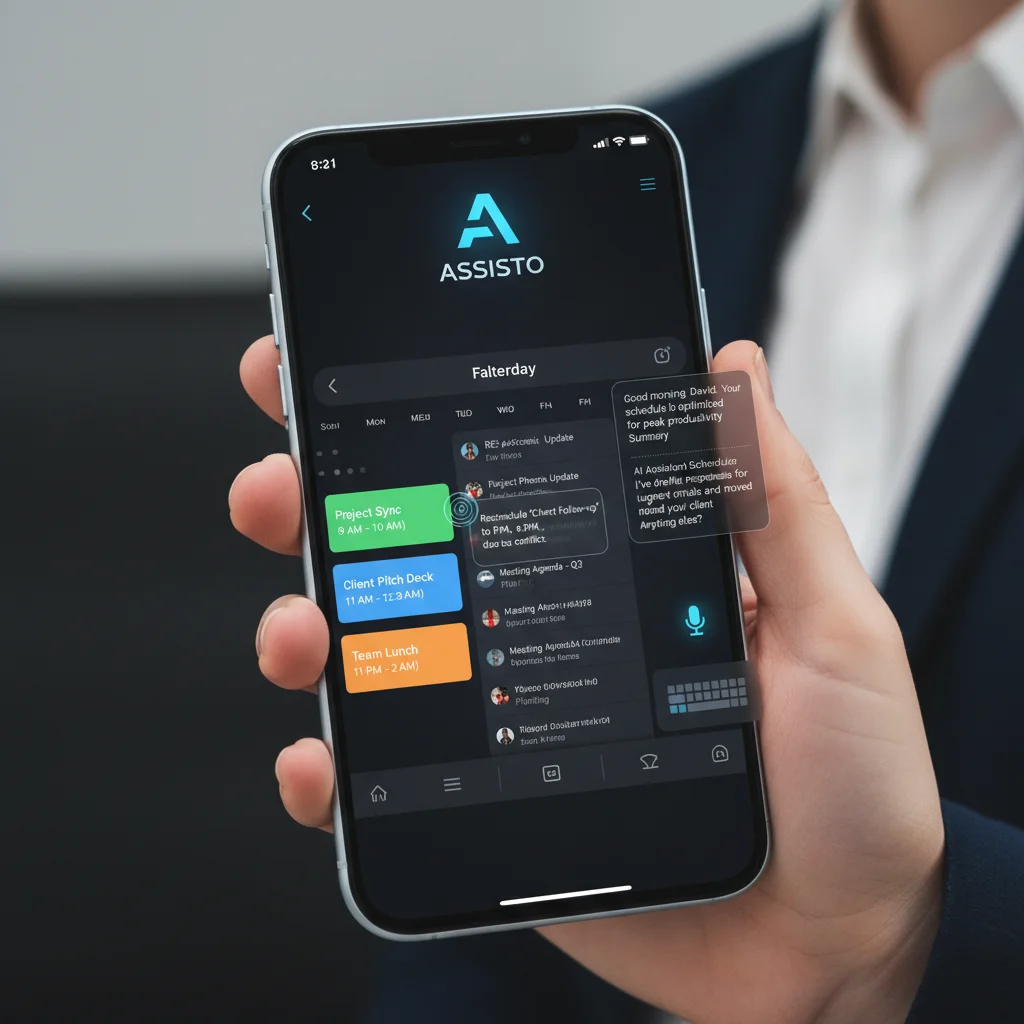
- Predictive Scheduling and Task Management: Imagine an AI assistant that not only reminds you of an upcoming meeting but also analyzes traffic patterns, cross-references your current location, and suggests the optimal time to leave, automatically rescheduling minor tasks if delays are unavoidable. It could also prioritize your daily to-do list based on deadlines, importance, and your personal energy levels throughout the day.
- Contextual Information Retrieval: These assistants will excel at understanding nuanced requests. Instead of just searching for ‘restaurants near me,’ a hyper-personalized AI could recommend dining options based on your past preferences, dietary restrictions, the occasion, and even the preferences of people you’re meeting, all learned through continuous interaction.
- Proactive Communication Management: For professionals, managing communication is a significant time sink. Future AI assistants will be able to draft email responses, summarize lengthy threads, filter out non-essential notifications, and even suggest optimal times to respond to critical messages based on recipient availability and urgency. This level of automation frees up valuable time for more strategic work, directly contributing to enhanced Mobile AI Productivity.
- Wellness and Productivity Integration: Beyond work, these assistants will integrate with health and wellness apps, suggesting breaks, mindfulness exercises, or even hydration reminders based on your activity levels and stress indicators, ensuring a holistic approach to productivity.
The key differentiator for these next-gen assistants is their ability to learn and adapt continuously without constant explicit instruction. They will move from being reactive tools to proactive partners, anticipating needs and offering solutions before you even realize you need them. This evolution represents a monumental leap in personal and professional efficiency, making our mobile devices indispensable allies in the quest for optimal Mobile AI Productivity.
2. On-Device Edge AI for Enhanced Data Security and Performance
While cloud-based AI offers immense processing power, it often comes with concerns regarding data privacy, latency, and reliance on internet connectivity. The second major innovation driving Mobile AI Productivity is the proliferation of on-device or ‘edge’ AI. This involves performing AI computations directly on the smartphone’s powerful neural processing units (NPUs) rather than sending data to remote servers. This approach offers significant advantages in terms of speed, security, and efficiency.
Recent Updates and Capabilities:
- Real-time Language Translation and Transcription: Imagine attending an international conference or collaborating with global teams where your mobile device provides real-time, highly accurate, and private translation of conversations or documents, all processed locally without data leaving your device. This eliminates latency and ensures sensitive information remains secure.
- Advanced Image and Video Processing: On-device AI enables sophisticated computational photography, real-time video analysis for security applications, and intelligent content creation without the need for constant cloud uploads. This means faster processing of visual data for tasks like document scanning, object recognition, and even augmented reality applications that enhance field productivity.
- Enhanced Biometric Security: Facial recognition, fingerprint scanning, and voice authentication are already common, but edge AI takes these to the next level. It allows for more robust, adaptive, and spoof-resistant biometric systems, enhancing the security of mobile transactions and access to sensitive information, which is crucial for business Mobile AI Productivity.
- Personalized Machine Learning Models: Instead of relying on generic cloud models, on-device AI allows for the training of personalized machine learning models tailored to individual user behavior and data patterns. This leads to more accurate predictions, better recommendations, and a more responsive user experience, all while keeping personal data private.
The shift towards edge AI is not just about performance; it’s fundamentally about trust and autonomy. By keeping sensitive data on the device, users and businesses gain greater control over their information, mitigating risks associated with data breaches and ensuring compliance with stringent privacy regulations. This secure and efficient processing capability is a cornerstone of future Mobile AI Productivity advancements.
3. Augmented Reality (AR) Powered Workflows and Training
Augmented Reality (AR), once primarily a novelty for gaming, is rapidly maturing into a powerful tool for boosting Mobile AI Productivity across various industries. By overlaying digital information onto the real world through a smartphone camera, AR applications are transforming how we interact with our environment, conduct training, and perform complex tasks.
Recent Updates and Capabilities:
- Field Service and Maintenance: Technicians can use AR apps on their phones to visualize repair instructions, identify faulty components, or access real-time data overlays on machinery. This reduces errors, speeds up diagnostics, and minimizes the need for extensive prior training, making field operations significantly more efficient.
- Immersive Training and Education: AR-powered mobile apps can provide interactive, hands-on training simulations for employees in manufacturing, healthcare, or logistics. New hires can practice complex procedures in a safe, guided environment, leading to faster skill acquisition and reduced training costs, directly impacting Mobile AI Productivity.
- Retail and Merchandising Optimization: In retail, AR allows store managers to visualize planograms, optimize shelf layouts, or even simulate new product placements directly through their phone’s camera. Customers can also use AR to visualize furniture in their homes or try on clothes virtually, enhancing the shopping experience and reducing returns.
- Architecture, Engineering, and Construction (AEC): Professionals in the AEC sector can use AR to overlay BIM (Building Information Modeling) data onto physical construction sites, visualize designs in real-time, or identify potential clashes before they become costly problems. This streamlines project management and reduces rework, a massive boost to Mobile AI Productivity in these industries.
The integration of AI into AR applications is what truly unlocks their potential. AI can analyze user movements, environmental conditions, and task progress to provide intelligent guidance, adapt AR overlays in real-time, and even predict potential issues. This synergy makes AR not just a visual aid but an intelligent assistant for complex physical tasks, fundamentally altering workflows and dramatically increasing Mobile AI Productivity.
4. AI-Enhanced Mobile Collaboration Tools
The modern workforce is increasingly distributed, making effective collaboration crucial for productivity. Mobile AI is poised to revolutionize collaboration tools, making remote and hybrid workforces more cohesive, efficient, and productive. These innovations go beyond simple video conferencing, leveraging AI to enhance every aspect of team interaction.
Recent Updates and Capabilities:
- Intelligent Meeting Summarization and Action Item Extraction: AI-powered mobile collaboration apps will automatically transcribe meetings, summarize key discussion points, identify action items, and assign them to relevant team members. This eliminates the need for manual note-taking and ensures that decisions are captured and acted upon promptly, significantly boosting Mobile AI Productivity.
- Real-time Sentiment Analysis and Engagement Monitoring: During virtual meetings, AI can analyze vocal tones, facial expressions (with consent), and chat interactions to gauge participant engagement and sentiment. This provides hosts with valuable insights, allowing them to adjust their presentation or intervene if a team member seems disengaged or confused, fostering better communication.
- Dynamic Document Co-creation and Version Control: Mobile AI will facilitate seamless co-creation of documents, presentations, and spreadsheets, offering intelligent suggestions for content, formatting, and even stylistic improvements based on team guidelines. AI-driven version control will track changes, highlight conflicts, and suggest optimal merges, minimizing friction in collaborative projects.
- Personalized Information Filtering and Delivery: In large teams, information overload is a common problem. AI-enhanced collaboration platforms will learn individual team members’ roles, priorities, and communication styles to filter out irrelevant information and highlight critical updates, ensuring everyone receives the right information at the right time.
By automating mundane tasks and providing intelligent insights into team dynamics, these AI-enhanced mobile collaboration tools will foster a more efficient, inclusive, and productive work environment, regardless of geographical location. They are central to unlocking the full potential of distributed teams and are a critical component of future Mobile AI Productivity gains.
5. Predictive Analytics and Proactive Problem Solving on Mobile
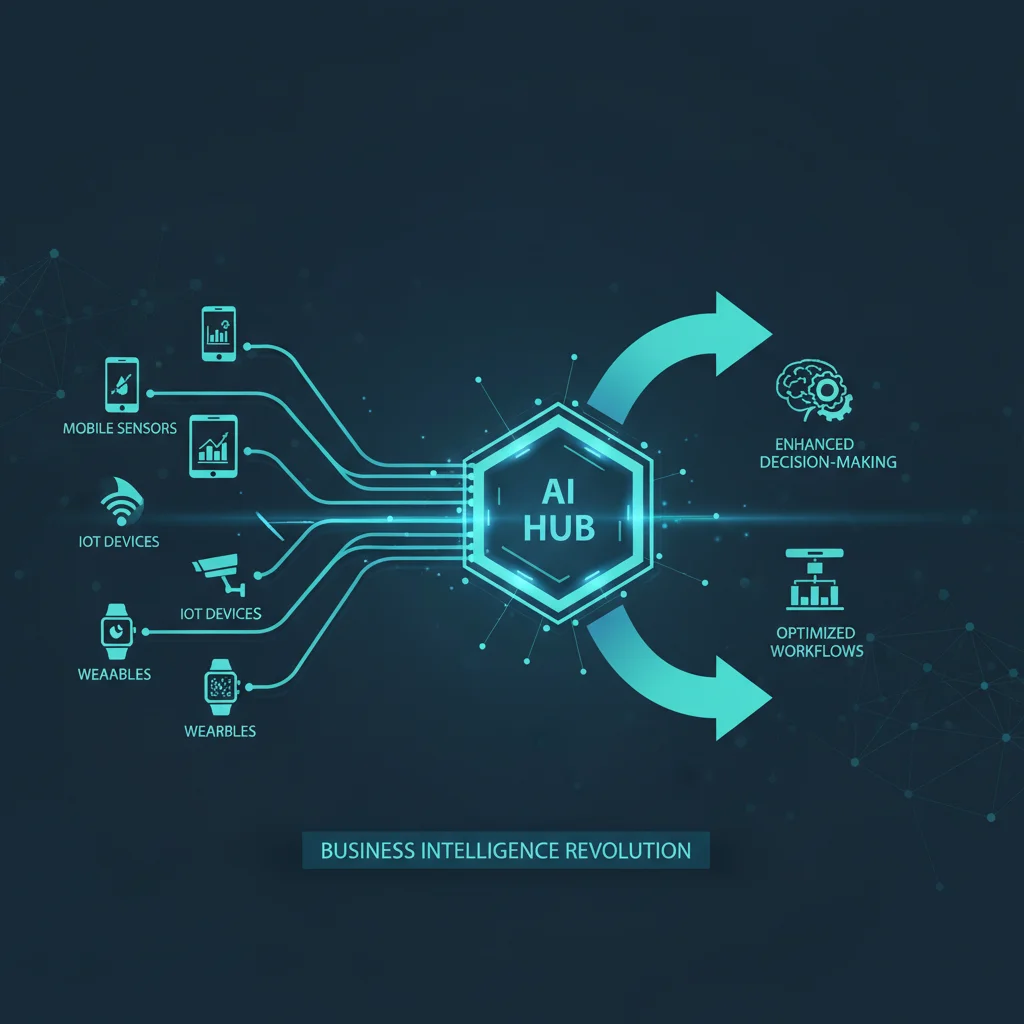
The final, and perhaps most transformative, innovation is the ability of mobile AI to perform advanced predictive analytics and enable proactive problem-solving. By continuously collecting and analyzing data from various sensors, user interactions, and external sources, mobile devices will be able to anticipate issues before they arise and suggest preventative measures, dramatically enhancing Mobile AI Productivity.
Recent Updates and Capabilities:
- Anticipatory Maintenance for Devices and Systems: Beyond personal devices, mobile AI can connect to IoT sensors in machinery, vehicles, or smart homes. It can predict equipment failures, schedule maintenance proactively, and even order replacement parts, minimizing downtime and optimizing operational efficiency in manufacturing, logistics, and infrastructure management.
- Personalized Health Monitoring and Intervention: Wearable devices integrated with mobile AI will continuously monitor vital signs, activity levels, and sleep patterns. AI will analyze this data to predict potential health issues, suggest lifestyle adjustments, or alert users to seek medical attention, promoting a healthier workforce and reducing absenteeism.
- Optimized Resource Management: For businesses, mobile AI can analyze real-time data on inventory levels, supply chain logistics, and customer demand to predict shortages, optimize routing for delivery services, or adjust staffing levels. This leads to significant cost savings and improved operational efficiency, directly impacting Mobile AI Productivity.
- Fraud Detection and Cybersecurity: On-device AI can continuously monitor user behavior and network activity to detect anomalies indicative of fraud or cyber threats. By identifying suspicious patterns locally, it can alert users or block malicious activities in real-time, protecting sensitive data and maintaining operational continuity.
The power of predictive analytics on mobile devices lies in its immediacy and personalization. By bringing sophisticated data analysis to the edge, users and businesses can make more informed decisions, mitigate risks, and seize opportunities in real-time, moving from reactive problem-solving to proactive strategic planning. This shift is fundamental to maximizing Mobile AI Productivity in the coming years.
The Broader Impact on US Productivity by 2026
These five mobile AI innovations are not isolated advancements; they are interconnected threads weaving a new tapestry of US productivity. The cumulative effect of hyper-personalized assistants, secure edge AI, immersive AR workflows, intelligent collaboration tools, and proactive analytics will be transformative across every sector.
Economic Implications:
- Increased Efficiency and Output: Automation of mundane tasks and intelligent assistance will free up human capital to focus on more complex, creative, and strategic endeavors, leading to higher overall output and innovation.
- Job Evolution, Not Elimination: While some tasks may be automated, mobile AI will create new roles and necessitate upskilling, fostering a more specialized and adaptable workforce. The focus will shift from repetitive tasks to managing and leveraging AI tools.
- Competitive Advantage: Businesses that strategically adopt these mobile AI innovations will gain a significant competitive edge, optimizing operations, enhancing customer experiences, and accelerating product development.
- Smarter Infrastructure and Services: From smart cities managing traffic and energy more efficiently to healthcare providers delivering personalized care, mobile AI will underpin more responsive and effective public and private services.
Societal Changes:
- Enhanced Work-Life Balance: By streamlining professional tasks and personal errands, mobile AI can potentially reduce stress and free up more time for leisure, family, and personal development, contributing to overall well-being.
- Greater Accessibility: AI-powered tools can be tailored to assist individuals with disabilities, providing new levels of accessibility and independence in both work and daily life.
- Ethical Considerations and Regulation: As mobile AI becomes more pervasive, discussions around data privacy, algorithmic bias, and ethical AI development will intensify, leading to necessary regulatory frameworks to ensure responsible innovation.
The journey to 2026 will see mobile devices evolve from mere communication tools to sophisticated, indispensable personal and professional assistants. The continuous evolution of Mobile AI Productivity is not just about technological advancement; it’s about fundamentally rethinking how we interact with technology to achieve unprecedented levels of efficiency, intelligence, and human potential.
Conclusion: Embracing the Future of Mobile AI Productivity
The innovations discussed—hyper-personalized AI assistants, on-device edge AI, AR-powered workflows, AI-enhanced collaboration tools, and predictive analytics—collectively represent a profound shift in how we approach productivity. By 2026, these mobile AI advancements will be deeply embedded in our daily lives, transforming industries, reshaping job functions, and unlocking new levels of efficiency across the United States.
For individuals, this means more intelligent assistance, reduced cognitive load, and more time for meaningful work and personal pursuits. For businesses, it translates into optimized operations, enhanced decision-making, and a significant competitive advantage in a rapidly evolving global market. The future of Mobile AI Productivity is not just bright; it’s already being built, one innovation at a time, in the devices we carry every day.
Staying informed about these developments and strategically integrating them into personal and organizational workflows will be paramount for anyone looking to thrive in the intelligent era. The era of truly smart mobile devices is here, and its impact on US productivity promises to be nothing short of revolutionary. Are you ready to harness the power of mobile AI?