Elevate Your Digital Workspace: 7 Essential Tools for Remote Productivity in 2026

Elevate Your Digital Workspace: 7 Essential Tools for Remote Productivity in 2026
The landscape of work has undergone a revolutionary transformation, with remote work transitioning from a niche concept to a global standard. As we hurtle towards 2026, the need for robust, intuitive, and integrated remote productivity tools becomes not just a convenience, but a critical imperative for individuals and organizations alike. The digital workspace is no longer merely an extension of the physical office; it is the office, demanding a sophisticated suite of applications to ensure seamless collaboration, efficient task management, and sustained focus. This comprehensive guide delves into the seven essential remote productivity tools that are poised to define and dominate the remote work environment in 2026, equipping you with the knowledge to optimize your digital workflow and achieve unparalleled efficiency.
The shift to remote models has highlighted both the immense benefits and unique challenges of distributed teams. While flexibility and access to a global talent pool are undeniable advantages, maintaining cohesion, communication, and individual productivity requires a strategic approach to technology adoption. The tools we explore are not just about performing tasks; they are about fostering a connected, engaged, and highly productive workforce, regardless of geographical boundaries. From AI-powered assistants to immersive virtual collaboration platforms, these solutions are designed to address the evolving demands of the modern remote professional. Understanding and integrating these essential remote productivity tools into your daily routine will be key to thriving in the future of work.
The Evolution of Remote Work: Why 2026 Demands Advanced Solutions
The trajectory of remote work has been nothing short of astonishing. What began as a necessity in the early 2020s has matured into a sophisticated operational model, with businesses globally recognizing its long-term viability and benefits. By 2026, the expectations around remote work infrastructure will have significantly increased. Employees will demand more than just basic video conferencing; they will seek integrated ecosystems that mimic, and often surpass, the collaborative capabilities of a physical office. This is where advanced remote productivity tools come into play, serving as the backbone of a highly functional and adaptive digital workspace.
The challenges of remote work are multifaceted. They include maintaining team morale, preventing communication silos, ensuring data security, managing diverse time zones, and combating digital fatigue. Traditional software solutions, often designed for co-located teams, fall short in addressing these complex issues. Therefore, the tools highlighted in this article are chosen not only for their individual capabilities but also for their potential to integrate seamlessly, creating a holistic environment that supports every facet of remote operation. Investing in the right remote productivity tools is no longer optional; it’s a strategic investment in the future success and resilience of your organization.
Addressing Communication Gaps with Next-Gen Platforms
Effective communication is the lifeblood of any successful team, and in a remote setting, its importance is amplified tenfold. Misunderstandings can arise quickly, and a lack of immediate feedback can stall progress. The next generation of communication platforms goes beyond simple chat and video calls, incorporating features like AI-driven transcription, real-time translation, and dynamic meeting summaries. These innovations are crucial for bridging geographical and linguistic divides, ensuring that every team member is on the same page and feels heard. Choosing the right communication tools is the first step in building a robust remote infrastructure.
Streamlining Project Management for Distributed Teams
Managing projects remotely introduces unique complexities. Tracking progress, assigning tasks, and ensuring accountability across different locations and time zones requires sophisticated solutions. The best project management remote productivity tools for 2026 offer intuitive interfaces, powerful automation capabilities, and comprehensive reporting features. They allow team leaders to gain a clear overview of project status, identify bottlenecks proactively, and allocate resources effectively, all while empowering individual contributors to manage their workloads efficiently. Without a centralized and intelligent project management system, distributed teams risk disorganization and missed deadlines.
1. AI-Powered Virtual Assistants: Your Smart Sidekick
In 2026, the concept of a virtual assistant extends far beyond simple voice commands. AI-powered virtual assistants are evolving into sophisticated digital sidekicks, capable of managing schedules, prioritizing emails, drafting responses, summarizing documents, and even initiating routine tasks. These intelligent companions learn your work patterns, anticipate your needs, and proactively assist in optimizing your daily workflow. Imagine an assistant that not only reminds you of a meeting but also gathers relevant documents, provides a briefing on attendees, and suggests talking points based on your previous interactions. This level of personalized support significantly boosts individual remote productivity tools and allows professionals to focus on higher-value activities.
These advanced virtual assistants are integrated with a wide array of other applications, creating a seamless experience across your digital ecosystem. They can connect with your calendar, CRM, project management software, and communication platforms to ensure information flows freely and actions are taken promptly. For remote workers, who often juggle multiple responsibilities without the immediate support of co-located colleagues, an AI-powered virtual assistant becomes an indispensable asset. It helps in maintaining focus, reducing cognitive load, and ensuring that no critical task falls through the cracks, ultimately enhancing overall efficiency in your remote workspace.
2. Immersive Collaboration Platforms: Beyond Video Calls
While video conferencing has been a staple of remote work, 2026 demands a more immersive and engaging experience. Next-generation collaboration platforms are leveraging augmented reality (AR) and virtual reality (VR) to create digital spaces that feel surprisingly similar to physical meeting rooms. These platforms allow participants to interact with shared documents, whiteboards, and 3D models in a spatial environment, fostering a deeper sense of presence and collaboration. Imagine conducting a brainstorming session where team members can virtually ‘walk around’ a concept, annotate designs in real-time, and feel truly connected, despite being geographically dispersed. These are truly transformative remote productivity tools.
These immersive environments are designed to combat ‘Zoom fatigue’ by offering more dynamic and interactive ways to engage. They often include features like personalized avatars, spatial audio, and persistent virtual workspaces where ongoing projects can reside. For complex discussions, design reviews, or creative sprints, these platforms offer a richness of interaction that traditional video calls simply cannot match. As hardware becomes more accessible and software more refined, immersive collaboration will become a cornerstone of effective remote teamwork, making it one of the most exciting remote productivity tools to watch.
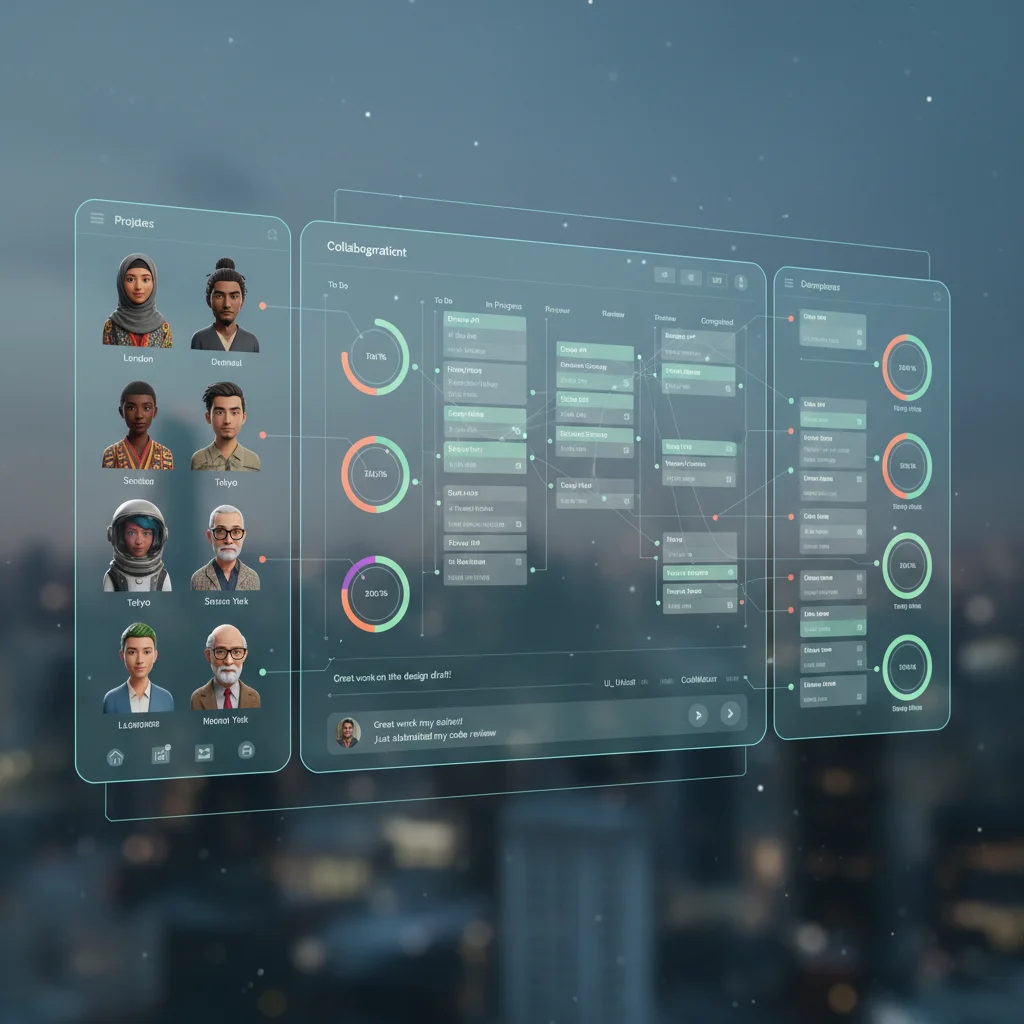
3. Advanced Project Management Suites with AI Integration
Project management is a cornerstone of productivity, and in remote settings, its complexity multiplies. By 2026, the leading project management suites will feature deep AI integration, offering predictive analytics, automated task assignment, and intelligent resource allocation. These platforms will be able to analyze project data, identify potential risks before they materialize, and suggest optimal pathways to completion. They will learn from past projects to refine future estimates and provide real-time insights into team performance and individual workload distribution. This proactive approach to project management is invaluable for maintaining momentum and preventing bottlenecks in a distributed environment.
Beyond AI, these suites will emphasize user-friendliness and customization. Teams will be able to tailor workflows to their specific methodologies, whether Agile, Scrum, or Waterfall, with drag-and-drop interfaces and a wealth of templates. Integration with other critical remote productivity tools like communication platforms, document management systems, and CRM software will be standard, creating a unified operational hub. This level of sophistication ensures that every team member, from project managers to individual contributors, has the tools they need to stay organized, accountable, and productive, making these suites indispensable for any remote team striving for excellence.
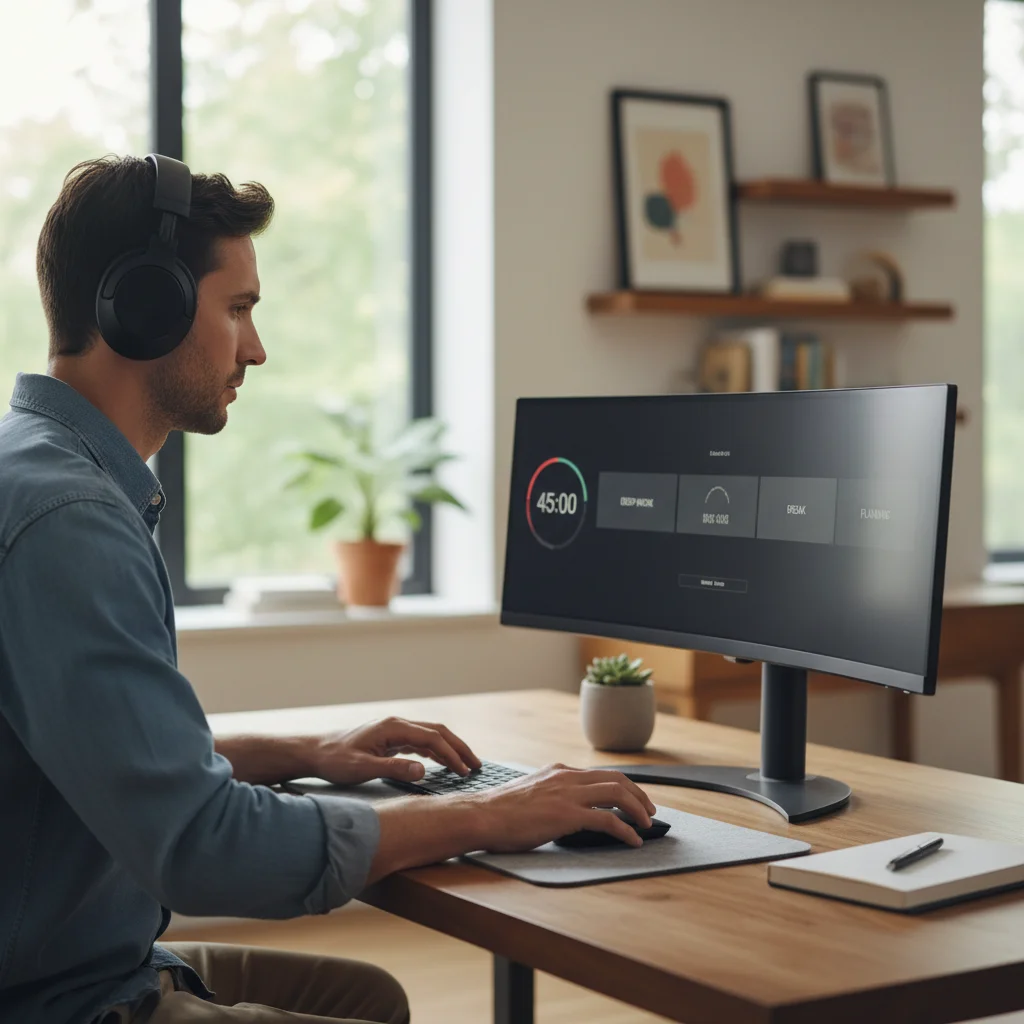
4. Smart Time Management & Focus Applications
One of the biggest challenges in remote work is maintaining focus and managing time effectively without the structured environment of a traditional office. Smart time management and focus applications for 2026 are designed to address this head-on. These tools go beyond simple timers; they incorporate techniques like the Pomodoro method, offer distraction blockers for specific websites or applications, and provide personalized insights into your most productive hours. Some even integrate with biometric data from wearables to suggest optimal break times or alert you to signs of fatigue, helping you sustain peak performance throughout the day. These are essential remote productivity tools for personal efficiency.
Furthermore, these applications often include features for habit tracking, goal setting, and progress visualization, turning time management into a more engaging and rewarding process. They help remote workers create structured routines, minimize context switching, and protect blocks of ‘deep work’ time, which is crucial for tackling complex tasks. By providing a framework for intentional work and intelligent breaks, these smart time management tools empower individuals to take control of their productivity, ensuring they make the most of their remote working hours and avoid burnout. They are vital remote productivity tools for individual well-being and output.
5. Secure Cloud-Based Document Collaboration & Management
The proliferation of remote work necessitates robust and secure cloud-based solutions for document collaboration and management. By 2026, these platforms will offer advanced encryption, granular access controls, and comprehensive version histories, ensuring that sensitive information is protected while remaining accessible to authorized team members. Real-time co-editing capabilities will be seamless, allowing multiple users to work on the same document simultaneously without conflicts. More than just storage, these systems will provide intelligent search functionalities, AI-powered content organization, and automated document routing for approvals and reviews.
The integration of these platforms with other remote productivity tools, such as communication apps and project management suites, will be paramount. This creates a unified environment where documents are not isolated files but integral components of ongoing projects and discussions. The ability to share, review, and finalize documents securely and efficiently, regardless of location, is fundamental to maintaining operational fluidity in a remote setting. These sophisticated document collaboration tools mitigate risks associated with data loss and unauthorized access, while simultaneously enhancing team efficiency and decision-making processes.
6. Enhanced Cybersecurity & Privacy Tools for Remote Endpoints
As the digital workspace expands beyond the traditional office perimeter, cybersecurity becomes an even more critical concern. Remote endpoints – laptops, tablets, and smartphones – are often more vulnerable to threats. In 2026, essential remote productivity tools will include advanced cybersecurity and privacy solutions tailored for distributed teams. These will encompass next-generation VPNs with enhanced encryption, endpoint detection and response (EDR) systems that use AI to identify and neutralize threats, and sophisticated identity and access management (IAM) platforms that enforce multi-factor authentication and adaptive access policies.
Beyond technical safeguards, these tools will also focus on user education and proactive threat intelligence. Integrated training modules on phishing awareness, data handling best practices, and secure remote working habits will be commonplace. Furthermore, privacy-enhancing technologies will empower remote workers to control their personal data while ensuring compliance with evolving regulations like GDPR and CCPA. A secure digital environment is foundational to productive remote work; without it, all other remote productivity tools are at risk. Organizations must invest in robust cybersecurity measures to protect their assets and their employees.
7. Wellness and Engagement Platforms for Remote Teams
The psychological toll of remote work, often characterized by isolation and blurred work-life boundaries, is a significant concern. By 2026, leading organizations will recognize the critical importance of employee well-being and engagement for sustained productivity. Wellness and engagement platforms will emerge as essential remote productivity tools, offering features such as virtual social spaces, team-building activities, mental health resources, and personalized wellness challenges. These platforms aim to recreate the informal interactions and camaraderie that naturally occur in a physical office, fostering a sense of belonging and reducing feelings of isolation.
These tools often integrate with other HR systems and communication platforms, allowing managers to monitor team sentiment (anonymously, where appropriate), facilitate recognition programs, and organize virtual events. They might include guided meditation sessions, ergonomic advice for home offices, and features to encourage regular breaks and physical activity. By proactively addressing the well-being of remote employees, companies can mitigate burnout, boost morale, and cultivate a more resilient and productive workforce. Investing in these human-centric remote productivity tools is not just about employee welfare; it’s about safeguarding long-term organizational success.
Integrating Your Remote Productivity Tools for Maximum Impact
While each of these seven categories offers powerful individual solutions, the true strength of your digital workspace in 2026 will lie in their seamless integration. A fragmented collection of disparate tools can lead to ‘app fatigue,’ data silos, and reduced efficiency. The goal is to create a cohesive ecosystem where information flows freely between applications, automation handles routine tasks, and team members can access everything they need from a centralized hub. This requires a strategic approach to selecting and implementing your remote productivity tools, prioritizing those with open APIs and robust integration capabilities.
Consider how your AI-powered virtual assistant can pull data from your project management suite, how your immersive collaboration platform can link to your cloud document system, and how your wellness app can gently remind you to take breaks based on your time management schedule. The future of remote productivity is interconnected. Organizations that successfully build such integrated digital workspaces will empower their employees to achieve peak performance, foster a culture of efficiency, and remain competitive in an increasingly distributed global economy. Regularly reviewing and optimizing your suite of remote productivity tools will be an ongoing process, adapting to technological advancements and the evolving needs of your team.
The Future is Remote: Embracing Innovation for Unprecedented Productivity
The world of work is irrevocably changed, and remote models are here to stay. As we look towards 2026, the distinction between ‘office work’ and ‘remote work’ will continue to blur, replaced by a more fluid concept of ‘work’ that leverages the best of both worlds. The essential remote productivity tools discussed in this article are not just technological advancements; they are enablers of this new paradigm. They provide the infrastructure for sustained innovation, seamless collaboration, and enhanced individual well-being, irrespective of physical location.
Embracing these cutting-edge solutions will allow businesses to unlock new levels of efficiency, attract and retain top talent globally, and build more resilient and adaptable organizations. For individual professionals, mastering these tools means greater autonomy, improved work-life balance, and the ability to thrive in a competitive digital landscape. The journey to an optimized digital workspace is continuous, but with these seven essential remote productivity tools, you are well-equipped to navigate the future of work with confidence and achieve unprecedented levels of success in 2026 and beyond.