Future of Digital Fashion: Top 3 Virtual Wardrobe Apps

The fashion industry, historically rooted in tangible textiles and physical storefronts, is undergoing a seismic shift. We are witnessing the dawn of a new era, one where pixels are as potent as fabric, and virtual runways are as prestigious as their real-world counterparts. This revolution, spearheaded by innovative digital fashion apps, is not just a fleeting trend; it’s a fundamental reimagining of how we perceive, consume, and express ourselves through clothing. The concept of a ‘virtual wardrobe’ is no longer science fiction; it’s a rapidly evolving reality, offering unprecedented opportunities for creativity, sustainability, and personal expression.
For decades, fashion has been about acquiring physical garments, curating a collection that reflects our identity, and navigating the ever-changing tides of trends. However, this traditional model comes with its own set of challenges: environmental impact from production and waste, limitations on creative expression due to cost and accessibility, and the sheer physical space required to house an extensive wardrobe. Enter digital fashion – a paradigm shift that addresses these issues head-on, while simultaneously unlocking new dimensions of sartorial possibility.
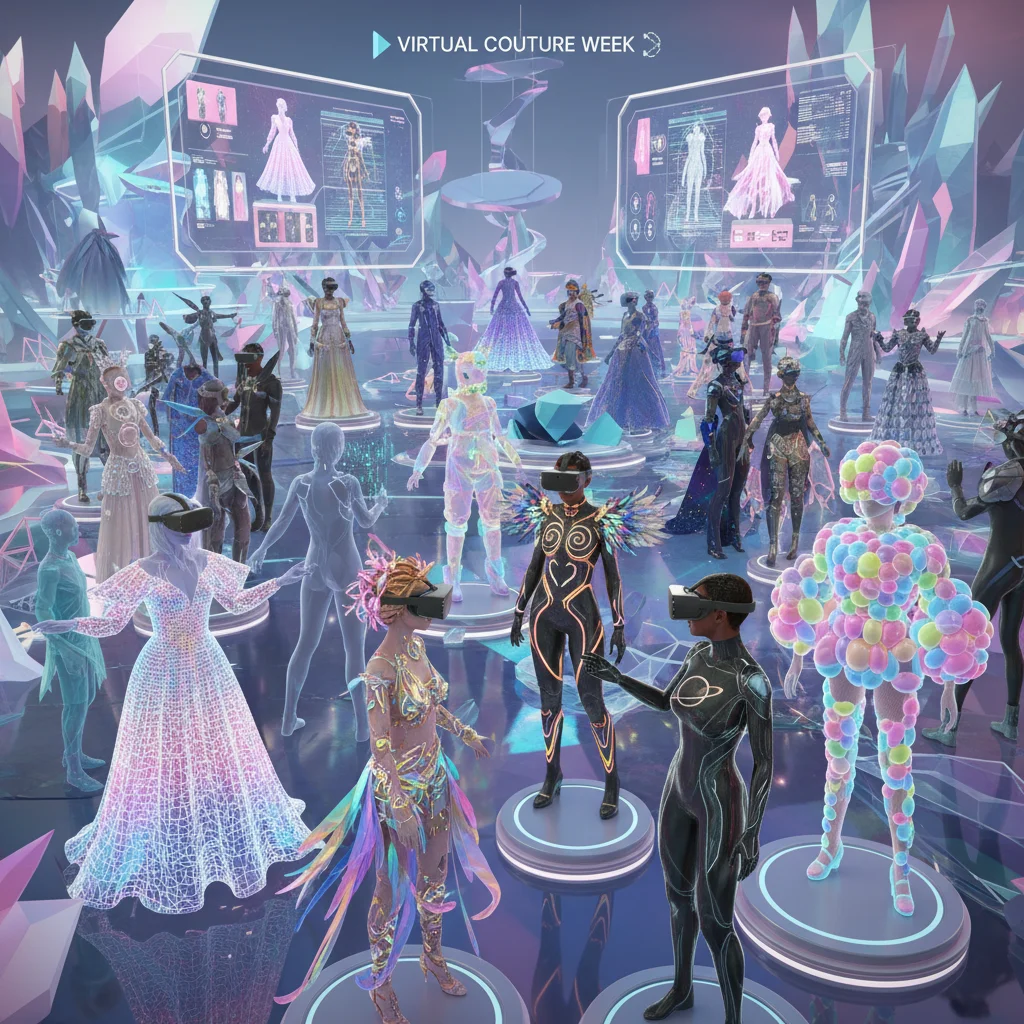
At its core, digital fashion involves the creation of garments that exist solely in the digital realm. These can be worn by avatars in video games, applied to photos and videos using augmented reality (AR), or even purchased as non-fungible tokens (NFTs) to be owned and traded. The beauty of digital fashion lies in its boundless potential. Imagine wearing a dress made of stardust, a jacket that changes color with your mood, or shoes that defy gravity – all without a single thread being spun or a drop of dye being used. This is the promise of the virtual wardrobe, and it’s being brought to life by a new generation of sophisticated applications.
This article will delve into the exciting world of digital fashion apps, exploring how they are not just changing our wardrobes, but also reshaping our relationship with fashion itself. We will highlight three innovative platforms that are at the forefront of this transformation, examining their unique features, benefits, and the impact they are having on the fashion landscape. From hyper-realistic virtual try-ons to sustainable styling solutions and the burgeoning metaverse economy, these apps are redefining what it means to be fashionable in the 21st century.
The Rise of the Virtual Wardrobe: Why Digital Fashion Matters
Before we dive into specific applications, it’s crucial to understand the driving forces behind the surge in popularity of the virtual wardrobe. Why are more and more people, from fashion enthusiasts to everyday consumers, embracing digital garments?
Sustainability at its Core
One of the most compelling arguments for digital fashion is its inherent sustainability. The traditional fashion industry is a significant contributor to pollution, resource depletion, and waste. Fast fashion, in particular, encourages a cycle of rapid consumption and disposal, leading to immense environmental damage. Digital fashion, by contrast, has a near-zero environmental footprint. Creating a digital garment requires no physical materials, no water for dyeing, and no energy for transportation. This makes it an incredibly attractive option for environmentally conscious consumers and brands looking to reduce their ecological impact.
Unleashing Creativity and Expression
The limitations of physical reality often constrain creative expression in fashion. Fabric availability, manufacturing costs, and structural integrity all play a role in what can and cannot be produced. Digital fashion shatters these barriers. Designers can experiment with impossible silhouettes, gravity-defying textures, and fantastical aesthetics that would be unfeasible or prohibitively expensive in the physical world. For consumers, this opens up a universe of self-expression, allowing them to wear outfits that are truly unique and reflective of their wildest imagination, without the need for a physical purchase.
Accessibility and Inclusivity
Digital fashion democratizes style. High-end couture, once exclusive to a privileged few, can now be accessed and ‘worn’ by anyone with a smartphone and an internet connection. This breaks down geographical and economic barriers, making fashion more inclusive. Furthermore, digital avatars can be customized to represent a vast spectrum of body types, skin tones, and identities, fostering a more diverse and representative fashion landscape than often seen in traditional media.
The Metaverse and Beyond
The burgeoning metaverse – a collective virtual shared space – is a natural home for digital fashion. As we spend more time in virtual worlds, whether for gaming, social interaction, or work, our digital identities become increasingly important. Just as we dress ourselves in the physical world, we will want to dress our avatars in the metaverse. Digital fashion apps are paving the way for this future, allowing users to build extensive virtual wardrobes that can seamlessly transition across different platforms and experiences.
Experimentation and Trend Forecasting
For brands and designers, digital fashion offers a low-risk, high-reward environment for experimentation. New collections can be test-launched digitally, gathering valuable feedback and gauging consumer interest before investing in physical production. This not only reduces financial risk but also allows for more agile and responsive trend forecasting, ensuring that physical collections are more likely to resonate with the market.
Top 3 Innovative Digital Fashion Apps Transforming Your Virtual Wardrobe Now
The landscape of digital fashion apps is constantly evolving, with new players emerging regularly. However, some have already established themselves as pioneers, offering unique and compelling experiences that are shaping the future of fashion. Here are three of the most innovative:
1. "The Fabricant Studio": The Metaverse’s Haute Couture House
The Fabricant has been a trailblazer in the digital fashion space since its inception, and "The Fabricant Studio" is their ambitious leap into empowering creators and consumers alike. This platform isn’t just about wearing digital clothes; it’s about co-creating them and owning a piece of the digital fashion future.
What Makes it Stand Out?
- Co-creation Platform: Unlike apps where you simply buy pre-made digital garments, The Fabricant Studio allows users to participate in the design process. They can choose from a library of digital fabric textures, patterns, and silhouettes, and then customize them to create truly unique pieces. This democratizes fashion design, turning consumers into co-creators.
- NFT Integration: Every garment created or customized within The Fabricant Studio is minted as an NFT (Non-Fungible Token). This means users have verifiable ownership of their digital fashion assets, which can then be traded, sold, or showcased across various metaverse platforms. This aligns with the burgeoning Web3 economy, where digital ownership is paramount.
- High-Quality 3D Garments: The Fabricant is renowned for its hyper-realistic 3D rendering. The digital garments created in their studio are incredibly detailed, with realistic textures, drapes, and movements, making them indistinguishable from physical clothing in a digital environment.
- Interoperability Focus: A key vision for The Fabricant is interoperability – the idea that your digital fashion assets should be usable across different virtual worlds and games. While still in its early stages, their focus on open standards and collaborations aims to make your virtual wardrobe truly portable.
- Community and Collaboration: The platform fosters a strong community of digital designers, artists, and fashion enthusiasts. Users can share their creations, collaborate on new designs, and participate in challenges, creating a vibrant ecosystem for digital fashion innovation.
Impact and Future Potential:
The Fabricant Studio is not just an app; it’s a vision for the future of fashion ownership and creation. By empowering users to become digital fashion designers and owners through NFTs, it’s laying the groundwork for a decentralized fashion economy. It pushes the boundaries of what digital fashion apps can achieve, moving beyond passive consumption to active participation and genuine digital asset ownership.
2. "DressX": Your Augmented Reality Fashion Closet
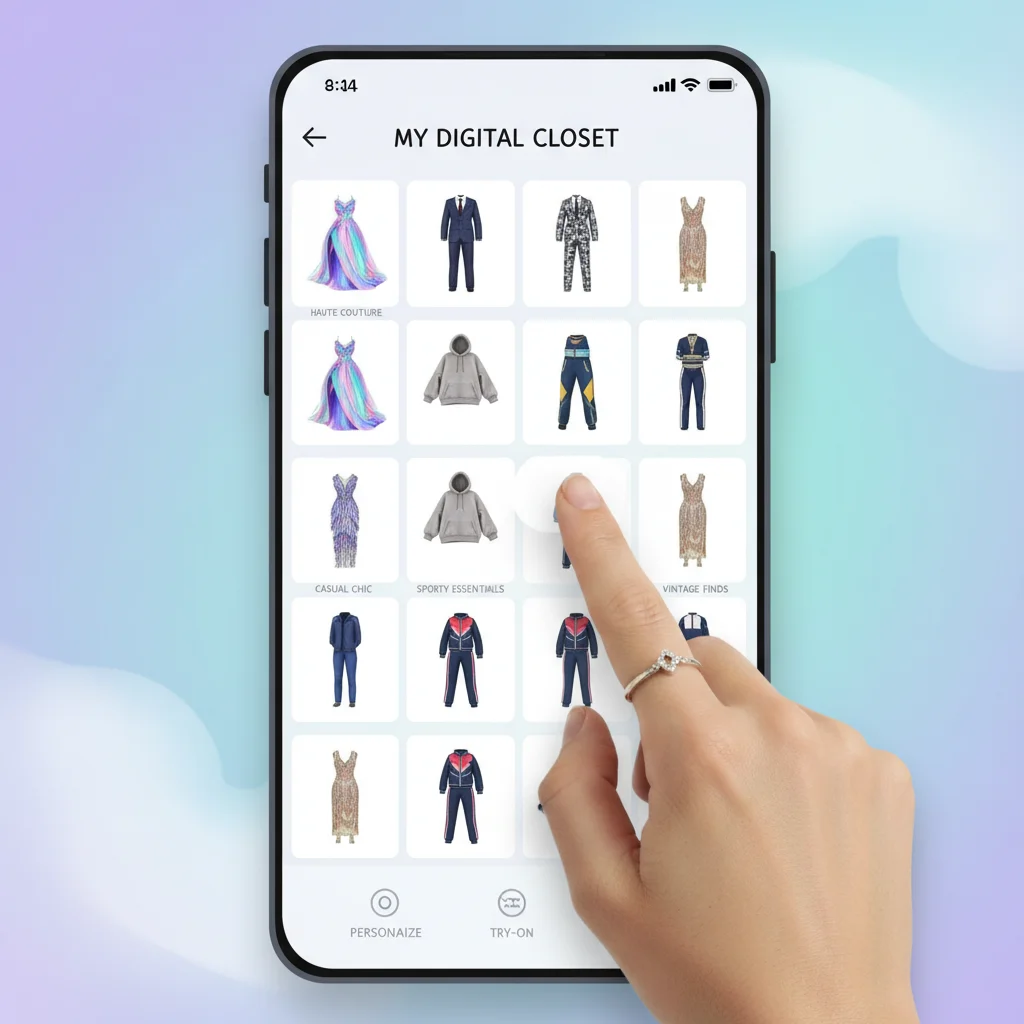
DressX has emerged as a leading multi-brand digital fashion store, making digital clothing accessible and wearable for everyday social media users. Their focus is on augmented reality (AR) try-on and digital dressing for content creation.
What Makes it Stand Out?
- AR Try-On Technology: DressX leverages advanced AR technology to allow users to ‘wear’ digital garments in photos and videos. Users simply upload a picture or video of themselves, and the app digitally ‘dresses’ them in the chosen outfit, making it look incredibly realistic. This is perfect for social media content, allowing users to experiment with styles without purchasing physical clothes.
- Extensive Brand Partnerships: DressX collaborates with numerous established and emerging designers, offering a wide range of digital collections. This means users have access to diverse styles, from high fashion to streetwear, all available digitally. They also partner with physical brands looking to enter the digital space.
- Sustainability Message: A core tenet of DressX is promoting sustainability in fashion. By offering digital alternatives to physical purchases, they encourage users to reduce their environmental footprint, especially for one-time wear outfits or trend-driven pieces.
- Accessibility for Content Creators: For influencers and content creators, DressX provides an innovative way to generate fresh, exciting, and sustainable content. They can showcase new looks daily without the cost or environmental impact of acquiring physical garments.
- Digital Fashion for the Masses: DressX has successfully made digital fashion a tangible reality for a broader audience, moving it beyond niche metaverse enthusiasts to anyone who wants to enhance their online presence with unique and sustainable outfits.
Impact and Future Potential:
DressX is democratizing access to stunning fashion through AR. It’s changing how people interact with clothing for social media, providing a sustainable and creative outlet for self-expression. As AR technology continues to improve, DressX’s influence as a bridge between the physical self and the digital wardrobe will only grow, solidifying its place among essential digital fashion apps.
3. "CLO3D" / "Marvelous Designer": The Professional’s Digital Tailor
While the previous two apps focus on consumption and co-creation, CLO3D (and its sister software, Marvelous Designer) is the industry-standard software for professional digital fashion design. It’s the engine behind many of the stunning digital garments seen in games, films, and other digital fashion platforms.
What Makes it Stand Out?
- Hyper-Realistic Garment Simulation: CLO3D allows designers to create 3D garments with unparalleled realism. It simulates fabric properties like drape, texture, and elasticity, meaning digital clothes behave exactly as their physical counterparts would. This level of detail is crucial for creating believable digital fashion.
- Pattern-Based Design: Designers can create patterns digitally, just as they would in real life. These patterns are then ‘stitched’ together in the software, allowing for precise control over fit and construction. This makes the transition from traditional pattern-making to digital design seamless for experienced professionals.
- Virtual Avatar Integration: The software features highly customizable 3D avatars, allowing designers to fit garments to various body types and poses. This significantly reduces the need for physical samples, saving time, money, and resources.
- Animation Capabilities: CLO3D can animate garments, showing how they move and flow on a walking or posing avatar. This is invaluable for fashion shows, marketing materials, and understanding how a design will perform in motion.
- Industry Standard: Many major fashion brands, designers, and even film studios use CLO3D for their digital garment creation. It’s a testament to its power and versatility in the professional digital fashion landscape.
Impact and Future Potential:
CLO3D is the backbone of the digital fashion revolution. It empowers designers to bring their visions to life in the digital realm with unprecedented accuracy and efficiency. By streamlining the design and sampling process, it not only accelerates time-to-market but also significantly reduces waste in the traditional fashion supply chain. Its continued evolution will drive the quality and complexity of digital garments across all digital fashion apps and metaverse experiences.
The Broader Implications of Digital Fashion Apps
The emergence and rapid evolution of digital fashion apps are not just about new ways to dress. They have far-reaching implications for the entire fashion ecosystem and beyond.
Reshaping Consumer Behavior
As virtual wardrobes become more sophisticated, they will inevitably influence how consumers perceive and purchase clothing. The appeal of instant gratification, endless variety, and sustainable alternatives offered by digital fashion could lead to a shift away from purely physical consumption, especially for trend-driven items or social media content. Consumers might opt to ‘rent’ digital outfits for specific occasions or experiment with styles virtually before committing to a physical purchase.
New Economic Models and Opportunities
Digital fashion opens up entirely new economic models. The NFT market for digital garments creates opportunities for designers to monetize their creations directly, bypassing traditional retail channels. Additionally, the metaverse will generate a demand for digital stylists, tailors, and even virtual fashion photographers, creating new job roles and industries.
Sustainability as a Core Principle
While the sustainability benefits are clear, the widespread adoption of digital fashion apps could catalyze a broader shift towards more eco-conscious practices within the physical fashion industry. As consumers become more aware of the environmental impact of their choices, pressure will mount on traditional brands to adopt more sustainable production methods, potentially integrating digital sampling and virtual try-ons into their physical manufacturing processes.
Challenges and the Road Ahead
Despite the immense potential, digital fashion and its accompanying apps face challenges. Interoperability remains a key hurdle; for a truly seamless virtual wardrobe, digital assets need to be easily transferable between different platforms and metaverses. User adoption also requires overcoming skepticism and educating consumers about the value and utility of digital garments. Furthermore, intellectual property rights in the digital realm, especially with NFTs, are still being defined.
Conclusion: The Future is Digitally Dressed
The journey of fashion from physical ateliers to digital pixels is well underway, and digital fashion apps are the vehicles driving this transformation. From the co-creative power of The Fabricant Studio to the AR accessibility of DressX and the professional precision of CLO3D, these platforms are not just offering new ways to wear clothes; they are redefining ownership, sustainability, and creative expression in the 21st century.
The virtual wardrobe is more than just a novelty; it’s a powerful tool for personal branding, environmental responsibility, and boundary-pushing design. As technology continues to advance, we can expect these apps to become even more immersive, interactive, and integrated into our daily lives. The lines between physical and digital fashion will continue to blur, leading to a hybrid future where our physical closets and virtual wardrobes complement each other, offering an unprecedented spectrum of style choices.
Embrace the future of fashion. Explore these innovative apps and begin building your own virtual wardrobe. The revolution is here, and it’s digitally dressed.