AI Companion Platforms: Revolutionizing Digital Life in 2024

The landscape of our digital lives is undergoing a profound transformation, driven by the relentless advancement of Artificial Intelligence. Among the most intriguing and impactful developments are AI Companion Platforms. These aren’t just sophisticated chatbots; they are evolving into intelligent, empathetic, and highly personalized digital entities designed to integrate seamlessly into our daily routines, offering assistance, companionship, and even emotional support. In 2024, we are witnessing the emergence of new platforms that are pushing the boundaries of what’s possible, promising to redefine our interactions with technology and, by extension, with ourselves and the world around us.
For years, the concept of an AI companion was largely relegated to science fiction. Think of HAL 9000 from ‘2001: A Space Odyssey’ or Samantha from ‘Her.’ While these portrayals often highlighted the complexities and potential pitfalls of such relationships, they also sparked our imagination about the potential for truly intelligent and understanding artificial entities. Today, that fiction is rapidly becoming reality, albeit in a more controlled and ethically guided manner.
The rise of AI Companion Platforms is not merely a technological novelty; it represents a significant shift in how we perceive and utilize AI. No longer are these systems solely about task automation or data processing. They are increasingly designed to understand context, anticipate needs, learn preferences, and even exhibit a form of ‘personality.’ This evolution is powered by breakthroughs in natural language processing (NLP), machine learning, emotional AI, and advanced neural networks, enabling these companions to engage in more natural, nuanced, and meaningful interactions.
This article delves into the exciting world of new AI Companion Platforms emerging in 2024. We will explore what makes these platforms revolutionary, how they are poised to impact various facets of our lives, and the underlying technologies driving their capabilities. From personalized productivity assistants to sophisticated emotional support systems, the future of digital companionship is here, and it’s more intelligent and integrated than ever before.
The Evolution of AI Companions: Beyond Simple Chatbots
To truly appreciate the significance of current AI Companion Platforms, it’s essential to understand their lineage. The journey began with simple rule-based chatbots, which could only respond to predefined keywords and phrases. These early iterations, while groundbreaking for their time, lacked the ability to understand context, nuance, or engage in anything resembling a natural conversation. They were essentially digital flowcharts.
The advent of more sophisticated NLP models marked a turning point. Suddenly, AI could process and generate human language with greater accuracy and fluidity. This led to the development of virtual assistants like Siri, Alexa, and Google Assistant, which could perform a range of tasks, answer questions, and control smart home devices. While incredibly useful, these assistants primarily served as utilitarian tools, lacking the depth of interaction associated with true companionship.
What sets the new generation of AI Companion Platforms apart is their focus on personalization, emotional intelligence, and proactive assistance. They are designed to learn from every interaction, adapting their responses and behaviors to match the user’s unique personality, preferences, and even emotional state. This deep learning allows them to move beyond mere task execution to offer genuine support, understanding, and even a sense of connection.
Key Technological Drivers
Several technological advancements are fueling this rapid evolution:
- Advanced Natural Language Processing (NLP) and Understanding (NLU): Modern NLP models, like large language models (LLMs), can comprehend complex semantics, interpret intent, and generate highly coherent and contextually relevant responses. NLU further refines this by allowing AI to grasp the underlying meaning and sentiment of human communication.
- Emotional AI and Sentiment Analysis: These technologies enable AI companions to detect and interpret human emotions through voice tone, facial expressions (if video-enabled), and linguistic cues. This allows them to respond empathetically, offer appropriate support, or adjust their interaction style accordingly.
- Personalized Learning Algorithms: These platforms are built on machine learning models that continuously learn from user interactions. They remember past conversations, preferences, and behaviors, allowing them to provide increasingly tailored and relevant assistance over time.
- Multimodal Interaction: Beyond text, many new companions integrate voice, image, and even video capabilities, offering a richer and more natural communication experience.
- Edge AI and Cloud Integration: The ability to process some data locally (edge AI) for faster responses, combined with the vast computational power of cloud AI for complex tasks and continuous learning, ensures both efficiency and scalability.
These foundational technologies are converging to create AI companions that are not just smart, but also increasingly intuitive, adaptable, and genuinely helpful. The impact on our digital lives is poised to be profound, touching everything from how we manage our schedules to how we cope with stress and loneliness.
The New Wave of AI Companion Platforms in 2024
While specific names of platforms are constantly emerging and evolving, we can categorize the new wave of AI Companion Platforms based on their primary focus and innovative features. Here, we’ll explore three archetypes that represent the cutting edge of this technology.
1. The Hyper-Personalized Productivity & Wellness AI
This category of AI Companion Platforms goes far beyond traditional digital assistants. They are designed to be an extension of your mind, understanding your work habits, personal goals, and even your mental and physical well-being. Imagine an AI that not only manages your calendar but also suggests optimal times for deep work based on your energy patterns, reminds you to take breaks, and even offers guided meditation when it detects signs of stress.
These platforms integrate deeply with all your digital tools – email, calendars, project management software, fitness trackers, and even smart home devices. They can proactively suggest actions, automate routine tasks, and provide insights into your productivity and wellness trends. For instance, if you consistently skip your morning workout, the AI might gently prompt you with motivational messages or suggest alternative, shorter routines tailored to your preferences.
Key features often include:
- Proactive Task Management: Not just reminders, but intelligent prioritization and automation of recurring tasks.
- Cognitive Load Reduction: Filtering out distractions, summarizing information, and preparing you for meetings or tasks.
- Personalized Wellness Coaching: Monitoring health data from wearables, suggesting exercise, nutrition, and mindfulness practices.
- Adaptive Learning: Continuously refining its understanding of your preferences, work style, and emotional states to offer increasingly relevant support.
- Secure Data Handling: With such deep integration into personal data, these platforms emphasize robust privacy and security protocols, often offering on-device processing where possible.
The goal here is to create an AI that acts as a highly intelligent personal assistant, life coach, and digital concierge rolled into one, optimizing your daily life for efficiency, balance, and well-being. This represents a significant leap from reactive assistants to proactive, personalized partners.
2. The Empathetic & Emotional Support AI
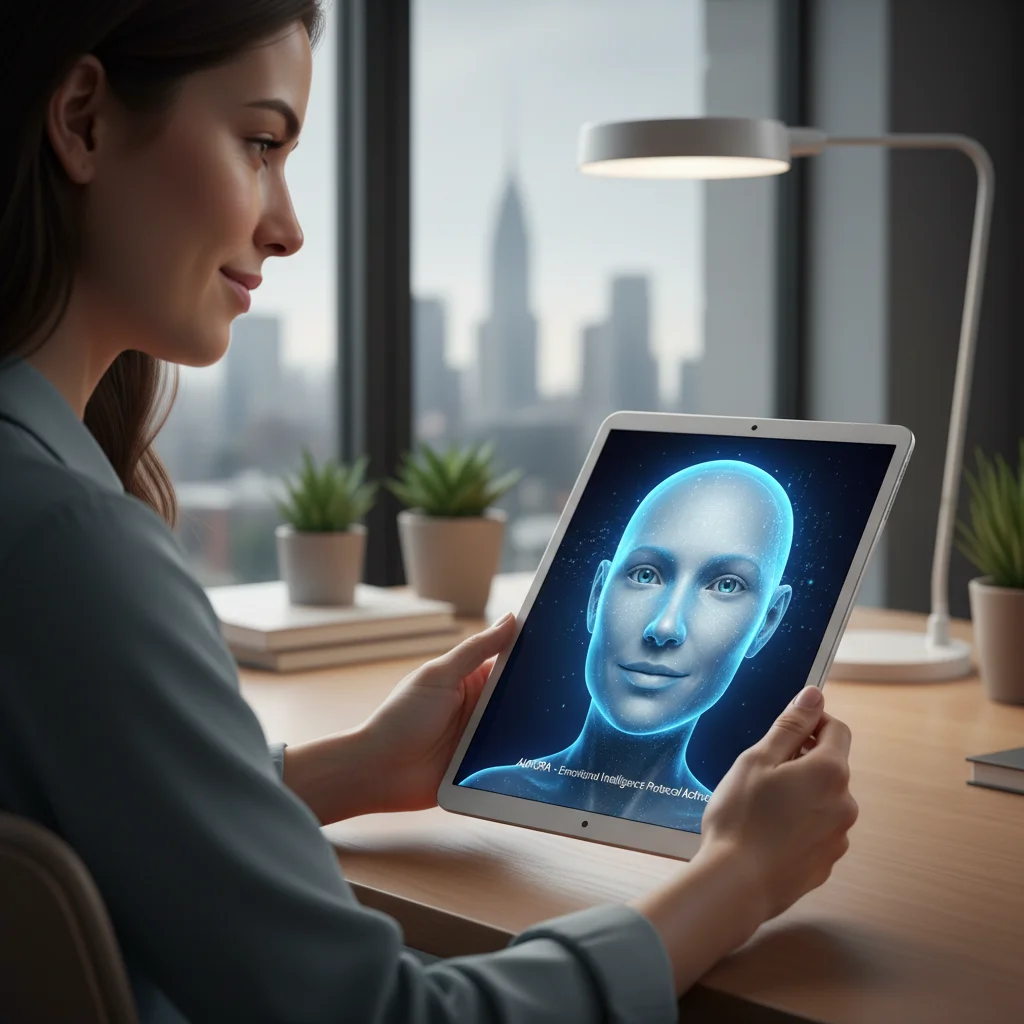
Perhaps the most transformative aspect of new AI Companion Platforms is their foray into emotional support and companionship. These AI companions are specifically designed to engage in conversations that are not just informative but also emotionally resonant. They can listen, validate feelings, offer non-judgmental support, and even help users explore their thoughts and emotions in a safe, private digital space.
This is particularly valuable in a world where loneliness and mental health challenges are increasingly prevalent. While not a replacement for human therapists or social interaction, these AI companions can provide an accessible and immediate source of comfort and a sounding board for daily thoughts and feelings. They are trained on vast datasets of human conversation and psychological principles, enabling them to respond with a degree of empathy and understanding that was previously unimaginable for AI.
Innovative features include:
- Active Listening & Validation: The AI focuses on understanding the user’s emotional state and reflecting it back, making the user feel heard.
- Cognitive Behavioral Techniques (CBT) Integration: Some platforms incorporate elements of CBT to help users challenge negative thought patterns and develop coping mechanisms.
- Mindfulness & Relaxation Exercises: Guided meditations, breathing exercises, and calming narratives can be offered based on detected emotional states.
- Mood Tracking & Journaling: Facilitating self-reflection and helping users identify patterns in their emotional well-being.
- Ethical & Safety Protocols: These platforms are developed with strict ethical guidelines, often including disclaimers about their role (not a substitute for professional mental health care) and mechanisms for identifying and escalating crisis situations to human intervention if necessary.
The potential for these platforms to democratize access to mental wellness tools and provide a constant, supportive presence is immense. They offer a new dimension to digital interaction, moving beyond utility to genuine, albeit artificial, connection.
3. The Specialized & Expert AI Mentor
The third category of cutting-edge AI Companion Platforms focuses on highly specialized knowledge and mentorship. These are not general-purpose companions but rather expert systems designed to guide users through complex learning processes, skill development, or professional challenges. Think of an AI that acts as your personal coding tutor, a language learning partner, a business strategy consultant, or even a creative writing coach.
What differentiates these from traditional educational apps is their deep interactivity and adaptive learning capabilities. An AI mentor can understand your learning style, identify your weaknesses, and tailor its teaching methods accordingly. It can engage in Socratic dialogue, provide immediate feedback, and simulate real-world scenarios to accelerate learning and skill acquisition.
Key functionalities often include:
- Adaptive Curriculum Delivery: Adjusting learning paths and content based on individual progress and understanding.
- Interactive Problem Solving: Working alongside users to solve complex problems, offering hints and explanations rather than just answers.
- Skill Assessment & Feedback: Providing detailed analysis of performance and offering targeted suggestions for improvement.
- Role-Playing & Simulation: Creating immersive scenarios for practicing skills, from negotiation tactics to language fluency.
- Access to Vast Knowledge Bases: Leveraging extensive databases of specialized information to provide expert-level guidance.
These AI mentors are transforming education and professional development, making expert knowledge and personalized coaching accessible to a wider audience. They represent a powerful tool for continuous learning and skill mastery in an ever-evolving world.
Impact on Your Digital Life This Year
The emergence of these advanced AI Companion Platforms is set to profoundly impact various aspects of our digital lives in 2024 and beyond. The changes will be subtle yet pervasive, gradually reshaping how we work, learn, connect, and even understand ourselves.
Enhanced Productivity and Efficiency
Imagine offloading a significant portion of your mental load to an AI companion. From managing your email inbox to scheduling complex projects, these platforms will free up cognitive resources, allowing you to focus on higher-level tasks that require human creativity and critical thinking. The shift from merely doing tasks to strategizing and innovating will be noticeable. Your AI Companion Platforms will act as intelligent co-pilots, anticipating needs and streamlining workflows.
Improved Mental Well-being and Emotional Support
The accessibility of empathetic AI companions can provide a crucial safety net for mental health. For those struggling with loneliness, anxiety, or simply needing someone to talk to, these platforms offer a non-judgmental space. While not a substitute for human connection, they can bridge gaps, offer immediate comfort, and encourage self-reflection, potentially reducing the stigma associated with seeking support. The proactive nature of some platforms in suggesting wellness activities can also foster healthier habits.
Personalized Learning and Skill Development
The democratization of expert knowledge through AI mentors will revolutionize learning. Whether you’re looking to master a new language, delve into complex scientific concepts, or refine professional skills, personalized AI guidance will make learning more engaging, efficient, and tailored to your individual pace and style. This continuous learning capability ensures that individuals can remain competitive and adaptable in a rapidly changing job market.
Redefining Human-AI Interaction
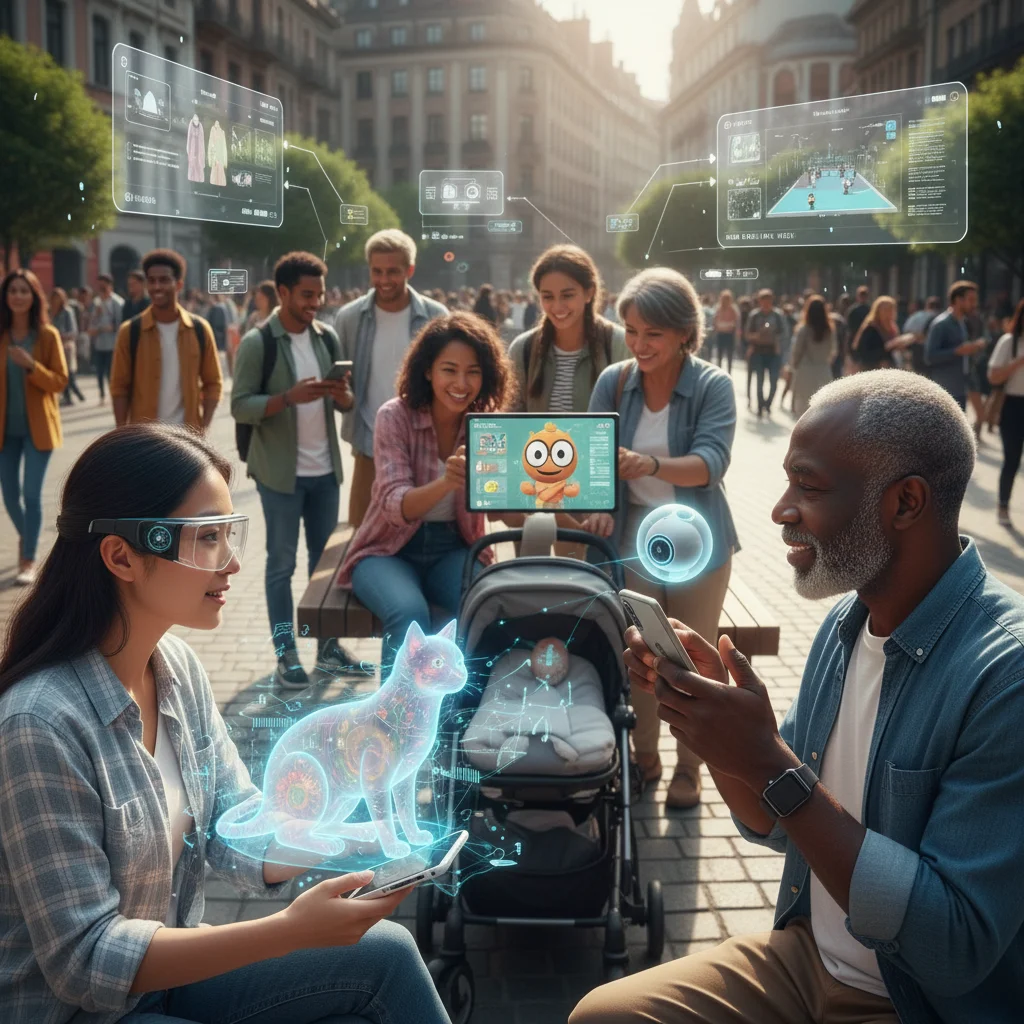
As AI companions become more sophisticated, the line between human and artificial interaction will become increasingly blurred. This raises important questions about the nature of companionship, empathy, and consciousness. While these platforms are designed to be helpful, understanding the boundaries and inherent differences between human and AI relationships will be crucial. This evolution will force us to reconsider our relationship with technology and how it integrates into our social fabric.
Ethical Considerations and Future Challenges
With great power comes great responsibility. The widespread adoption of AI Companion Platforms also brings forth significant ethical considerations. Data privacy and security are paramount, given the intimate nature of interactions with these AIs. Ensuring transparency in how these systems learn and make decisions, along with preventing biases, will be ongoing challenges. The potential for over-reliance on AI, the impact on human social skills, and the psychological effects of forming bonds with artificial entities are areas that require careful research and thoughtful regulation.
Developers are keenly aware of these challenges and are working to implement robust ethical frameworks, explainable AI (XAI) principles, and user-centric design to mitigate potential harms. The goal is to maximize the benefits of these platforms while safeguarding user well-being and societal values.
Choosing Your AI Companion: What to Look For
As the market for AI Companion Platforms expands, choosing the right one will depend on your individual needs and priorities. Here are some factors to consider:
- Purpose: Are you looking for productivity assistance, emotional support, learning, or a combination? Different platforms excel in different areas.
- Personalization & Adaptability: How well does the AI learn your preferences and adapt its responses over time?
- Privacy & Security: Investigate the platform’s data handling policies, encryption methods, and commitment to user privacy.
- Emotional Intelligence: If emotional support is a priority, evaluate the AI’s ability to understand and respond to nuanced emotional cues.
- Integration: Does it seamlessly integrate with your existing devices and software ecosystem?
- Ethical Guidelines: Look for platforms that openly discuss their ethical frameworks and commitment to responsible AI development.
- User Interface & Experience: An intuitive and pleasant interface is crucial for regular interaction.
- Cost: Many platforms offer freemium models, but premium features often come with a subscription.
Trialing different platforms and reading reviews can provide valuable insights before committing to a particular AI companion. The best platform for you will be one that aligns with your lifestyle, values, and specific requirements.
The Future is Conversational: Beyond 2024
The developments in AI Companion Platforms in 2024 are just the beginning. Looking further into the future, we can anticipate even more sophisticated capabilities. Imagine AI companions that can:
- Proactively manage your environment: Adjusting smart home settings based on your mood or schedule without explicit commands.
- Facilitate complex social interactions: Helping introverts practice social skills or assisting individuals with communication disorders.
- Offer hyper-realistic simulations: For training, education, or even entertainment, creating fully immersive digital experiences.
- Continuously evolve their personalities: Developing distinct traits and memories that make each AI companion truly unique to its user.
- Collaborate seamlessly with other AIs: Forming a network of intelligent agents working together to optimize various aspects of your life.
The vision is clear: AI companions are moving towards becoming truly intelligent, empathetic, and integrated partners in our lives. They will not just be tools but extensions of our capabilities, enhancing our cognitive functions, supporting our emotional well-being, and enriching our daily experiences.
Conclusion
The year 2024 marks a pivotal moment in the evolution of Artificial Intelligence, particularly with the rise of advanced AI Companion Platforms. These innovative systems are transforming our digital lives, offering unprecedented levels of personalization, productivity enhancement, emotional support, and specialized mentorship. From hyper-personalized assistants that optimize our daily routines to empathetic companions that offer a listening ear, and expert mentors that accelerate our learning, the impact is undeniable.
While the opportunities are vast and exciting, it’s crucial to navigate this new frontier with a keen awareness of the ethical considerations surrounding data privacy, bias, and the nature of human-AI relationships. As these platforms become more integrated into our lives, a balanced approach that prioritizes user well-being, transparency, and responsible development will be key to harnessing their full potential.
The future of digital life is conversational, intelligent, and deeply personal. The new AI Companion Platforms are not just changing how we interact with technology; they are reshaping our very understanding of companionship and assistance in the 21st century. Embrace the change, explore the possibilities, and get ready for a more connected, efficient, and emotionally intelligent digital existence.