Next-Gen Mobile Biometrics: 4 Security Enhancements for US Devices Arriving by 2026
The landscape of digital security is in a constant state of flux, driven by an arms race between cybercriminals and innovators. As our lives become increasingly intertwined with our mobile devices, the need for robust and seamless authentication methods has never been more critical. Traditional passwords are a relic of a bygone era, easily compromised and frequently inconvenient. Enter mobile biometrics security – a field that is rapidly evolving to offer unparalleled protection and user experience. By 2026, we are poised to witness a significant transformation in how US devices secure our personal data and transactions, with four key enhancements leading the charge.
This article will delve deep into these impending advancements, exploring how they will reshape our digital interactions, bolster our defenses against sophisticated threats, and ultimately provide a more secure and intuitive mobile experience. From the foundational principles of biometrics to the cutting-edge technologies on the horizon, we will examine the implications for users, developers, and the broader cybersecurity ecosystem. Understanding these changes is not just about staying informed; it’s about preparing for a future where our identity is our strongest shield.
The Evolution of Mobile Biometrics Security: A Brief History
Before we project into the future, it’s essential to understand the journey of mobile biometrics security. What started with rudimentary fingerprint scanners in the early 2000s has evolved into sophisticated systems capable of recognizing unique biological and behavioral traits. The initial adoption was often met with skepticism, primarily due to concerns about accuracy, speed, and privacy. Early fingerprint sensors, for instance, could be finicky, failing to recognize prints due to minor smudges or moisture. Facial recognition, too, had its early limitations, often struggling in varying light conditions or with subtle changes in appearance.
However, continuous innovation, fueled by advancements in sensor technology, artificial intelligence, and machine learning, has propelled biometrics into the mainstream. Today, most smartphones come equipped with highly reliable fingerprint sensors (capacitive, optical, or ultrasonic) and advanced facial recognition systems (2D and 3D). These technologies have moved beyond mere device unlocking, now securing financial transactions, accessing sensitive applications, and even authenticating online identities. The convenience offered by these systems – eliminating the need to remember complex passwords – has been a major driver of their widespread acceptance.
The journey hasn’t been without its challenges. The inherent uniqueness of biometric data makes its compromise particularly severe, as it cannot be changed like a password. This has led to a strong emphasis on secure storage and processing of biometric templates, often involving encryption and isolated secure enclaves within the device hardware. The industry has also grappled with the ethical implications of biometric data collection and usage, prompting stricter regulations and a greater focus on user consent and transparency. As we look towards 2026, these foundational lessons will continue to inform the development of even more robust and privacy-centric mobile biometrics security solutions.
The push for enhanced security is not merely about convenience; it’s a direct response to the escalating sophistication of cyber threats. Phishing attacks, malware, and data breaches are becoming more prevalent and damaging. Traditional authentication methods, such as PINs and passwords, are proving increasingly inadequate against these evolving dangers. Biometrics, by leveraging unique physical or behavioral characteristics, offers a far more resilient barrier. This inherent strength is what makes the future advancements in mobile biometrics security so exciting and vital for protecting our digital lives. The next wave of innovation promises to address current vulnerabilities and introduce entirely new paradigms of trust and authentication.
Furthermore, the integration of biometrics into daily life extends beyond personal devices. We see it in payment systems, access control, and even border security. This pervasive adoption underscores the trust placed in these technologies, a trust that is continually being reinforced by improvements in accuracy, speed, and overall reliability. The future of mobile biometrics security is not just about making our phones safer; it’s about building a more secure digital ecosystem where our identity is verified seamlessly and with the highest degree of assurance. The upcoming enhancements will build upon this strong foundation, pushing the boundaries of what’s possible in secure mobile authentication.
Enhancement 1: Multi-Modal Biometric Fusion
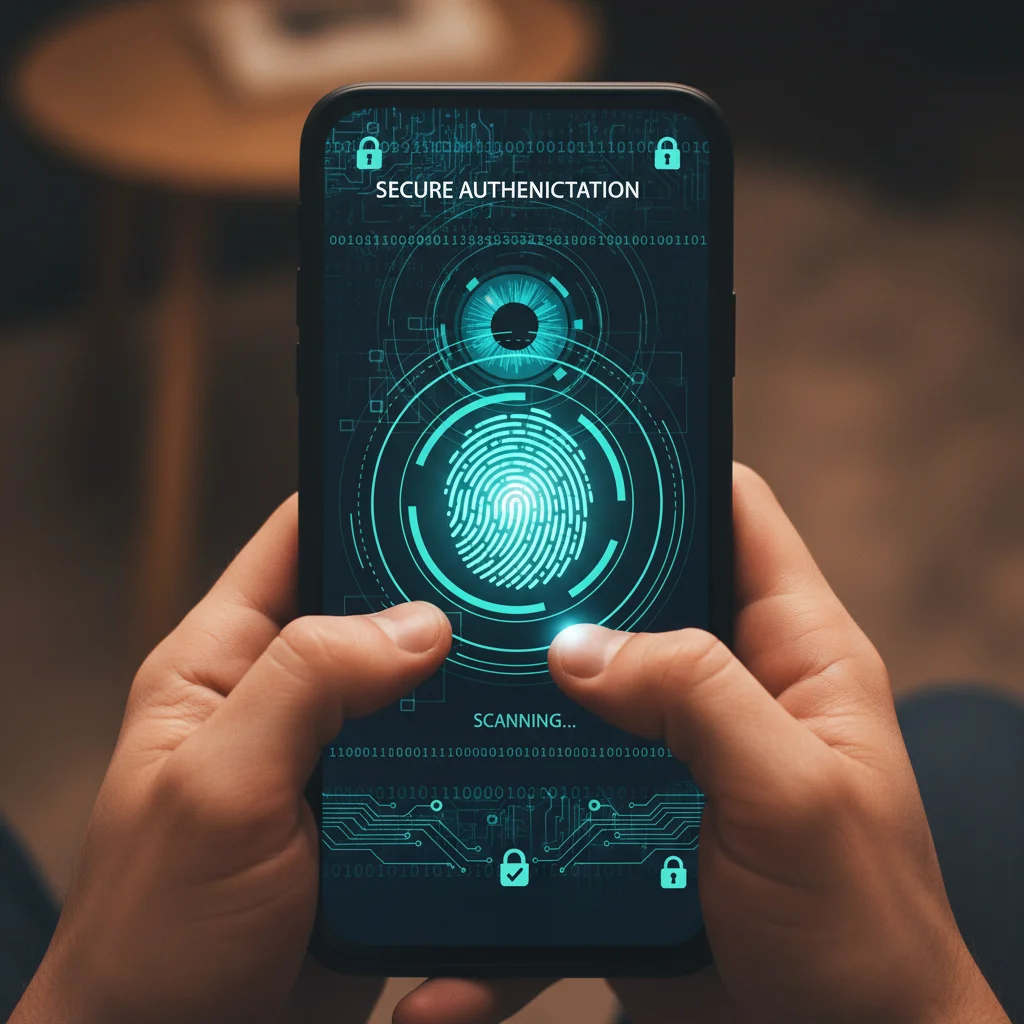
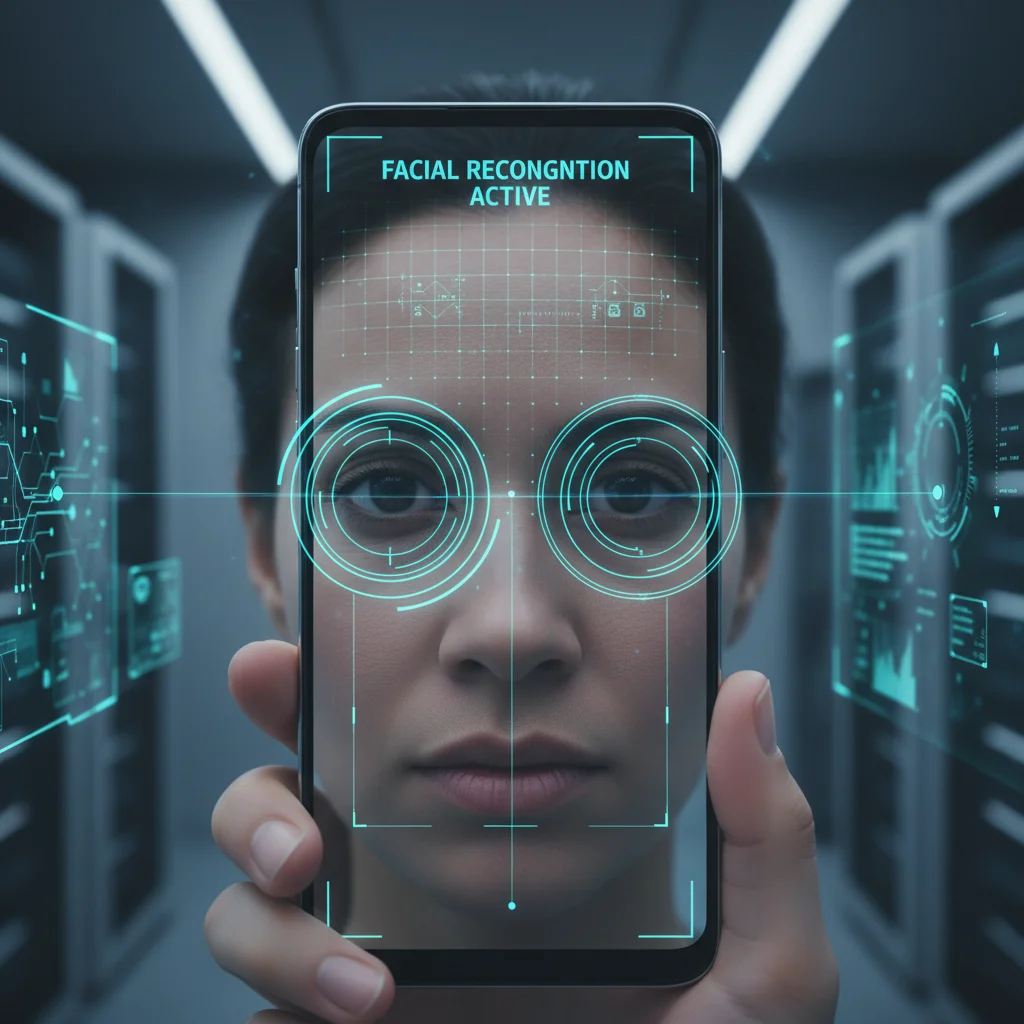
One of the most significant advancements expected in mobile biometrics security by 2026 is the widespread adoption of multi-modal biometric fusion. Rather than relying on a single biometric identifier like a fingerprint or a face scan, multi-modal systems combine two or more distinct biometrics to create a more robust and virtually unhackable authentication process. Imagine unlocking your phone not just with your face, but also with a subtle glance at your iris or a simultaneous finger scan.
The power of multi-modal fusion lies in its ability to compensate for the weaknesses of individual biometric modalities. For example, while facial recognition might be fooled by a sophisticated mask, combining it with a live iris scan (which is incredibly difficult to spoof) dramatically increases security. Similarly, a fingerprint scanner might be vulnerable to spoofing with a high-quality replica, but pairing it with voice recognition or behavioral biometrics creates a much stronger defense. This layered approach ensures that even if one biometric is compromised, the others act as redundant security checks, making it exponentially harder for unauthorized access.
Furthermore, multi-modal systems can dynamically adapt to different security contexts. For a low-risk action like checking notifications, a single biometric might suffice. However, for a high-value transaction, such as a bank transfer, the system could automatically demand a combination of facial recognition and a fingerprint scan, or even an iris scan. This intelligent adaptability not only enhances security but also maintains a high level of user convenience by avoiding unnecessary friction for everyday tasks.
The technological underpinnings of multi-modal fusion involve advanced sensor integration and sophisticated AI algorithms. Devices will be equipped with an array of sensors – high-resolution cameras, infrared sensors, ultrasonic fingerprint readers, and perhaps even dedicated iris scanners – all working in concert. Machine learning models will then process and correlate the data from these different modalities in real-time, assessing the authenticity of the user with an unprecedented degree of accuracy. The result is a seamless yet incredibly secure authentication experience that sets a new standard for mobile biometrics security.
The implementation of multi-modal biometrics will also address the ‘liveness detection’ problem more effectively. Liveness detection aims to differentiate a live human from a spoof attempt (e.g., a photo, a video, or a prosthetic). By combining multiple biometrics, each with its own liveness detection mechanisms, the overall system becomes far more resilient to spoofing attacks. For instance, a system might check for the subtle movements of a live face, the unique blood vessel patterns of an iris, and the texture and heat signature of a living finger simultaneously. This comprehensive approach will make it significantly harder for malicious actors to bypass authentication protocols, solidifying the integrity of mobile biometrics security.
Enhancement 2: Behavioral Biometrics and Continuous Authentication
Beyond static physical traits, the next frontier in mobile biometrics security is behavioral biometrics coupled with continuous authentication. This exciting development moves beyond a one-time authentication event at login to continuously verify the user’s identity based on their unique interaction patterns with the device. Think of it as your phone constantly learning and recognizing ‘you’ through your digital habits.
Behavioral biometrics analyzes a wide array of unconscious user behaviors, including:
- Typing rhythm: The speed, pressure, and cadence with which you type on your keyboard.
- Swipe patterns: The unique way you swipe, scroll, and tap on the screen.
- Gait and posture: How you hold and move your device.
- Voice cadence and tone: Subtle characteristics of your voice during interactions.
- Application usage patterns: Which apps you open, in what order, and for how long.
By collecting and analyzing this continuous stream of data, AI and machine learning algorithms build a unique profile of the legitimate user. If the device detects deviations from this established profile – for example, if someone else picks up your phone and starts typing with a different rhythm or navigating apps in an unfamiliar way – it can flag the activity as suspicious and prompt for re-authentication or even lock the device automatically. This proactive approach significantly enhances mobile biometrics security by making unauthorized access much harder to maintain even after an initial successful login.
The beauty of continuous authentication is its unobtrusiveness. Unlike traditional biometrics that require a conscious action from the user, behavioral biometrics works silently in the background, adding a layer of security without disrupting the user experience. This means that even if a device is unlocked by a compromised biometric or an opportunistic thief, the continuous monitoring can quickly detect the anomaly and prevent further access to sensitive information or functions.
For businesses and individuals alike, this translates to a higher level of protection against session hijacking, insider threats, and even sophisticated malware that might attempt to mimic legitimate user actions. By 2026, we can expect this form of dynamic and adaptive mobile biometrics security to become a standard feature in high-end devices and security-sensitive applications, providing an always-on guardian for our digital identities. The integration of behavioral biometrics will mark a significant shift from static authentication to a fluid, continuous verification process, making mobile devices inherently more secure and responsive to potential threats.
The development of robust behavioral biometric systems requires significant computational power and advanced algorithms capable of handling vast amounts of data in real-time. Edge computing, where data processing happens closer to the source (i.e., on the device itself), will play a crucial role in making continuous authentication efficient and privacy-preserving. This minimizes the need to send raw behavioral data to cloud servers, reducing latency and potential privacy risks. As devices become more powerful, their ability to learn and adapt to individual user behaviors will only improve, leading to an even more accurate and seamless mobile biometrics security experience. This continuous learning process also means the system becomes more secure over time as it gathers more data on the legitimate user’s habits, making it even harder for imposters to mimic.
Enhancement 3: On-Device Secure Element and Decentralized Biometric Storage
The security of biometric data itself is paramount. A major concern with current biometric systems is the centralized storage of biometric templates, which, if breached, could lead to irreversible identity compromise. The third key enhancement for mobile biometrics security by 2026 involves a stronger emphasis on on-device secure elements and decentralized biometric storage, moving away from vulnerable centralized databases.
A Secure Element (SE) is a tamper-resistant hardware component embedded within a mobile device, designed to store sensitive data like cryptographic keys and biometric templates in an isolated and highly protected environment. This is distinct from the device’s main processor and operating system, making it extremely difficult for malware or unauthorized software to access the stored biometric data. Even if the main operating system is compromised, the biometric templates within the SE remain secure.
By 2026, we anticipate that virtually all new US mobile devices will feature enhanced Secure Elements, potentially with dedicated processing units for biometric matching. This means that the biometric comparison – the process of matching a live scan against a stored template – will occur entirely within this secure enclave. The device will only output a ‘yes’ or ‘no’ authentication signal, never exposing the raw biometric data or the template to the general operating system or cloud services. This dramatically reduces the attack surface for biometric data theft.
Furthermore, the concept of decentralized biometric storage will gain traction. Instead of storing biometric templates on a cloud server or a third-party database, each user’s unique biometric data will reside exclusively on their own device, within its secure element. This approach aligns with the principles of privacy-by-design and self-sovereign identity. If a hacker breaches a central server, they won’t find a treasure trove of biometric data. Instead, they would need to individually compromise each device, a far more challenging and less scalable endeavor. This paradigm shift will fundamentally alter the risk profile associated with mobile biometrics security.
This decentralized model, often leveraging technologies like blockchain or distributed ledger technology (DLT) for secure key management and verification, ensures that users retain full control over their biometric data. They grant permission for its use on their specific device, and the data never leaves that secure environment. This not only enhances security but also significantly boosts user trust in biometric authentication systems, addressing long-standing privacy concerns related to biometric data collection and storage. The move towards on-device secure elements and decentralized storage represents a critical maturation of mobile biometrics security, prioritizing user data integrity above all else.
The advancements in secure element technology will also include more sophisticated hardware-based attestation mechanisms. These mechanisms will allow the device to cryptographically prove its integrity and the authenticity of its secure element to remote services. This means that a financial institution, for example, can be assured that the biometric authentication request is indeed coming from a legitimate, untampered device, further bolstering trust in mobile transactions. This hardware-level security, combined with decentralized storage, creates an impregnable fortress for our biometric identities, making mobile biometrics security more reliable and trustworthy than ever before.
Enhancement 4: Biometric-as-a-Service (BaaS) with Privacy-Enhancing Technologies
The fourth significant enhancement in mobile biometrics security by 2026 will be the evolution of Biometric-as-a-Service (BaaS) coupled with advanced Privacy-Enhancing Technologies (PETs). While the previous point emphasized on-device storage, there are still scenarios where remote biometric verification is necessary, especially for cross-platform authentication or large-scale identity verification. BaaS platforms allow developers to integrate biometric authentication into their applications without having to build and maintain complex biometric infrastructure themselves.
The challenge with traditional BaaS has been the potential for biometric data to be transmitted and processed on third-party servers, raising privacy concerns. However, by 2026, BaaS offerings will be revolutionized by the integration of cutting-edge PETs such as Homomorphic Encryption and Zero-Knowledge Proofs (ZKPs).
- Homomorphic Encryption: This groundbreaking cryptographic technique allows computations to be performed on encrypted data without decrypting it first. In the context of BaaS, this means that biometric matching algorithms can operate on encrypted biometric templates in the cloud, without the BaaS provider ever having access to the raw, unencrypted biometric data. The result of the comparison (a match or no match) is then returned, still encrypted, to the user’s device for final verification. This ensures that the biometric data remains confidential even during remote processing, a massive leap forward for mobile biometrics security.
- Zero-Knowledge Proofs (ZKPs): ZKPs allow one party (the prover) to prove to another party (the verifier) that a statement is true, without revealing any information beyond the validity of the statement itself. For BaaS, this could mean that a user can prove they possess a valid biometric credential (e.g., a stored fingerprint template matches a live scan) to a remote service, without actually sending the biometric data itself. The service only receives a cryptographic proof that the match occurred successfully, preserving the user’s privacy while still enabling robust authentication.
These PETs will enable a new generation of BaaS platforms that offer the convenience and scalability of cloud-based services, but with the privacy and security guarantees typically associated with on-device processing. This will unlock new possibilities for secure online identity verification, seamless access to multiple digital services, and even cross-device authentication, all while maintaining the highest standards of data protection. The adoption of BaaS with PETs will be particularly impactful for industries requiring strong regulatory compliance, such as finance and healthcare, where the secure handling of sensitive personal information is paramount. This advancement will redefine the capabilities of mobile biometrics security in networked environments.
The shift towards BaaS with PETs also signifies a growing maturity in the cybersecurity industry’s approach to data privacy. It recognizes that security and privacy are not mutually exclusive but rather complementary goals. By embedding privacy-enhancing technologies directly into the core of biometric services, developers can build applications that are not only secure against external threats but also inherently protective of user data from the service providers themselves. This fosters greater trust in the digital ecosystem and accelerates the adoption of advanced mobile biometrics security solutions across a broader range of applications and services. The future promises a world where biometric authentication is both powerful and profoundly private.
The Impact on User Experience and Privacy
The impending enhancements in mobile biometrics security by 2026 are not just about making devices more secure; they will profoundly impact user experience and privacy. The goal is to create a security framework that is both invisible and impenetrable.
Seamless and Intuitive Authentication
Multi-modal fusion and behavioral biometrics will lead to an authentication experience that is far more seamless and intuitive than anything we have today. Imagine a device that unlocks before you even consciously interact with it, simply by recognizing your face, your grip, and your typing style. This ‘zero-friction’ security will remove the minor but persistent annoyance of explicit authentication steps, making our devices feel more like natural extensions of ourselves. The continuous authentication aspect means that once you’re in, you stay in, protected by an invisible guard monitoring your interactions for any anomalies. This level of convenience, combined with heightened security, is a game-changer for mobile biometrics security.
Unprecedented Privacy Safeguards
The emphasis on on-device secure elements, decentralized storage, and privacy-enhancing technologies like homomorphic encryption and ZKPs will usher in an era of unprecedented privacy for biometric data. Users will have greater assurance that their unique biological identifiers are not being stored in vulnerable centralized databases or processed in an unencrypted form by third parties. This shift empowers users with more control over their own data, addressing many of the ethical and privacy concerns that have historically surrounded biometric technology. The future of mobile biometrics security will be defined by its ability to protect identity without compromise.
Reducing the Risk of Identity Theft
With more robust and layered biometric authentication, the risk of digital identity theft will significantly decrease. The combination of multiple, difficult-to-spoof biometrics, continuous behavioral monitoring, and hardware-level security will create a formidable barrier against even the most sophisticated cybercriminals. If a device is lost or stolen, the chances of an unauthorized individual gaining access to sensitive personal and financial information will be dramatically reduced. This provides peace of mind and fosters greater trust in mobile platforms for critical activities like banking, shopping, and managing personal health records. The advancements in mobile biometrics security are a direct countermeasure to the rising tide of cybercrime.
Challenges and Ethical Considerations
While the future of mobile biometrics security looks promising, it’s not without its challenges. Ensuring equitable access to these advanced technologies, addressing potential biases in AI-driven biometric systems, and establishing clear legal and ethical frameworks for their use will be crucial. Public education and transparency about how biometric data is collected, processed, and secured will also be vital in fostering continued trust and adoption. The industry must work collaboratively to ensure that these powerful new tools are developed and deployed responsibly, upholding both security and fundamental human rights.
Conclusion: A More Secure Mobile Future by 2026
The rapid acceleration in mobile biometrics security is set to redefine our interactions with digital devices. By 2026, the integration of multi-modal biometric fusion, behavioral biometrics with continuous authentication, enhanced on-device secure elements and decentralized storage, and privacy-preserving BaaS will collectively create a mobile ecosystem that is significantly more secure and resilient against cyber threats. These advancements promise a future where our mobile devices are not just convenient tools but impenetrable fortresses for our digital identities.
As these technologies mature, we can expect a shift towards a more proactive and invisible form of security, where authentication is seamless, continuous, and deeply integrated into the user experience. The era of vulnerable passwords is truly drawing to a close, replaced by sophisticated systems that leverage our unique biological and behavioral traits. This evolution in mobile biometrics security will not only protect our personal data but also foster greater trust in the digital realm, enabling innovation and empowering users with unparalleled control over their digital lives. The future of mobile security is bright, secure, and profoundly personal.