Master Mindful Digital Consumption: Reduce Screen Time 20% with Top Apps

Master Mindful Digital Consumption: Reduce Screen Time 20% with Top Apps
In our hyper-connected world, the glow of screens has become an almost constant companion. From the moment we wake up to the last moments before sleep, our digital devices vie for our attention, promising connection, information, and entertainment. While technology undoubtedly offers incredible benefits, the pervasive nature of digital consumption has led many to feel overwhelmed, distracted, and perpetually ‘on.’ This isn’t just a feeling; studies consistently show a correlation between excessive screen time and issues like decreased attention span, sleep disturbances, increased anxiety, and reduced productivity.
The good news? You’re not alone in seeking a healthier balance. A growing number of individuals are recognizing the need for mindful digital consumption – a conscious approach to how and when we engage with our devices. This isn’t about shunning technology entirely; rather, it’s about regaining control, setting boundaries, and ensuring that our digital interactions serve our well-being, not detract from it. Our goal in this comprehensive guide is ambitious yet entirely achievable: to help you reduce screen time by a significant 20% in just three months, leveraging the power of smart strategies and innovative applications.
Imagine reclaiming hours each week, not just for other activities, but for deeper concentration, more meaningful interactions, and a greater sense of presence. This guide will walk you through the ‘why,’ the ‘how,’ and the ‘what’ of achieving this digital transformation. We’ll explore the hidden costs of excessive screen time, introduce practical techniques for setting boundaries, and, crucially, highlight the best apps designed to support your journey towards mindful digital consumption. By the end, you’ll have a clear roadmap to a more balanced and fulfilling digital life.
The Silent Epidemic: Understanding the Impact of Excessive Screen Time
Before we dive into solutions, it’s crucial to understand why reducing screen time is so important. The impact of constant digital engagement extends far beyond mere distraction. It affects our cognitive functions, emotional well-being, physical health, and even our relationships.
Cognitive Overload and Diminished Focus
Our brains are not designed for the constant barrage of notifications, endless scrolling, and rapid context switching that digital devices encourage. This leads to what’s known as cognitive overload, making it harder to concentrate on single tasks, retain information, and engage in deep work. The ability to focus for extended periods, a cornerstone of productivity and creativity, is eroded by the constant demand for our attention. When we constantly check our phones, even for a second, it takes our brain significant time to re-engage with the original task, leading to a fragmented workflow and reduced efficiency. To truly reduce screen time, we must acknowledge this cognitive cost.
Sleep Disturbances and Circadian Rhythm Disruption
The blue light emitted from screens suppresses melatonin production, the hormone responsible for regulating our sleep-wake cycle. Using devices close to bedtime can therefore significantly disrupt sleep patterns, leading to insomnia, poor sleep quality, and daytime fatigue. Furthermore, the stimulating content we consume – be it social media, news, or entertainment – can keep our minds active and alert, making it difficult to wind down and achieve restful sleep. Prioritizing sleep is a powerful motivator to reduce screen time in the evenings.
Mental Health Implications: Anxiety, Depression, and FOMO
While digital platforms can connect us, they can also foster feelings of inadequacy, anxiety, and depression. The curated, often idealized, lives presented on social media can lead to social comparison and a sense of ‘Fear Of Missing Out’ (FOMO). Constant exposure to negative news cycles can also contribute to heightened stress levels. Moreover, the addictive nature of apps, designed to keep us engaged, can create a cycle of dependency that impacts mood and self-esteem. Breaking this cycle is key to improving mental well-being and a primary reason to reduce screen time.
Physical Health Concerns
Beyond the mental toll, excessive screen time contributes to a range of physical ailments. Sedentary behavior, often associated with prolonged device usage, increases the risk of obesity, cardiovascular disease, and type 2 diabetes. Eye strain, headaches, and musculoskeletal issues like ‘tech neck’ are also common complaints. Reducing reliance on screens encourages more physical activity and better posture, directly improving physical health.
Impact on Relationships and Real-World Engagement
Perhaps one of the most poignant impacts is on our real-world relationships. When we’re constantly checking our phones, we’re not fully present with the people around us. This ‘phubbing’ (phone snubbing) can lead to feelings of neglect and disconnection, even when physically together. Mindful digital consumption allows us to be more present, engage more deeply in conversations, and foster stronger, more authentic human connections. Learning to reduce screen time means investing more in our personal relationships.
Setting the Stage: Your 3-Month Plan to Reduce Screen Time by 20%
Achieving a 20% reduction in screen time over three months is a realistic and impactful goal. This isn’t about deprivation; it’s about intentionality. Here’s a structured approach to guide you:
Month 1: Awareness and Baseline Establishment
The first step to change is awareness. You can’t manage what you don’t measure. During month one, your primary focus will be on understanding your current digital habits without judgment.
- Track Your Usage: Utilize built-in screen time features on your smartphone (e.g., Apple’s Screen Time, Android’s Digital Wellbeing) or dedicated apps (which we’ll discuss later) to get an accurate picture of your daily and weekly screen time. Pay attention to which apps consume the most time.
- Identify Your Triggers: When do you typically reach for your phone? Is it out of boredom, stress, habit, or genuine need? Understanding these triggers is crucial for developing alternative behaviors.
- Set Small, Achievable Goals: Instead of aiming for a drastic cut, start with a modest reduction. For example, aim to reduce your screen time by 5-7% this month. This might mean 15-30 minutes less per day.
- Implement One ‘No-Phone Zone’: Choose one area or time of day where phones are off-limits. This could be during meals, in the bedroom an hour before sleep, or during family time.
Month 2: Strategic Reduction and Habit Building
With a baseline established, month two is about actively implementing strategies and building new, healthier habits to reduce screen time. This is where dedicated apps become particularly useful.
- App Cleanse and Notification Management: Delete unused apps. Turn off non-essential notifications. For apps you keep, consider turning off all notifications except for direct messages. This reduces the constant urge to check your phone.
- Schedule ‘Digital Downtime’: Designate specific blocks of time each day or week where you intentionally put your phone away. Use this time for hobbies, exercise, reading a physical book, or spending time with loved ones.
- Implement App Limits: Use your phone’s built-in features or third-party apps to set daily time limits for your most time-consuming apps. Once the limit is reached, the app becomes inaccessible for the rest of the day.
- Introduce a ‘Phone Bedtime’: Establish a consistent time each evening when your phone goes on ‘Do Not Disturb’ mode and is charged outside your bedroom.
- Increase Your Goal: Aim for an additional 7-8% reduction in screen time this month, bringing your total reduction to around 12-15%.
Month 3: Consolidation and Long-Term Sustainability
The final month focuses on solidifying your new habits and making them sustainable for the long term. You’ll refine your strategies and celebrate your progress.
- Refine Your App Usage: Review which apps are truly beneficial and which are still consuming too much time. Are there alternatives that serve your needs better without being as addictive?
- Cultivate Offline Hobbies: Actively seek out and engage in activities that don’t involve screens. The more fulfilling offline activities you have, the less you’ll feel the pull of your devices.
- Reflect and Adjust: Regularly check your screen time data. What’s working? What challenges are you still facing? Be flexible and adjust your strategies as needed.
- Celebrate Milestones: Acknowledge your progress! Reaching your 20% goal is a significant achievement. Reward yourself with something non-digital.
- Maintain and Adapt: Digital habits are not static. Continue to monitor your usage and adapt your strategies as technology and your needs evolve.
By following this structured plan, you’ll not only reduce screen time but also cultivate a more intentional and healthier relationship with technology.
The Digital Allies: Top Apps to Help You Reduce Screen Time
While willpower is essential, technology itself can be a powerful ally in your quest for mindful digital consumption. These apps are designed to help you track, limit, and reframe your relationship with your devices.
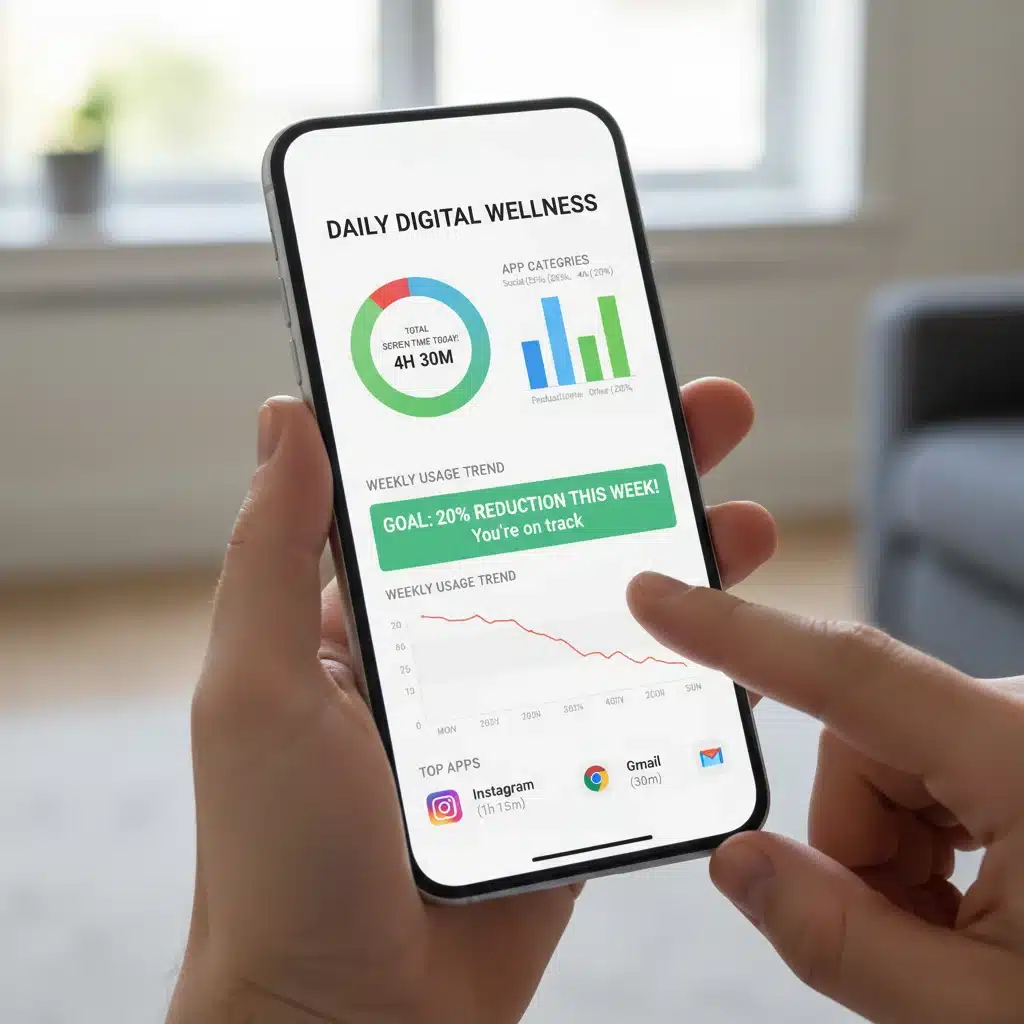
1. Freedom (iOS, Android, Mac, Windows, Chrome)
Freedom is arguably one of the most robust and comprehensive blocking apps available. It allows you to block websites and apps across all your devices simultaneously. You can schedule recurring blocks, start an instant session, or even create a ‘locked mode’ that prevents you from ending a session prematurely. Freedom is excellent for deep work or focused study periods, helping you eliminate distractions completely. It’s a powerful tool to reduce screen time by creating dedicated distraction-free zones.
- Key Features: Cross-device blocking, scheduled sessions, locked mode, custom blocklists.
- Best For: Individuals needing serious, multi-device distraction blocking for focused work or study.
2. Forest (iOS, Android, Chrome Extension)
Forest takes a gamified approach to productivity and screen time reduction. When you want to focus, you plant a virtual tree in the app. If you stay off your phone, the tree grows. If you leave the app or use your phone for other purposes, the tree dies. This simple yet effective mechanism encourages you to stay focused and provides a visual representation of your productive time. Even better, Forest partners with a real tree-planting organization, so your virtual efforts contribute to real-world reforestation. It’s a delightful way to reduce screen time and contribute to a good cause.
- Key Features: Gamified focus, real tree planting, customizable whitelist, detailed usage statistics.
- Best For: Those who respond well to positive reinforcement and visual progress, and want to support environmental causes.
3. QualityTime (Android)
QualityTime is an excellent Android-specific app that provides detailed insights into your smartphone usage. It tracks total screen time, app usage frequency, and even how many times you unlock your device. Beyond tracking, it offers features like ‘Take a Break’ (where you can’t access your phone for a set period) and scheduled ‘Alerts’ for excessive usage. It’s a fantastic tool for gaining awareness and setting initial boundaries to reduce screen time.
- Key Features: Comprehensive usage tracking, app-specific usage limits, ‘Take a Break’ feature, scheduled alerts.
- Best For: Android users seeking detailed insights and active management of their app usage.
4. Moment (iOS)
Moment, for iOS users, acts as a personal coach for your phone habits. It tracks your family’s screen time, allows you to set daily limits for yourself and your children, and even offers guided coaching programs to help you cut back. Its ‘Screen Time Coaching’ feature provides personalized tips and challenges to help you achieve your goals. Moment is particularly good for families looking to collectively reduce screen time.
- Key Features: Family screen time tracking, daily limits, personalized coaching, ‘Moment for Families’ features.
- Best For: iOS users and families wanting a holistic approach to screen time management with coaching support.
5. StayFree (Android) / OffScreen (iOS)
These two apps, StayFree for Android and OffScreen for iOS, offer similar core functionalities. They provide detailed reports on app usage, allow you to set usage limits for specific apps or categories, and offer features like ‘Pause Apps’ or ‘Focus Mode’ to temporarily block distractions. They are user-friendly and highly customizable, making it easier to tailor your screen time reduction strategy to your individual needs. They offer robust features to help you consciously reduce screen time.
- Key Features: App usage reports, app limits, focus modes, ‘pause apps’ functionality.
- Best For: Users who want a straightforward and effective tool for tracking and limiting individual app usage.
6. Digital Wellbeing (Android) / Screen Time (iOS)
Don’t overlook the powerful built-in tools on your smartphone! Android’s Digital Wellbeing and Apple’s Screen Time offer robust features for tracking usage, setting app limits, scheduling downtime, and managing notifications. They are seamlessly integrated into your device’s operating system, making them incredibly convenient to use. Before downloading any third-party apps, explore these native options to kickstart your journey to reduce screen time.
- Key Features: Native integration, usage tracking, app limits, downtime scheduling, notification management.
- Best For: All smartphone users looking for a free, integrated solution to monitor and control screen time.
Beyond Apps: Holistic Strategies for Mindful Digital Consumption
While apps are invaluable tools, true mindful digital consumption goes beyond simply blocking access. It involves a shift in mindset and the adoption of new habits. Here are additional strategies to complement your app usage:
Create ‘No-Phone Zones’ and ‘No-Phone Times’
Designate specific physical spaces (e.g., the dining table, bedroom, bathroom) and time periods (e.g., first hour after waking, last hour before bed, during exercise) where your phone is strictly off-limits. This creates natural breaks from digital engagement and encourages presence in other aspects of your life. This is a fundamental step to truly reduce screen time.
Cultivate Offline Hobbies and Interests
What did you enjoy doing before smartphones became ubiquitous? Reconnect with old hobbies or discover new ones that don’t involve screens. Reading physical books, gardening, painting, playing an instrument, cooking, hiking, or engaging in sports can be incredibly fulfilling and provide a healthy alternative to endless scrolling. The more engaging your offline life, the less appealing constant digital engagement becomes.

Optimize Your Notifications
Most notifications are designed to pull you back into an app. Be ruthless in disabling non-essential notifications. Keep only those that are truly urgent or from direct personal contacts. Consider turning off badges (the little red numbers) as well, as they can also trigger a desire to check. A quieter phone is a less demanding phone, making it easier to reduce screen time.
Charge Your Phone Outside Your Bedroom
This simple habit can dramatically improve your sleep and reduce late-night scrolling. By charging your phone in another room, you eliminate the temptation to check it before bed or first thing in the morning. Invest in an old-fashioned alarm clock if you use your phone for waking up.
Practice Single-Tasking
In a world that promotes multitasking, focus on doing one thing at a time. When you’re working, just work. When you’re with friends, be present with them. When you’re reading, just read. This improves focus and reduces the urge to constantly switch between tasks and devices. This intentionality helps to reduce screen time by making your digital interactions more purposeful.
Mindful Mornings and Evenings
Start and end your day intentionally. Instead of grabbing your phone first thing, try a few minutes of meditation, stretching, journaling, or simply enjoying a quiet cup of coffee. Similarly, wind down in the evening without screens. Read a book, listen to music, or engage in a calming activity. These bookends to your day can significantly impact your overall digital consumption.
Set Clear Intentions for Device Use
Before picking up your phone, ask yourself: ‘Why am I doing this? What is my purpose?’ If the answer is ‘just checking’ or ‘boredom,’ consider if there’s a more productive or fulfilling alternative. Being intentional about your digital interactions helps to prevent mindless usage and supports your goal to reduce screen time.
Engage in Digital Detoxes
Periodically, consider a longer break from screens. This could be a few hours, a full day, or even a weekend. A digital detox can reset your relationship with technology, allowing you to experience life without constant digital interruption and appreciate the benefits of being truly offline.
Overcoming Challenges and Staying Motivated
Reducing screen time isn’t always easy. You might face challenges, and that’s perfectly normal. Here’s how to stay motivated and overcome common hurdles:
Be Patient and Kind to Yourself
Changing ingrained habits takes time. There will be days when you exceed your limits or fall back into old patterns. Don’t view these as failures; see them as opportunities to learn and adjust. Self-compassion is key to long-term success. Every small step towards your goal to reduce screen time is a victory.
Find an Accountability Partner
Share your goals with a friend, family member, or colleague. Having someone to check in with can provide motivation and encouragement. You can even challenge each other to see who can reduce screen time the most.
Focus on the Benefits, Not the Deprivation
Instead of thinking about what you’re ‘giving up,’ focus on what you’re gaining: improved focus, better sleep, stronger relationships, more time for hobbies, and a greater sense of peace. Keep a journal of these positive changes to reinforce your motivation.
Identify and Address Underlying Issues
Sometimes, excessive screen time can be a coping mechanism for stress, boredom, or loneliness. If you find yourself constantly reaching for your phone due to these feelings, explore healthier ways to address them, such as exercise, mindfulness, or connecting with friends in person. Addressing these root causes will naturally help you to reduce screen time.
Visualize Your Success
Regularly imagine what your life will look and feel like when you’ve successfully reduced your screen time. Visualize yourself enjoying offline activities, feeling more present, and having better focus. This positive visualization can be a powerful motivator.
Conclusion: Reclaiming Your Time and Attention
The journey to reduce screen time by 20% in three months is a commitment to a more mindful, balanced, and fulfilling life. It’s about taking control of your digital consumption and ensuring that technology serves you, rather than the other way around. By combining awareness, strategic planning, the intelligent use of apps, and holistic lifestyle adjustments, you can achieve this goal and unlock a wealth of benefits.
Remember, this isn’t a race to zero screen time; it’s about finding your optimal balance. It’s about being present, fostering genuine connections, and dedicating your precious time and attention to what truly matters. Start today, take it one step at a time, and celebrate every small victory. Your future self, with improved focus, better sleep, and a deeper connection to the world around you, will thank you for embracing mindful digital consumption.
Embrace the challenge, leverage the tools, and discover the freedom that comes with a healthier relationship with your digital devices. It’s time to reclaim your attention and live more fully in the real world.