Crafting a Balanced Digital Routine: 2026 Trends for U.S. Consumers
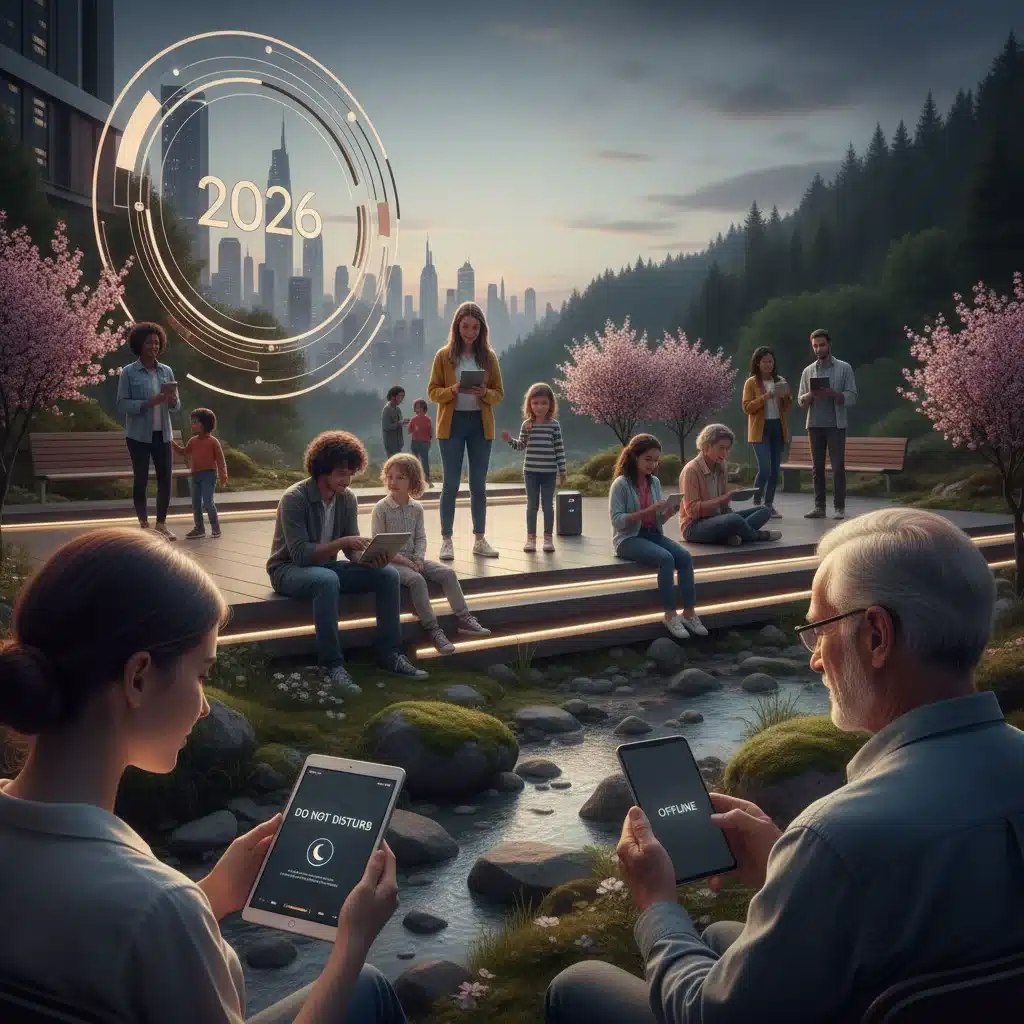
Crafting a Balanced Digital Routine: Insights from 2026 Trends for U.S. Consumers
In an increasingly interconnected world, the concept of a balanced digital routine has never been more critical. As we look ahead to 2026, U.S. consumers are navigating a landscape shaped by rapid technological advancements, evolving social norms, and a growing awareness of digital wellness. This comprehensive guide will delve into the trends defining our digital lives and offer actionable strategies for fostering a healthier, more productive relationship with technology. Understanding these shifts is paramount for anyone seeking to optimize their digital footprint without sacrificing the myriad benefits that technology offers.
The Evolving Digital Landscape in 2026
The year 2026 presents a unique set of challenges and opportunities for U.S. consumers striving for a balanced digital routine. Artificial intelligence (AI) has become more pervasive, integrating into daily tasks from smart home management to personalized health monitoring. Virtual and Augmented Reality (VR/AR) technologies are moving beyond niche gaming into mainstream applications for work, education, and social interaction. Simultaneously, concerns about data privacy, digital addiction, and the psychological impact of constant connectivity are at an all-time high. This dichotomy necessitates a proactive approach to digital consumption, moving beyond passive acceptance to active management.
Key Technological Trends Shaping Digital Routines
- Hyper-Personalization via AI: AI algorithms are now sophisticated enough to tailor digital experiences to an unprecedented degree. While convenient, this can create echo chambers and make it harder to disconnect.
- Ubiquitous Connectivity (5G/6G): Faster and more reliable internet access means seamless integration of digital services into every aspect of life, from smart cities to remote work.
- Immersive Digital Environments: The metaverse, in its various forms, offers new ways to interact, work, and play, blurring the lines between physical and virtual realities.
- Wearable Tech Integration: Smartwatches, health trackers, and even smart clothing are providing real-time data on our bodies and environments, contributing to a constant stream of digital input.
- Rise of Digital Assistants: More advanced and proactive digital assistants are managing schedules, automating tasks, and even offering emotional support, further embedding technology into daily life.
These trends, while offering immense potential for convenience and efficiency, also demand a greater degree of self-awareness and intentionality in how we engage with our devices and platforms. A truly balanced digital routine in 2026 will be defined not by avoidance, but by intelligent integration.
Understanding the Need for a Balanced Digital Routine
The human brain was not designed for the constant stimulation and information overload characteristic of modern digital life. Prolonged screen time, continuous notifications, and the pressure to be ‘always on’ can lead to a host of negative outcomes, including:
- Increased anxiety and stress
- Sleep disturbances and insomnia
- Reduced attention span and cognitive fatigue
- Social isolation despite digital connectivity
- Physical ailments like eye strain, headaches, and poor posture
A balanced digital routine is not about eliminating technology but about consciously choosing when, why, and how we use it. It’s about leveraging technology as a tool to enhance life, rather than allowing it to dictate our well-being. For U.S. consumers in 2026, this means developing resilience and strategies to navigate the digital world mindfully.
Strategies for Cultivating a Balanced Digital Routine in 2026
Achieving a harmonious digital life requires a multi-faceted approach. Here are practical strategies U.S. consumers can adopt to build a sustainable and healthy balanced digital routine:
1. Digital Audits and Awareness
The first step towards balance is understanding your current habits. Most smartphones and operating systems now offer detailed reports on screen time, app usage, and notification frequency. Take advantage of these tools to conduct a personal digital audit.
- Track Your Usage: For a week, meticulously note down how much time you spend on various apps and websites. Identify your ‘time sinks’ – platforms that consume disproportionate amounts of your time without providing significant value.
- Identify Triggers: What prompts you to pick up your phone? Is it boredom, stress, a notification, or habit? Recognizing these triggers is crucial for breaking unconscious patterns.
- Set Intentions: Before engaging with a device or app, ask yourself: What is my purpose in using this? Am I seeking information, connection, entertainment, or simply escaping? Intentional use is a cornerstone of a balanced digital routine.
2. Establishing Digital Boundaries and Zones
Physical and temporal boundaries can significantly reduce digital intrusion into your personal life.
- No-Phone Zones: Designate specific areas in your home as digital-free zones. This could be the dining table, bedroom, or even a specific chair in your living room. Encourage family members to adhere to these rules.
- Time-Blocking: Schedule specific times for checking emails, social media, or news. Outside these blocks, resist the urge to constantly check. Utilize ‘Do Not Disturb’ modes effectively.
- Digital Curfews: Implement a strict cut-off time for all digital devices before bed. The blue light emitted by screens can disrupt melatonin production, impairing sleep quality. Aim for at least one hour, ideally two, without screens before sleeping.
- Weekend Digital Detox: Consider dedicating a portion of your weekend, or even an entire day, to being completely unplugged. Engage in hobbies, nature, or face-to-face interactions.
3. Mindful Technology Integration
Instead of complete abstinence, focus on integrating technology mindfully into your life. This means leveraging its benefits without falling prey to its downsides.

- Curate Your Feed: Be ruthless in unfollowing accounts or unsubscribing from newsletters that don’t add value or actively make you feel worse. Fill your digital spaces with positive, informative, and inspiring content.
- Disable Non-Essential Notifications: Most apps default to sending numerous notifications. Go through your settings and turn off anything that isn’t absolutely critical. This reduces constant interruptions and helps maintain focus.
- Use Tech for Good: Reorient your digital use towards productive and enriching activities. This could include online learning, connecting with distant loved ones, or using apps for meditation and fitness.
- Digital Decluttering: Regularly delete unused apps, clear out old files, and organize your digital workspace. A cluttered digital environment can contribute to mental clutter.
4. Prioritizing Real-World Connections and Activities
A truly balanced digital routine always makes space for the tangible world and human connection.
- Scheduled Face-to-Face Time: Make a conscious effort to meet friends and family in person. Prioritize real-world interactions over purely digital ones.
- Embrace Hobbies: Reconnect with old hobbies or discover new ones that don’t involve screens. Reading physical books, gardening, sports, cooking, or creative arts can provide immense satisfaction and a much-needed break from digital input.
- Spend Time in Nature: Numerous studies highlight the restorative power of nature. Make it a point to spend time outdoors regularly, even if it’s just a walk in a local park.
- Mindful Eating: Practice eating meals without digital distractions. This enhances enjoyment, aids digestion, and fosters present-moment awareness.
5. Leveraging Digital Wellness Tools and Features
In response to growing demand, tech companies are integrating features designed to promote a healthier digital relationship. U.S. consumers should actively explore and utilize these tools in 2026.
- Screen Time Management Apps: Beyond built-in features, third-party apps offer advanced controls for setting app limits, blocking distracting websites, and scheduling digital breaks.
- Grayscale Mode: Experiment with turning your phone screen to grayscale. The lack of vibrant colors can make devices less appealing and reduce the urge to constantly check them.
- Focus Modes: Operating systems now offer sophisticated focus modes that allow you to customize which notifications come through during specific periods (e.g., work, sleep, personal time).
- Digital Wellbeing Dashboards: Regularly review these dashboards to stay informed about your usage patterns and make adjustments as needed.
Addressing Specific Challenges in 2026
The digital landscape of 2026 introduces new complexities that require specific strategies to maintain a balanced digital routine.
The Metaverse and Immersive Experiences
As VR/AR and metaverse platforms become more prevalent, the risk of extended immersion increases. Set clear time limits for engaging in these environments, just as you would for traditional screen time. Prioritize experiences that offer real-world benefits, such as collaborative work or educational simulations, over purely escapist ones.
AI-Driven Personalization and Echo Chambers
While AI can offer incredible convenience, it can also narrow your perspective by only showing you content it thinks you’ll like. Actively seek out diverse sources of information and opinions. Challenge AI-generated recommendations to broaden your horizons and avoid intellectual isolation.
Data Privacy and Digital Footprint Management
A healthy balanced digital routine also involves protecting your personal information. Regularly review privacy settings on all platforms, use strong, unique passwords, and be mindful of what information you share online. Consider using privacy-focused browsers and tools.
The Role of Education and Community in Digital Wellness
For U.S. consumers, fostering a balanced digital routine is not solely an individual endeavor. Education and community support play vital roles.
Educating Younger Generations
Children and teenagers are growing up in a hyper-digital world. Parents, educators, and communities must work together to teach digital literacy, critical thinking about online content, and the importance of offline activities from an early age. Modeling a balanced digital routine as an adult is the most powerful lesson.
Workplace Digital Wellness Initiatives
Employers have a responsibility to promote digital wellness among their staff. This can include encouraging regular breaks, discouraging after-hours emails, and providing resources for managing digital stress. A healthy workforce is a productive workforce.
Community Support Groups and Resources
Just as there are support groups for other forms of addiction, digital addiction and overuse are gaining recognition. Seeking out or forming community groups focused on digital wellness can provide shared strategies, accountability, and emotional support.

Measuring Success and Adapting Your Routine
A balanced digital routine is not a fixed state but an ongoing process of adjustment and refinement. What works for one person may not work for another, and what works today might need tweaking tomorrow as technology evolves and personal circumstances change.
- Regular Self-Assessment: Periodically check in with yourself. Are you feeling more rested, focused, and connected to the real world? Are you still achieving your digital goals effectively?
- Be Flexible: Life happens. There will be times when increased digital engagement is necessary (e.g., crunch time at work, connecting with a sick loved one). The goal is not perfection, but mindful awareness and the ability to return to balance.
- Focus on Well-being Metrics: Instead of solely tracking screen time, consider tracking broader well-being indicators. Are you sleeping better? Is your mood improved? Are you engaging more deeply with your hobbies and relationships? These are the true measures of a successful balanced digital routine.
- Stay Informed: Keep abreast of new digital wellness tools, research, and best practices. The digital world is dynamic, and so too should be your approach to managing it.
Conclusion: Embracing a Digitally Balanced Future
The year 2026 promises an even deeper integration of technology into the lives of U.S. consumers. However, this doesn’t necessitate a surrender to constant connectivity. By proactively crafting a balanced digital routine, individuals can harness the immense power of technology to enhance their lives, foster meaningful connections, and achieve personal and professional goals, all while safeguarding their mental and physical well-being. It requires awareness, intentionality, and a commitment to prioritizing human experience over digital immersion. The future of digital wellness is not about disconnecting entirely, but about connecting more wisely.
Embrace these strategies, experiment with what works best for you, and join the growing movement of U.S. consumers who are redefining their relationship with technology for a healthier, more fulfilling life in 2026 and beyond.