Future of Remote Work: Advanced Communication Apps for US Teams

Unlocking Digital Collaboration: Why 70% of US Remote Teams Will Rely on Advanced Communication Apps in 2026
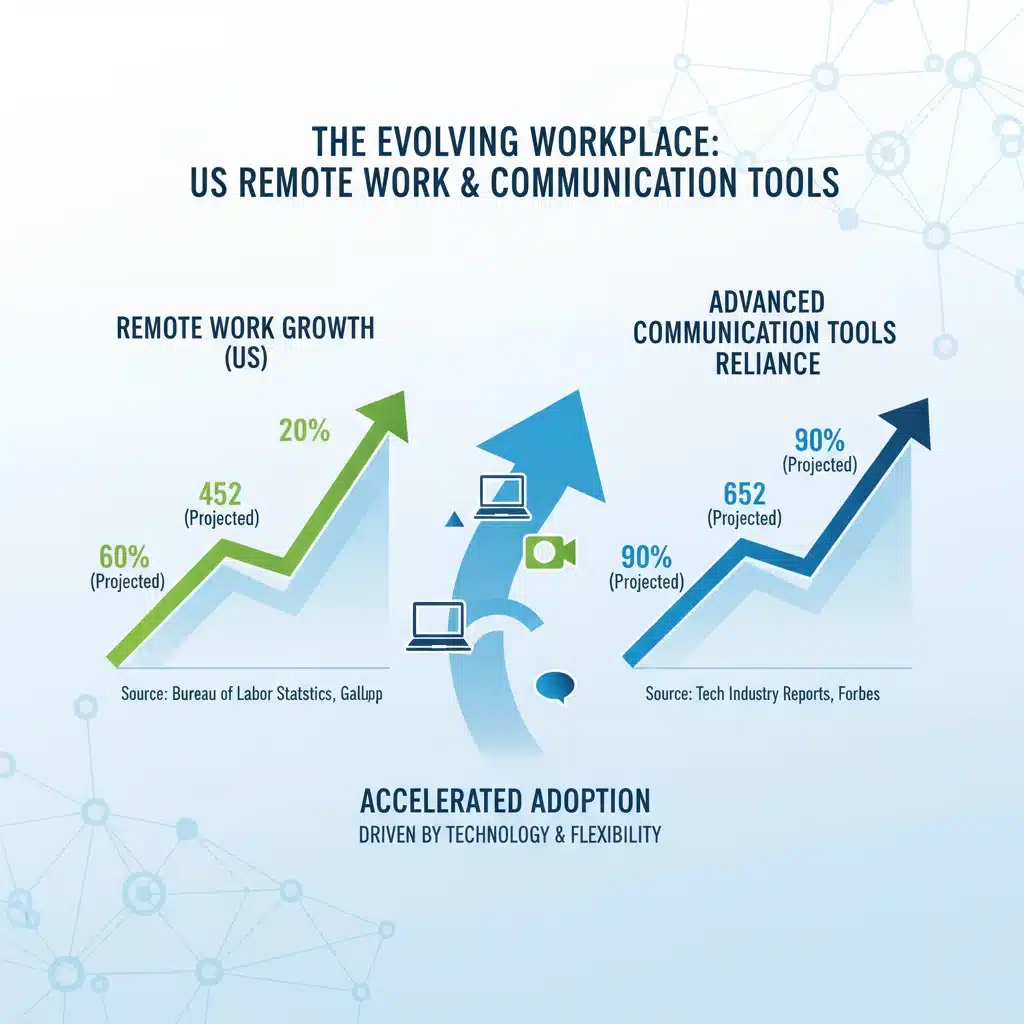
The global workforce has undergone a seismic shift in recent years, with remote work transitioning from a niche perk to a mainstream operational model. In the United States, this transformation is particularly pronounced, driven by technological advancements, evolving employee expectations, and a re-evaluation of traditional office structures. As we look towards 2026, projections indicate a staggering reliance on advanced communication applications by US remote teams, with estimates suggesting that over 70% will integrate these tools as fundamental to their operations. This isn’t merely about convenience; it’s about survival, efficiency, and fostering a cohesive work environment in a distributed world. The future of work is undeniably digital, and at its core lies sophisticated remote team communication.
This comprehensive article will delve into the multifaceted reasons behind this impending reliance, exploring the evolution of communication technologies, the tangible benefits they offer, and the challenges that necessitate their adoption. We will examine how these apps are redefining collaboration, boosting productivity, and maintaining company culture, all while navigating the complexities of a geographically dispersed workforce. From real-time messaging to immersive virtual environments, the landscape of digital interaction is expanding, promising a more connected and productive future for remote teams across the US.
The Evolution of Remote Work and Communication Needs
The journey to widespread remote work has been incremental yet transformative. What began as a flexible option for a select few has, in many sectors, become the default. The initial phases of remote work often relied on basic email and occasional phone calls, which quickly proved insufficient for complex projects and maintaining team cohesion. The advent of early video conferencing tools and instant messaging platforms marked a significant improvement, yet these often operated in silos, leading to fragmented communication and a disjointed workflow. The need for a more integrated, intuitive, and robust solution became glaringly apparent as remote teams grew in size and complexity.
Today, the demands on remote team communication tools are far greater. Teams require platforms that can replicate, and in many cases enhance, the spontaneous interactions and collaborative dynamics of a physical office. This includes not just real-time conversations but also shared workspaces, project management integration, document co-creation, and even informal social interactions that build camaraderie. The expectation is no longer just to communicate, but to truly collaborate, innovate, and build strong relationships, regardless of physical location. This elevated expectation is the primary driver behind the anticipated surge in advanced communication app adoption.
Defining ‘Advanced Communication Apps’: Beyond the Basics
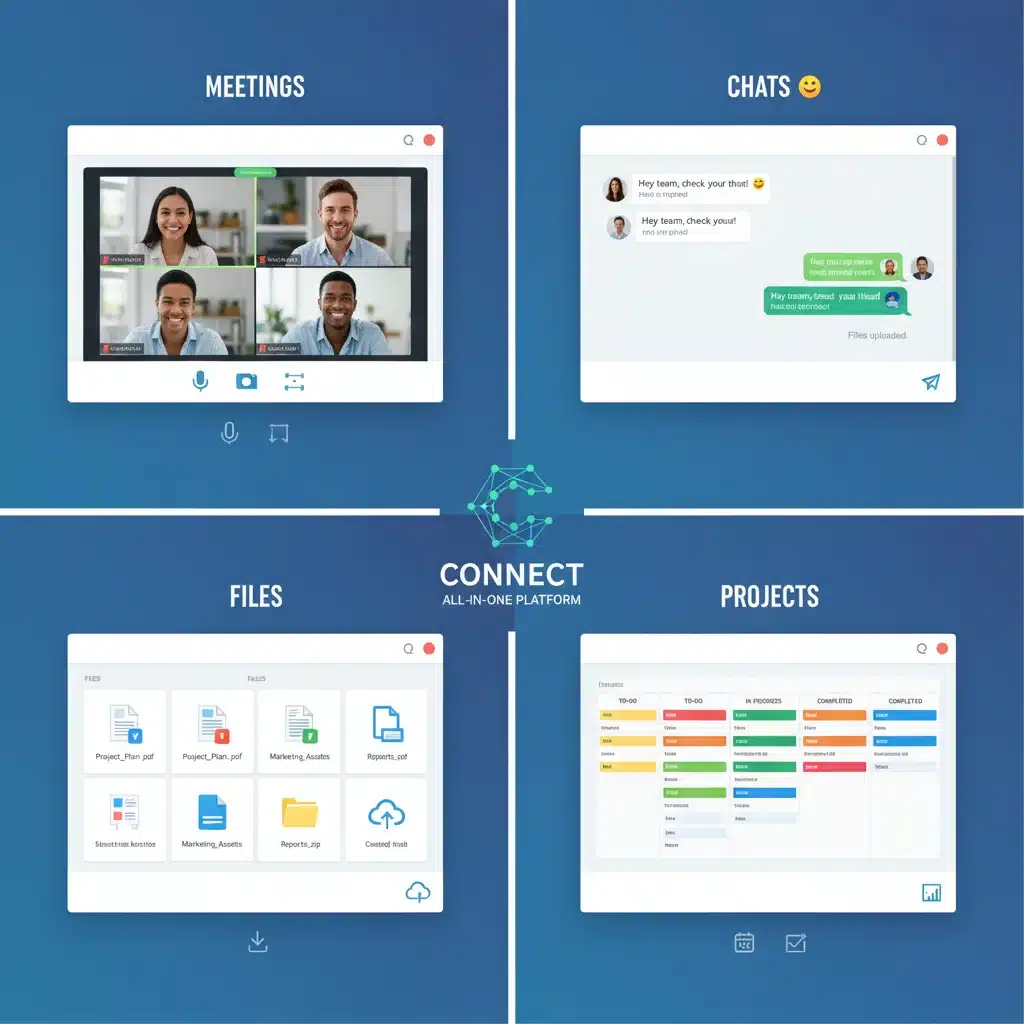
When we talk about ‘advanced communication apps,’ we’re referring to a new generation of tools that go far beyond simple chat or video calls. These are integrated platforms designed to serve as the central nervous system for remote operations. They typically encompass a suite of functionalities, including but not limited to:
- Unified Communications as a Service (UCaaS): Integrating voice, video, messaging, and data sharing into a single, seamless platform.
- AI-Powered Features: Transcribing meetings, summarizing discussions, suggesting action items, and even translating languages in real-time.
- Immersive Collaboration Spaces: Virtual whiteboards, digital canvases, and augmented reality (AR) tools that allow teams to brainstorm and co-create as if they were in the same room.
- Advanced Project Management Integration: Connecting communication directly to task assignments, progress tracking, and deadline management.
- Enhanced Security Protocols: Robust encryption, multi-factor authentication, and compliance features to protect sensitive data.
- Analytics and Insights: Providing data on team engagement, communication patterns, and productivity to help optimize workflows.
These features collectively transform how remote teams operate, moving them from merely communicating to actively collaborating and innovating. The shift is from reactive communication to proactive, intelligent interaction, making remote team communication more efficient and effective than ever before. This holistic approach is what defines the ‘advanced’ nature of these applications and why they are becoming indispensable for modern remote workforces.
The Driving Forces: Why US Remote Teams Are Adopting These Tools
Several critical factors are propelling US remote teams towards a greater reliance on advanced communication apps. Understanding these drivers is key to grasping the magnitude of this technological shift.
1. Enhancing Productivity and Efficiency
One of the most immediate and tangible benefits of advanced communication apps is their ability to streamline workflows and reduce friction. By centralizing communication and collaboration tools, teams spend less time switching between applications and more time focused on their core tasks. Features like integrated file sharing, shared calendars, and instant notifications ensure that information flows freely and decisions are made swiftly. Furthermore, AI-powered summaries and transcriptions save valuable time that would otherwise be spent on note-taking or reviewing lengthy meeting recordings. This direct impact on productivity makes these tools a non-negotiable investment for competitive organizations.
2. Fostering Seamless Collaboration
Effective collaboration is the cornerstone of any successful team, and it becomes even more critical in a remote setting. Advanced apps bridge geographical gaps by providing virtual spaces where team members can work together in real-time. Virtual whiteboards allow for dynamic brainstorming sessions, while co-editing features enable multiple individuals to work on documents simultaneously. These tools replicate the spontaneity and fluidity of in-person collaboration, ensuring that creative ideas and innovative solutions can emerge organically, regardless of where team members are located. This seamless collaboration is vital for maintaining project momentum and achieving collective goals for remote team communication.
3. Maintaining and Strengthening Company Culture
A common concern with remote work is the potential erosion of company culture and team cohesion. Advanced communication apps play a pivotal role in counteracting this by facilitating both formal and informal interactions. Features like virtual water coolers, dedicated social channels, and even virtual team-building games help foster a sense of community and belonging. Video conferencing with high-quality audio and video allows for more personal interactions, helping team members feel more connected to their colleagues and the organization’s mission. By providing avenues for social engagement, these apps help to build a strong, unified culture that transcends physical boundaries.
4. Attracting and Retaining Top Talent
In today’s competitive job market, companies that offer flexible work arrangements and equip their employees with state-of-the-art tools have a significant advantage. Top talent, especially in tech and knowledge-based industries, increasingly expects the option to work remotely and demands the best tools to do their job effectively. Organizations that invest in advanced communication apps demonstrate a commitment to employee empowerment, efficiency, and a modern work environment. This not only helps in attracting highly skilled professionals but also contributes significantly to their retention, as employees feel valued and supported in their roles. This aspect is crucial for the long-term success of any organization relying on remote team communication.
5. Ensuring Business Continuity and Agility
The past few years have highlighted the importance of business continuity and the ability to adapt quickly to unforeseen circumstances. Advanced communication apps provide the infrastructure for organizations to operate resiliently, regardless of external disruptions. They enable rapid communication during crises, facilitate remote decision-making, and ensure that essential business functions can continue uninterrupted. This agility is not just about crisis management; it’s also about responding quickly to market changes, innovating faster, and maintaining a competitive edge in a dynamic global economy.
Key Features Driving Adoption: A Deeper Dive
Let’s explore some of the specific features that make these advanced apps so compelling for US remote teams.
Integrated Video Conferencing and Webinars
Beyond basic video calls, advanced platforms offer features like virtual backgrounds, breakout rooms, polls, Q&A sessions, and high-definition streaming for large-scale webinars. These functionalities enhance engagement, facilitate structured discussions, and allow for more dynamic presentations, making virtual meetings as effective, if not more so, than in-person gatherings. The ability to record and transcribe meetings also provides a valuable resource for those who couldn’t attend or need to review discussions.
Real-Time Document Collaboration
Gone are the days of endless email attachments and version control nightmares. Advanced apps integrate with cloud-based document editors, allowing multiple team members to work on the same document simultaneously. Changes are tracked, comments can be made in context, and real-time feedback loops accelerate the review and approval process. This feature alone can drastically reduce project timelines and eliminate communication bottlenecks.
Project Management Integration
Many leading communication platforms now offer robust integrations with project management tools. This means that discussions can be directly linked to tasks, deadlines, and project milestones. Teams can create tasks from chat messages, assign responsibilities, and track progress without ever leaving their communication interface. This seamless connection between communication and task management is a game-changer for project coordination and accountability, making remote team communication more actionable.
AI-Powered Assistants and Automation
Artificial intelligence is rapidly transforming the capabilities of communication apps. AI assistants can schedule meetings, set reminders, and even draft responses based on past conversations. Natural Language Processing (NLP) enables features like sentiment analysis, helping managers gauge team morale, and intelligent search capabilities that quickly locate relevant information across vast archives of communication. Automation workflows can trigger actions based on certain keywords or events, further reducing manual effort and increasing efficiency.
Enhanced Security and Compliance
As remote teams handle sensitive data, the importance of robust security cannot be overstated. Advanced communication apps offer end-to-end encryption, data loss prevention (DLP) tools, and compliance with industry-specific regulations (e.g., HIPAA, GDPR). These features ensure that confidential information remains protected and that organizations adhere to legal and ethical standards, building trust among employees and clients alike.
Challenges and Considerations for Adoption
While the benefits are clear, the widespread adoption of advanced communication apps also comes with its own set of challenges that organizations must address.
1. Digital Overload and Burnout
The constant stream of notifications and the expectation of immediate responses can lead to digital overload and burnout. Organizations must implement clear communication protocols, encourage ‘do not disturb’ periods, and promote a culture that respects boundaries to mitigate these risks. The goal is to leverage technology for efficiency, not to create an always-on work environment that depletes employees.
2. Data Privacy and Security Concerns
Despite enhanced security features, the sheer volume of data being exchanged through these platforms raises legitimate privacy and security concerns. Companies must thoroughly vet potential solutions, understand their data handling policies, and educate employees on best practices for data protection. Regular security audits and compliance checks are also essential.
3. Integration Complexity
For organizations with existing IT infrastructure, integrating new advanced communication apps can be complex. Ensuring seamless compatibility with legacy systems, other critical business applications, and existing workflows requires careful planning and execution. A phased rollout and robust IT support are crucial for a smooth transition.
4. Training and User Adoption
Even the most sophisticated tools are useless if employees don’t know how to use them effectively. Comprehensive training programs, ongoing support, and clear guidelines are necessary to ensure high user adoption rates. Champion users can also play a vital role in demonstrating best practices and helping colleagues navigate new features, fostering better remote team communication.
5. Cost and ROI Justification
Advanced communication apps often come with a significant investment, especially for larger organizations. Companies need to carefully evaluate the costs versus the potential return on investment (ROI) in terms of increased productivity, improved collaboration, and enhanced employee satisfaction. A clear business case, supported by data, is essential for securing budget and demonstrating value.
The Future is Integrated: What to Expect by 2026
By 2026, the notion of a standalone communication app will likely be a relic of the past. The trend is towards hyper-integrated platforms that serve as a true operating system for remote work. We can anticipate even more sophisticated AI capabilities, deeper integrations with augmented and virtual reality for truly immersive collaboration experiences, and predictive analytics that can anticipate team needs and preemptively address potential issues.
The emphasis will be on creating a ‘digital twin’ of the office environment, not just in terms of functionality but also in fostering casual interactions and a strong sense of community. Personalized dashboards, adaptive interfaces, and even emotional intelligence features (to detect team sentiment) are on the horizon. The goal is to make remote team communication so seamless and intuitive that the technology itself fades into the background, allowing teams to focus entirely on their work and relationships.
Strategies for Successful Adoption of Advanced Communication Apps
To ensure a successful transition and maximize the benefits of advanced communication apps, US remote teams should consider the following strategies:
1. Define Clear Communication Protocols
Establish clear guidelines on when to use which communication channel (e.g., instant message for quick questions, video call for discussions, email for formal announcements). This reduces confusion and prevents communication overload. Define expected response times and ‘offline’ periods to respect employee boundaries.
2. Prioritize Security and Data Governance
Before adopting any new platform, conduct a thorough security audit. Ensure the app complies with all relevant data privacy regulations and implement strong data governance policies. Educate employees on best practices for password management, phishing awareness, and data sharing.
3. Invest in Comprehensive Training and Support
Don’t assume employees will intuitively grasp new tools. Provide initial training sessions, create user guides, and offer ongoing technical support. Designate ‘power users’ or internal champions who can assist colleagues and advocate for the new system. Regular refresher courses can also be beneficial as features evolve.
4. Foster a Culture of Experimentation and Feedback
Encourage employees to experiment with new features and provide feedback on what works and what doesn’t. This iterative approach allows organizations to fine-tune their use of the tools and tailor them to specific team needs. Regularly solicit input through surveys or dedicated feedback channels.
5. Integrate with Existing Workflows
Seek out communication apps that offer robust integrations with your existing CRM, ERP, project management, and other business-critical software. The more seamlessly these tools work together, the less friction employees will experience, leading to higher adoption and efficiency. A truly integrated ecosystem is key to optimizing remote team communication.
6. Measure and Optimize
Utilize the analytics features of advanced communication apps to monitor engagement, identify bottlenecks, and measure the impact on productivity. Regularly review communication patterns and adjust strategies as needed. Continuous optimization ensures that the investment in these tools yields the maximum possible returns.
Conclusion: The Indispensable Role of Advanced Communication Apps
The prediction that 70% of US remote teams will rely on advanced communication apps by 2026 is not just a statistical forecast; it’s a testament to the fundamental shift in how we work and collaborate. These tools are no longer mere conveniences but essential infrastructure for modern organizations. They empower teams to be more productive, foster deeper collaboration, strengthen company culture, and ensure business continuity in an increasingly dynamic world.
For businesses looking to thrive in the remote-first or hybrid landscape, investing in and strategically implementing advanced remote team communication solutions is not an option but a necessity. By embracing these technologies, organizations can unlock unprecedented levels of efficiency, innovation, and employee engagement, positioning themselves for sustained success in the future of work. The digital frontier of collaboration is vast and exciting, and advanced communication apps are the compass guiding us through it.