Satellite Connectivity for Smartphones: What 2026 Holds for Global Mobile Access
The year 2026 is fast approaching, and with it, the promise of a truly interconnected world. For decades, the dream of seamless global mobile access, free from the limitations of terrestrial infrastructure, has captivated innovators and consumers alike. Now, thanks to rapid advancements in satellite technology, this dream is on the cusp of becoming a tangible reality. The integration of satellite smartphone connectivity is poised to revolutionize how we communicate, work, and stay safe, especially in the most remote corners of our planet. This comprehensive article will delve into the exciting prospects, technological hurdles, and profound implications of this transformative shift, painting a vivid picture of what global mobile access will look like by 2026.
Imagine a world where a lost hiker in a vast wilderness can always call for help, where a remote village can access educational resources without laying miles of fiber optic cable, or where emergency responders can maintain critical communication during natural disasters when ground networks fail. This is the future that satellite smartphone connectivity promises. It’s not just about making calls from Mount Everest; it’s about fundamentally altering the landscape of global communication, bridging the digital divide, and enhancing human safety on an unprecedented scale.
The Dawn of Direct-to-Device Satellite Communication
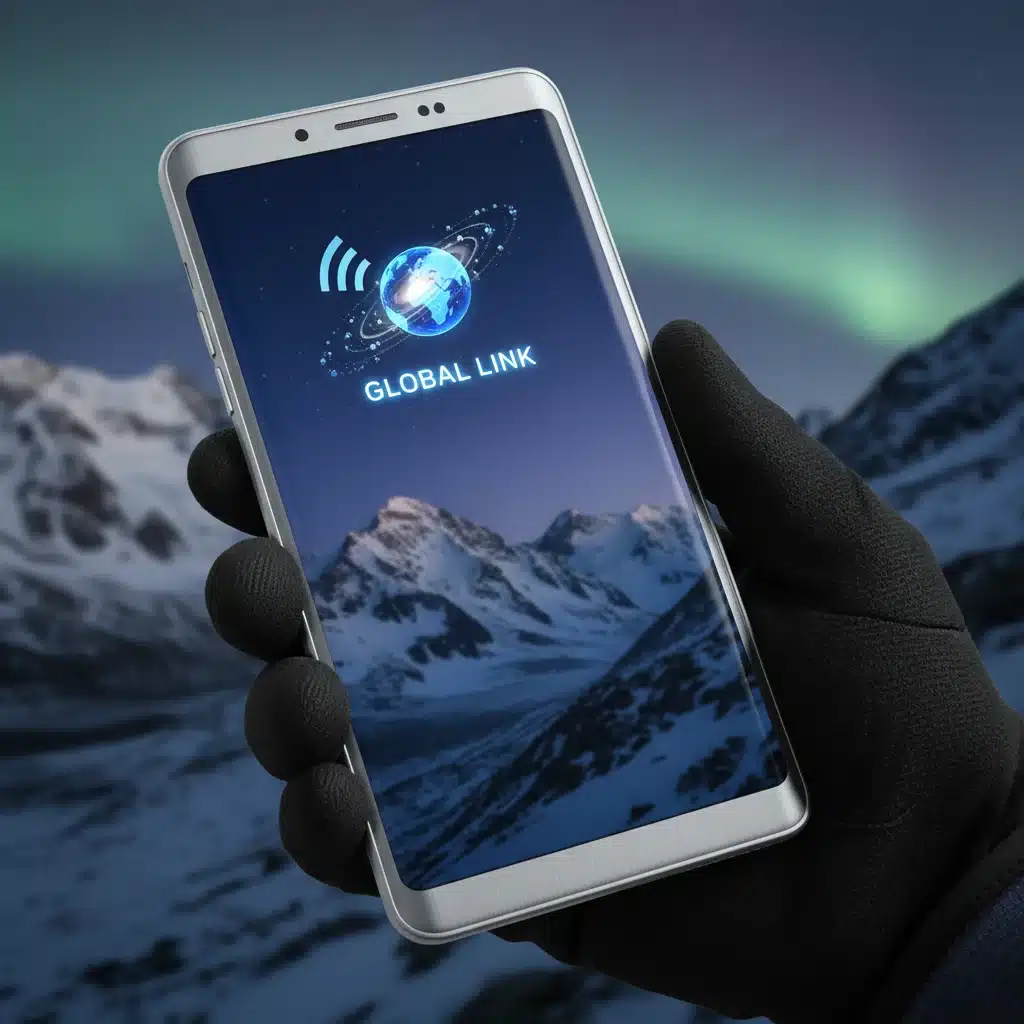
Historically, satellite communication has been the domain of specialized, bulky, and expensive equipment. Think satellite phones used by adventurers or maritime crews. The paradigm shift we are witnessing is the move towards ‘direct-to-device’ (D2D) communication, where standard smartphones can connect directly to satellites without the need for additional hardware or a separate subscription. This is the core innovation driving the satellite smartphone connectivity revolution.
By 2026, we expect to see a significant proliferation of smartphones equipped with chipsets capable of communicating with Low Earth Orbit (LEO) satellite constellations. These LEO satellites, orbiting much closer to Earth than traditional geostationary satellites, offer lower latency and require less power from the end-user device, making direct smartphone integration feasible. Companies like SpaceX (Starlink), AST SpaceMobile, Lynk Global, and others are aggressively deploying these constellations, building the necessary infrastructure in space.
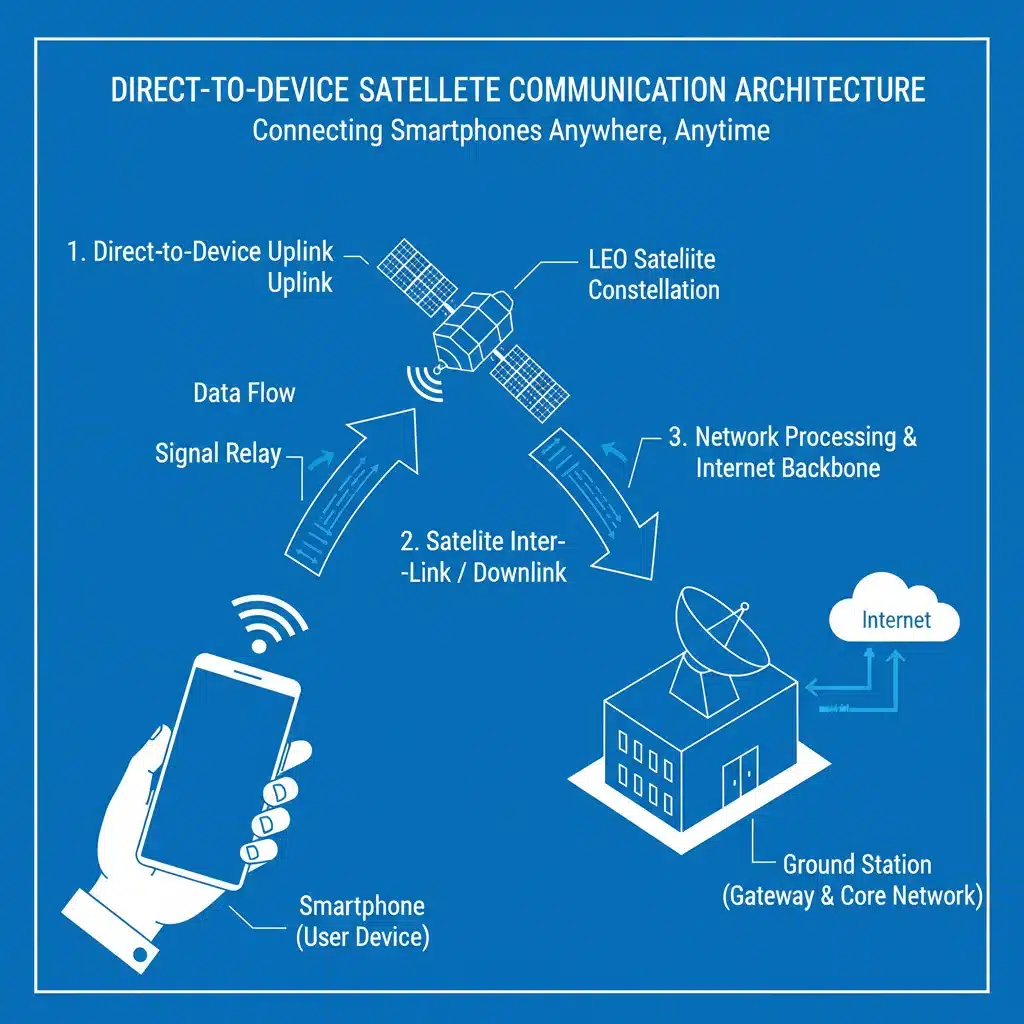
The technology behind D2D satellite communication involves several complex layers. First, the satellites themselves are designed to be powerful enough to receive weak signals from small smartphone antennas and then transmit data back down. Second, smartphone chipsets are being developed or adapted to support the specific frequencies and protocols used by these satellite networks. Third, ground infrastructure, including gateway stations, is essential for routing satellite traffic to and from the terrestrial internet. The synergy of these elements is what will unlock true global mobile access.
The initial deployments of satellite smartphone connectivity have focused primarily on emergency messaging capabilities, as seen with Apple’s Emergency SOS via Satellite feature. While groundbreaking, this is just the tip of the iceberg. By 2026, we anticipate a significant expansion to include voice calls, basic data services, and eventually, broadband-like speeds. This phased rollout allows for the refinement of technology and the scaling of satellite constellations to meet growing demand.
Key Players and Their Strategies for 2026
The race to dominate the satellite smartphone connectivity market is intense, with several key players employing diverse strategies. Understanding these players is crucial to grasping the future landscape of global mobile access.
- Apple: With its Emergency SOS via Satellite, Apple has already demonstrated the viability of D2D satellite communication for critical services. Their partnership with Globalstar showcases a strategic approach to integrate existing satellite infrastructure into consumer devices. While currently limited to emergency messaging, Apple’s move has validated the market and spurred further innovation.
- Google/Android Ecosystem: Google has announced its intention to support satellite connectivity in future Android versions, opening the door for a vast array of Android device manufacturers to integrate the technology. This platform-level support is critical for widespread adoption and will likely involve partnerships with various satellite providers.
- SpaceX (Starlink) & T-Mobile: The collaboration between Starlink and T-Mobile is highly anticipated. Their vision is to provide direct satellite connectivity to ordinary smartphones, starting with text messaging and eventually expanding to voice and data. Leveraging Starlink’s massive LEO constellation, this partnership aims to offer near-ubiquitous coverage, transforming global mobile access.
- AST SpaceMobile: AST SpaceMobile is building what they call the ‘SpaceMobile Network,’ designed to provide broadband cellular connectivity directly to unmodified 5G smartphones. Their large, powerful satellites are specifically engineered to communicate with standard mobile devices, aiming to replicate a terrestrial cellular experience from space.
- Lynk Global: Lynk Global focuses on providing ‘cell towers in space,’ offering direct-to-standard-phone connectivity for text, voice, and narrowband data services. They have already demonstrated successful connections with unmodified phones and are rapidly expanding their constellation.
- Qualcomm & Iridium: Qualcomm, a leading chipmaker, has partnered with Iridium Communications to bring satellite connectivity to premium Android smartphones. This collaboration leverages Iridium’s robust LEO constellation and Qualcomm’s Snapdragon Satellite platform to enable global messaging capabilities.
By 2026, we can expect these collaborations and independent ventures to mature, leading to a competitive market that drives down costs and expands service offerings. The interplay between satellite operators, mobile network operators (MNOs), and smartphone manufacturers will be key to shaping the future of satellite smartphone connectivity.
Bridging the Digital Divide and Enhancing Emergency Services
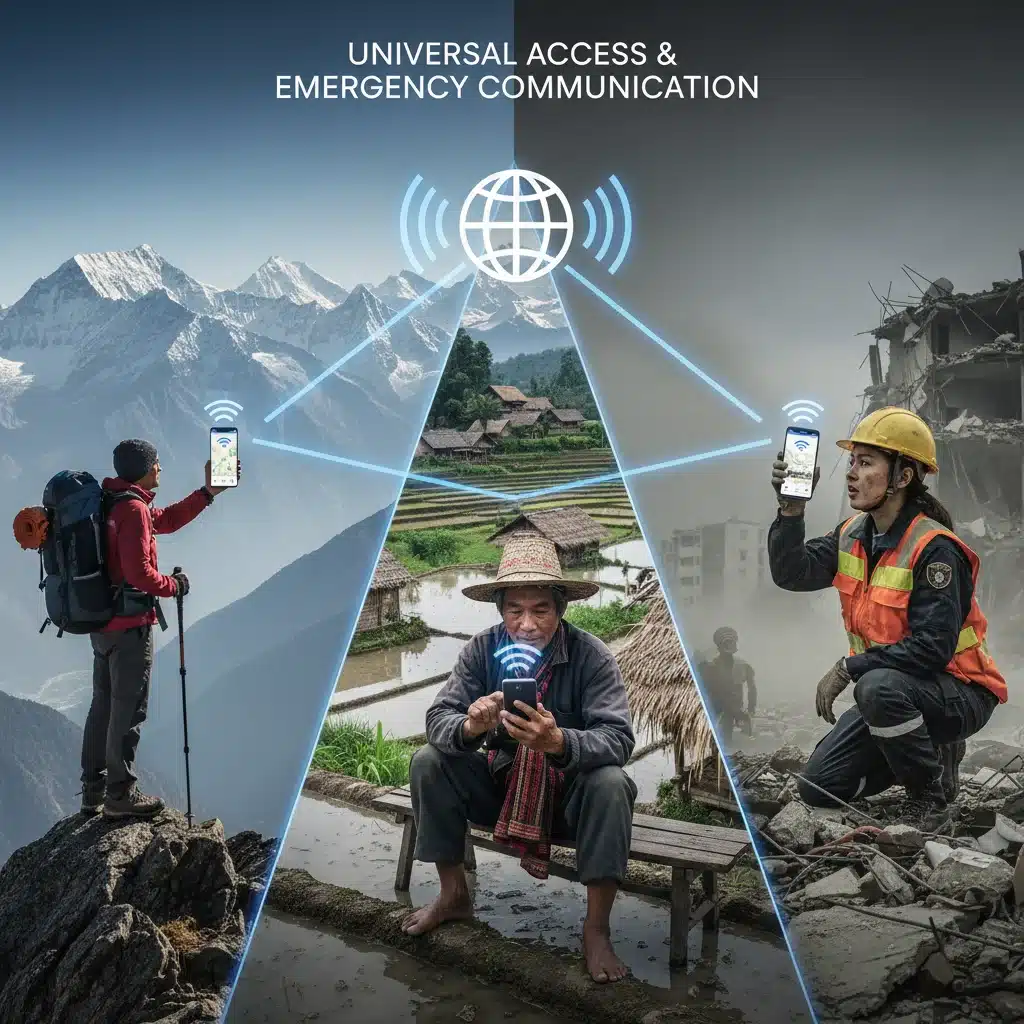
One of the most profound impacts of widespread satellite smartphone connectivity will be its role in bridging the digital divide. Billions of people worldwide still lack reliable internet access, primarily due to the high cost and logistical challenges of deploying traditional infrastructure in rural or remote areas. Satellite technology bypasses these limitations by providing coverage from above, making it economically viable to connect previously underserved populations.
For individuals in remote communities, this means access to education, healthcare information, economic opportunities, and vital communication channels that were once out of reach. For businesses, it opens up new markets and allows for more efficient operations in areas without terrestrial coverage. The ability to communicate globally, regardless of location, will foster greater equality and accelerate development in developing regions.
Beyond everyday communication, satellite smartphone connectivity is a game-changer for emergency services and disaster relief. When natural disasters strike – earthquakes, hurricanes, floods, or wildfires – terrestrial cellular networks are often the first to fail, leaving affected populations isolated. Satellite links, being independent of ground infrastructure, remain operational, providing a crucial lifeline.
This capability allows individuals to call for help, share their location, and receive critical updates, while also enabling first responders to coordinate efforts and communicate effectively. The difference between life and death can often hinge on timely communication, and satellite-enabled smartphones will significantly enhance resilience in the face of crises. By 2026, we anticipate that emergency satellite features will be a standard offering in many new smartphone models, greatly improving public safety worldwide.
Technical Challenges and Solutions for Mass Adoption
While the promise of satellite smartphone connectivity is immense, several technical challenges must be overcome for widespread, high-quality mass adoption by 2026. These include:
Antenna and Power Constraints
Smartphones are designed to be compact and energy-efficient. Their small, omnidirectional antennas are optimized for terrestrial cellular signals. Communicating with satellites, even LEO ones, requires more power and often a more directional antenna. Solutions involve:
- Advanced Chipsets: Developing highly efficient chipsets that can process satellite signals with minimal power consumption.
- Innovative Antenna Design: Integrating phased-array antennas or other novel designs into slim smartphone form factors to improve signal acquisition and transmission without increasing device size.
- Software Optimization: Intelligent software that manages power usage and optimizes signal acquisition, potentially guiding users to point their phones in the correct direction.
Bandwidth and Latency
Initially, satellite connectivity will offer lower bandwidth and higher latency compared to 5G terrestrial networks. This is acceptable for emergency messaging but needs improvement for broader data services. Solutions include:
- Larger Satellite Constellations: Deploying thousands of LEO satellites to increase network capacity and reduce latency by ensuring more satellites are always in view.
- Inter-Satellite Links: Satellites communicating directly with each other (laser links) to reduce reliance on ground stations and improve data routing efficiency.
- Advanced Modulation Techniques: Using sophisticated signal processing to maximize data throughput over limited bandwidth.
Regulatory and Spectrum Issues
Operating satellite services that interact with terrestrial networks involves complex regulatory frameworks and spectrum allocation challenges. Different countries have different rules regarding satellite communication. Solutions involve:
- International Collaboration: Working with regulatory bodies like the ITU (International Telecommunication Union) to harmonize spectrum usage and establish common standards.
- Partnerships with MNOs: Satellite providers partnering with existing mobile network operators to leverage their licensed spectrum and navigate local regulations.
Cost and Affordability
While the cost of satellite launches is decreasing, building and maintaining these constellations is still a multi-billion-dollar endeavor. Making the service affordable for everyday consumers, especially in developing regions, is paramount. Solutions include:
- Economies of Scale: As more satellites are launched and more users subscribe, the cost per user is expected to decrease.
- Tiered Service Models: Offering basic, free emergency services alongside paid tiers for voice and data.
- Government Subsidies: Potential government involvement to subsidize services in underserved areas as part of digital inclusion initiatives.
By 2026, significant progress is expected in addressing these challenges, paving the way for a more seamless and integrated satellite smartphone connectivity experience.
Impact on Industries and Daily Life
The widespread adoption of satellite smartphone connectivity will have far-reaching implications across various industries and for daily life:
Agriculture and Remote Monitoring
Farmers in remote areas can use satellite-connected smartphones for precision agriculture, monitoring crop health, livestock, and equipment in real-time, leading to increased efficiency and yields. Remote sensors can transmit data directly to a farmer’s phone, even in fields far from cellular towers.
Logistics and Transportation
Trucking companies, shipping lines, and airlines can benefit from continuous tracking and communication with their fleets, even in areas without terrestrial coverage. This improves safety, operational efficiency, and supply chain management.
Outdoor Recreation and Adventure
Hikers, campers, sailors, and other outdoor enthusiasts will gain a vital layer of safety. The ability to communicate from virtually anywhere eliminates many risks associated with venturing into remote areas, making outdoor activities safer and more accessible.
Energy and Utilities
Monitoring remote infrastructure like oil pipelines, power grids, and renewable energy installations becomes more efficient and reliable. Technicians can communicate and transmit data from challenging locations, improving maintenance and response times.
Global Tourism
Tourists exploring off-the-beaten-path destinations will no longer have to worry about being cut off from communication. This could open up new tourism opportunities in previously inaccessible regions, while also providing peace of mind for travelers.
In daily life, the most immediate impact will be the elimination of ‘dead zones’ – those frustrating areas where cellular service disappears. Whether traveling through rural landscapes, on a cruise ship, or in an area affected by a local outage, satellite smartphone connectivity will provide a reliable backup, if not primary, communication channel. This enhanced reliability will fundamentally change our expectations of what ‘connected’ means.
The Future Beyond 2026: What’s Next?
While 2026 marks a significant milestone for satellite smartphone connectivity, it is by no means the final destination. The technology will continue to evolve rapidly. Beyond basic voice and data, we can anticipate:
- Higher Bandwidth and Lower Latency: As LEO constellations grow denser and technology improves, satellite internet speeds will increasingly rival terrestrial broadband, making seamless streaming and more data-intensive applications possible.
- Integrated AI and Edge Computing: Satellites themselves could host AI capabilities and edge computing resources, allowing for faster processing of data closer to the source, especially in remote areas.
- IoT and M2M Expansion: The ability to connect billions of IoT devices directly to satellites will enable unprecedented levels of global monitoring and control for everything from environmental sensors to autonomous vehicles.
- Enhanced Navigation and Positioning: While GPS is satellite-based, integrating communication satellites could offer even more precise positioning, especially in challenging environments.
- Dynamic Spectrum Sharing: More sophisticated methods of sharing spectrum between satellite and terrestrial networks will optimize resource utilization and prevent interference.
The long-term vision is a hybrid network where devices intelligently switch between terrestrial cellular, Wi-Fi, and satellite connections based on availability, cost, and performance, providing an always-on, ubiquitous connectivity experience. This will require deep integration between different network types and sophisticated software management within devices.
The regulatory environment will also need to adapt to these rapidly changing technologies. International cooperation will be paramount to ensure that the benefits of global satellite smartphone connectivity are accessible to all, without creating new digital divides or regulatory bottlenecks.
Furthermore, the environmental impact of launching thousands of satellites and managing space debris will become an increasingly important consideration. Sustainable practices and responsible space stewardship will be critical for the long-term viability of these constellations.
Conclusion: A Connected World Within Reach
The journey towards universal global mobile access is accelerating, with satellite smartphone connectivity emerging as a pivotal technology. By 2026, we will undoubtedly witness a significant transformation in how we perceive and utilize our smartphones. From enhancing emergency response to empowering remote communities and enabling new industrial applications, the integration of satellites directly into our pockets promises a future where communication truly knows no bounds.
While technical and regulatory challenges remain, the rapid pace of innovation and the strategic investments by major tech and aerospace companies indicate a clear trajectory towards a more connected world. The era of dead zones is slowly but surely coming to an end, paving the way for a future where a signal is always within reach, wherever you are on Earth. This isn’t just an incremental upgrade; it’s a fundamental shift that will redefine global communication for generations to come, making the world a safer, more equitable, and more interconnected place.